“I said no fucking noise, this is supposed to be fucking fun!”
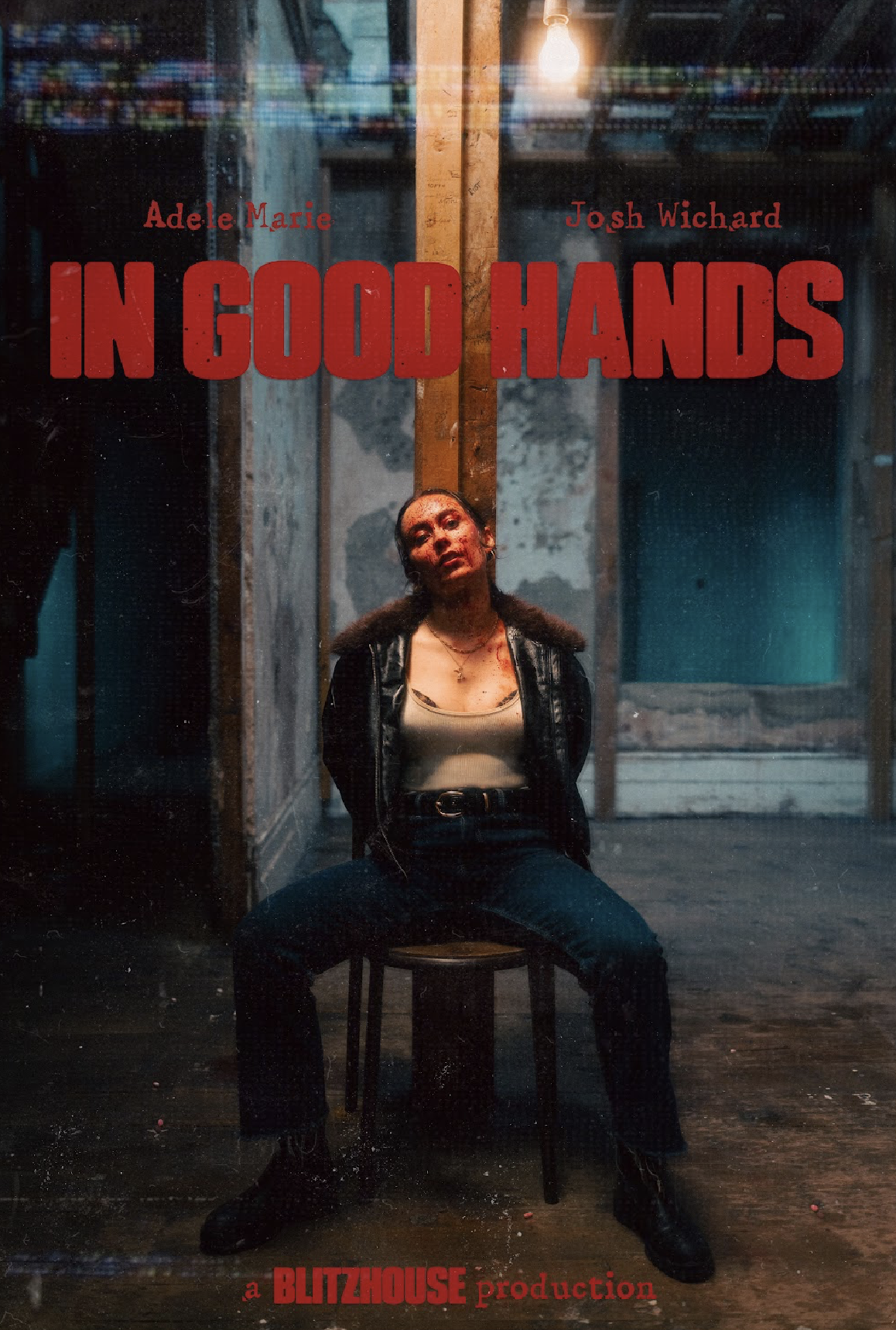
A punchy comedy thriller centred around Keeley; a troubled and fiery young woman who takes matters into her own hands when tragedy strikes her family.
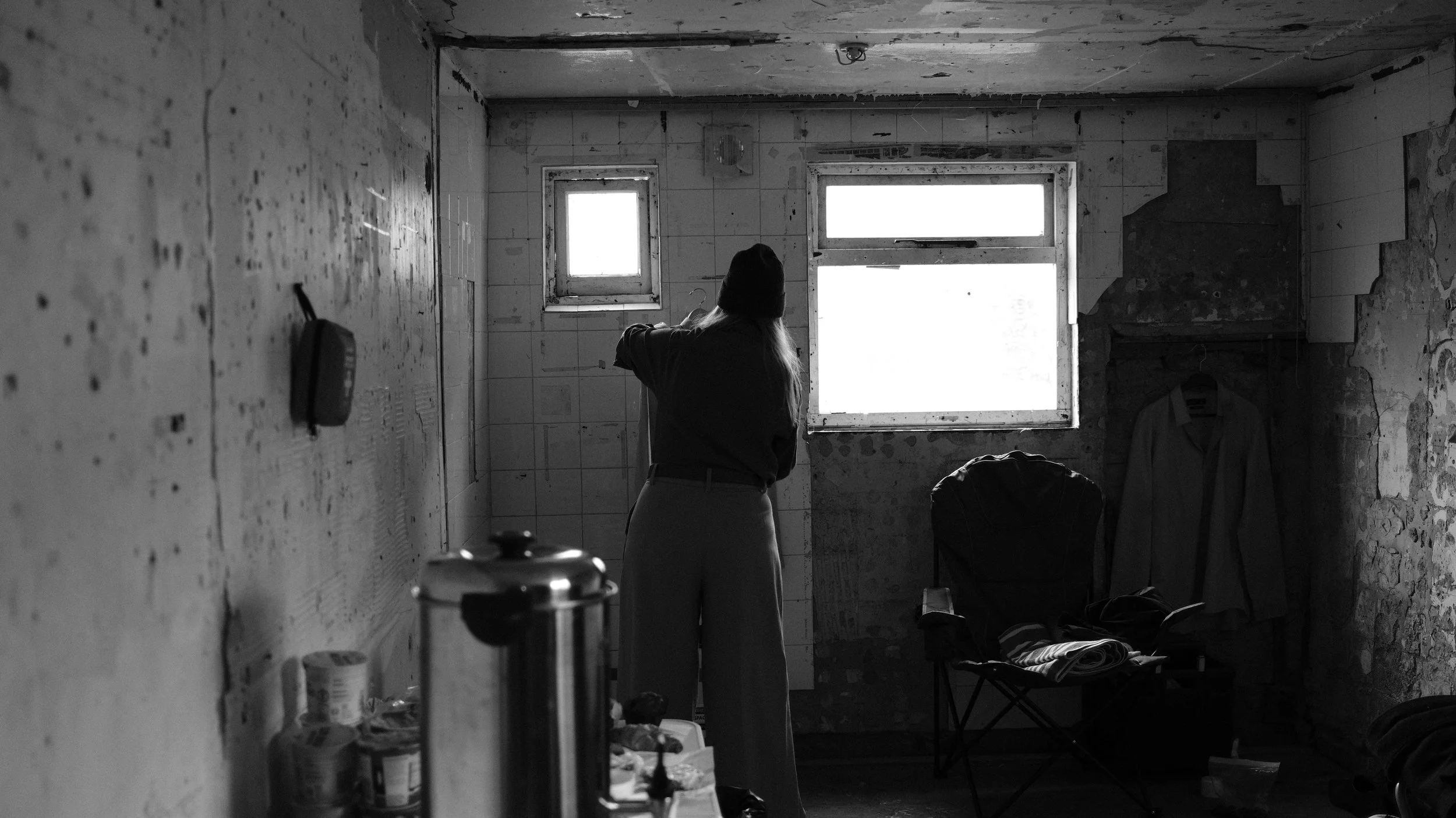
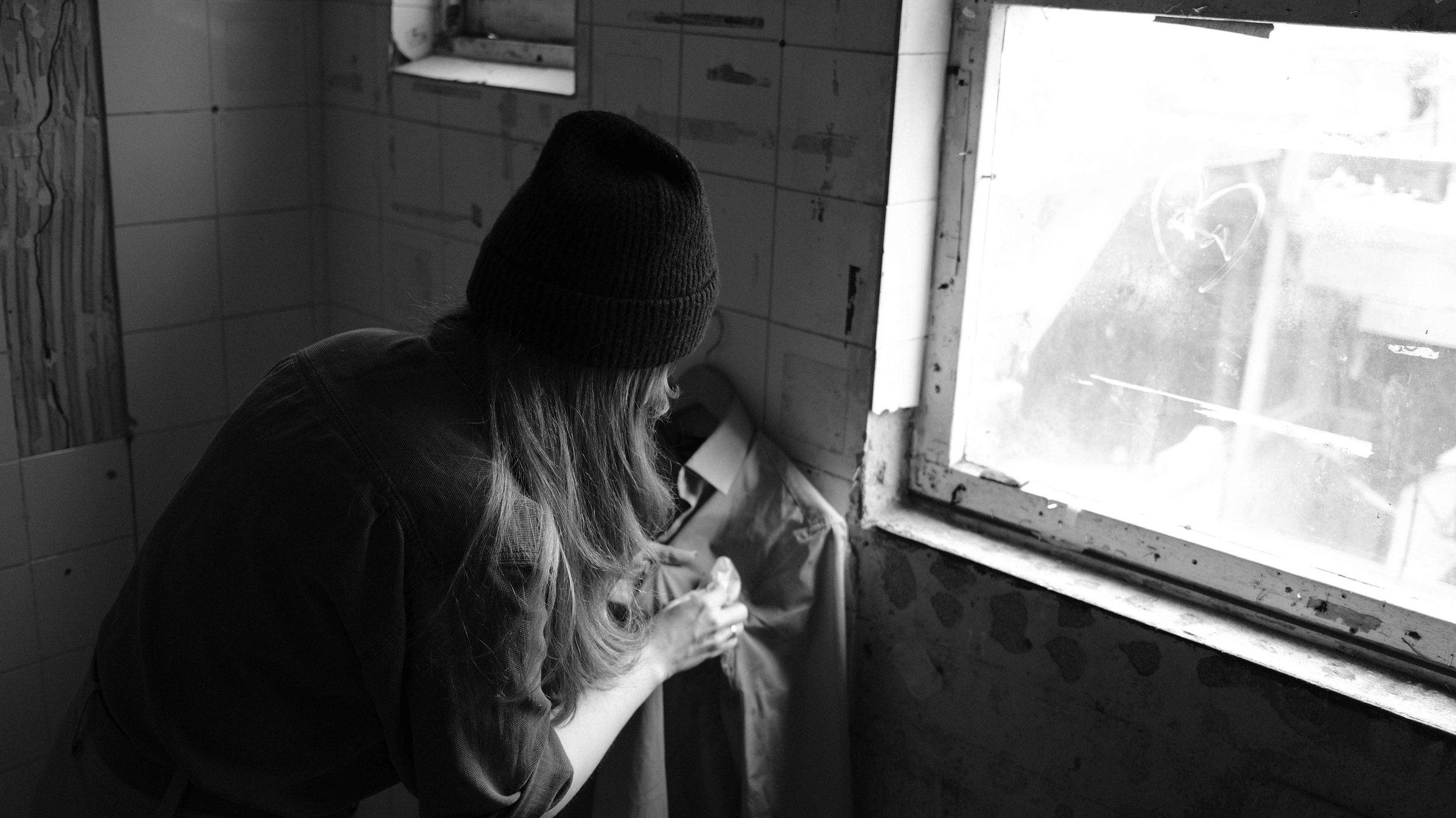
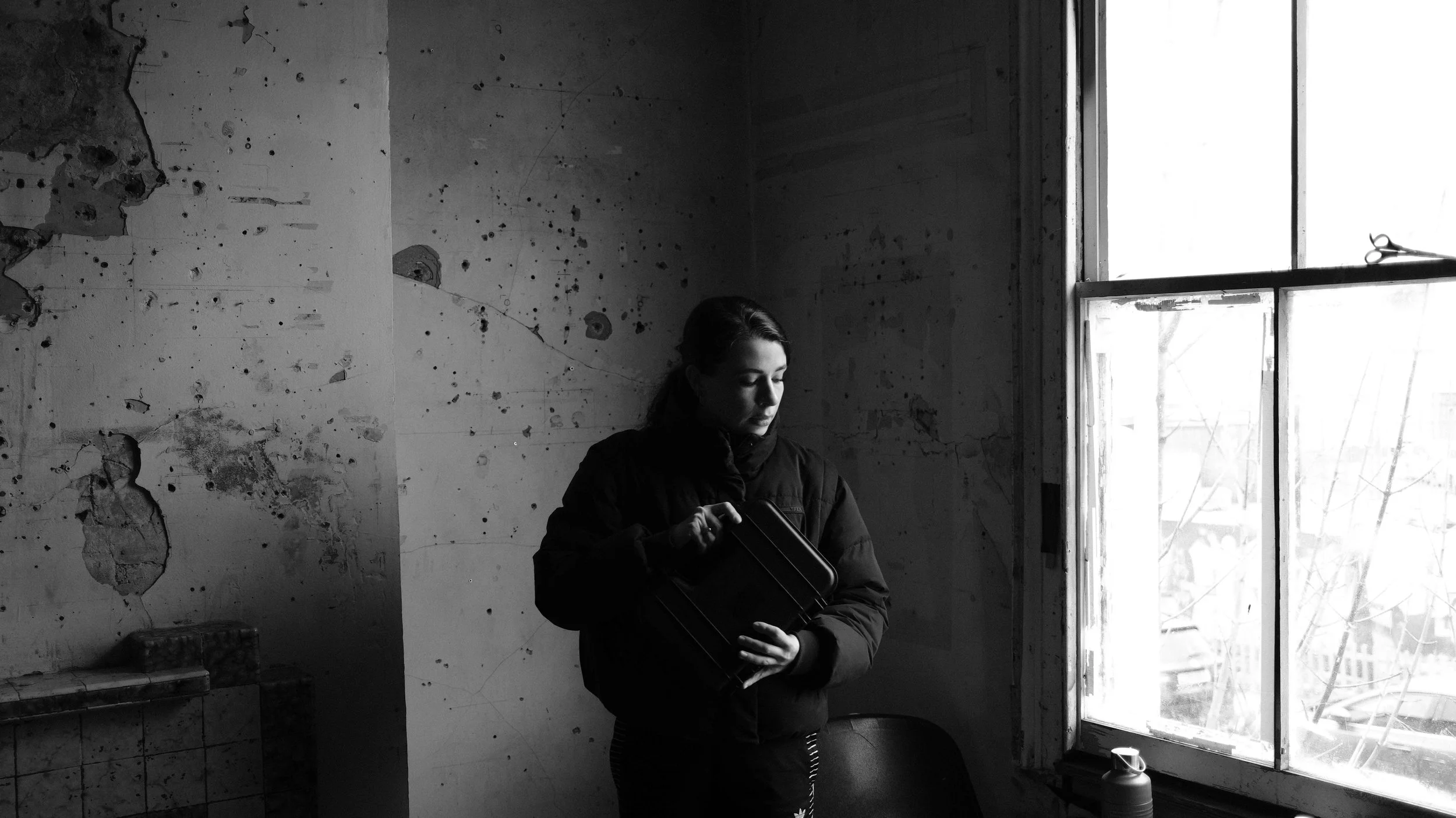
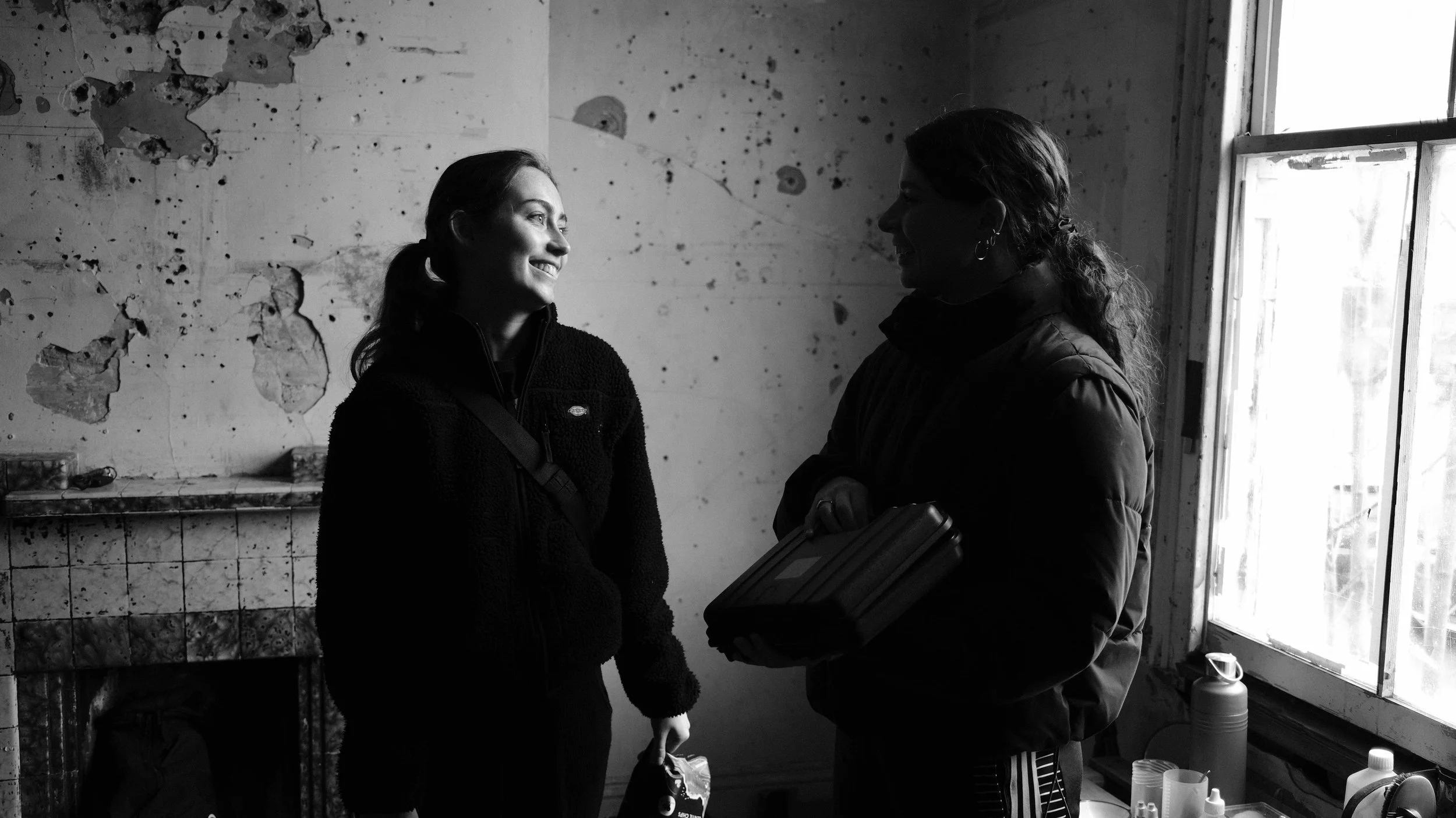
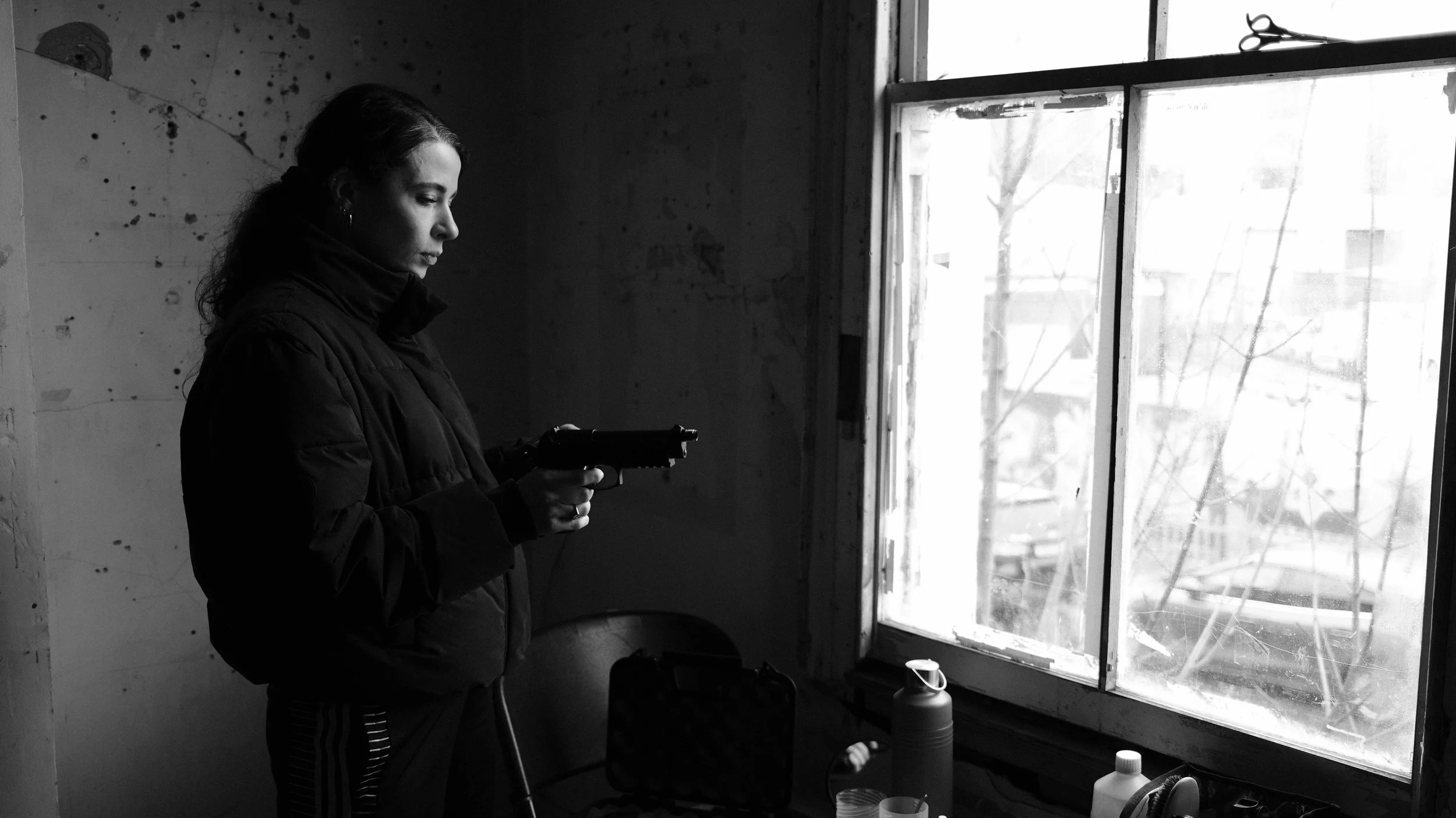
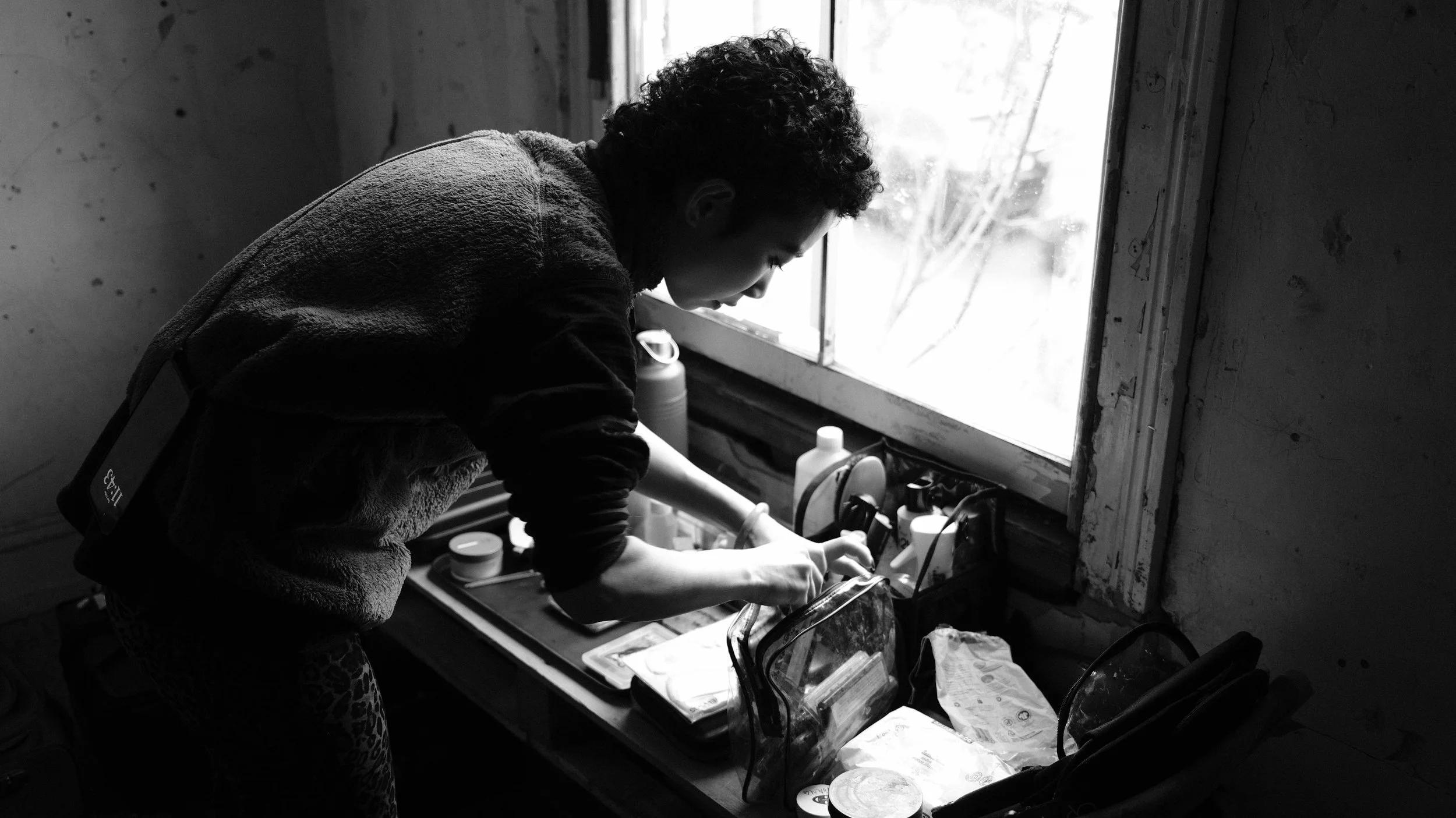
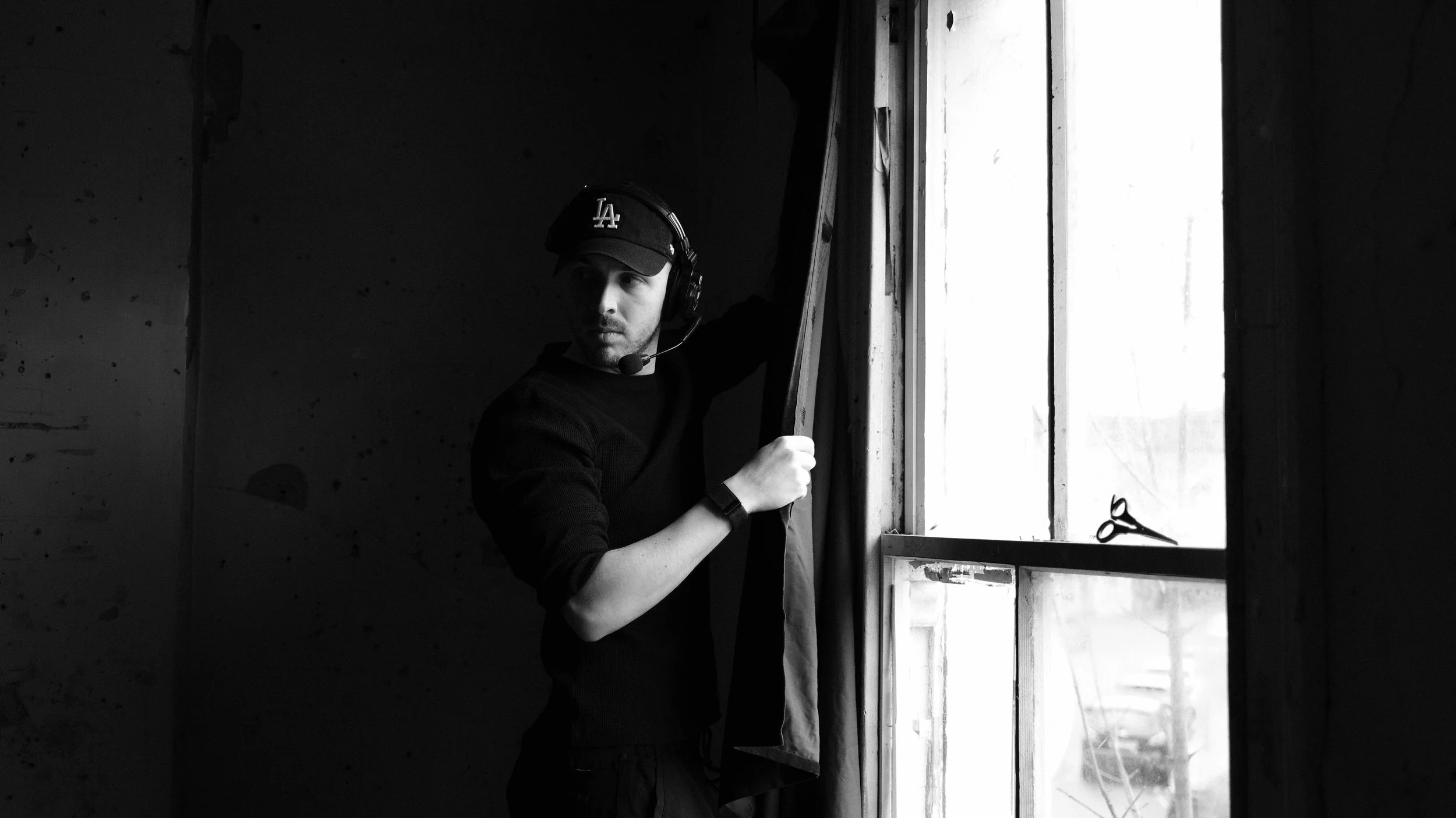
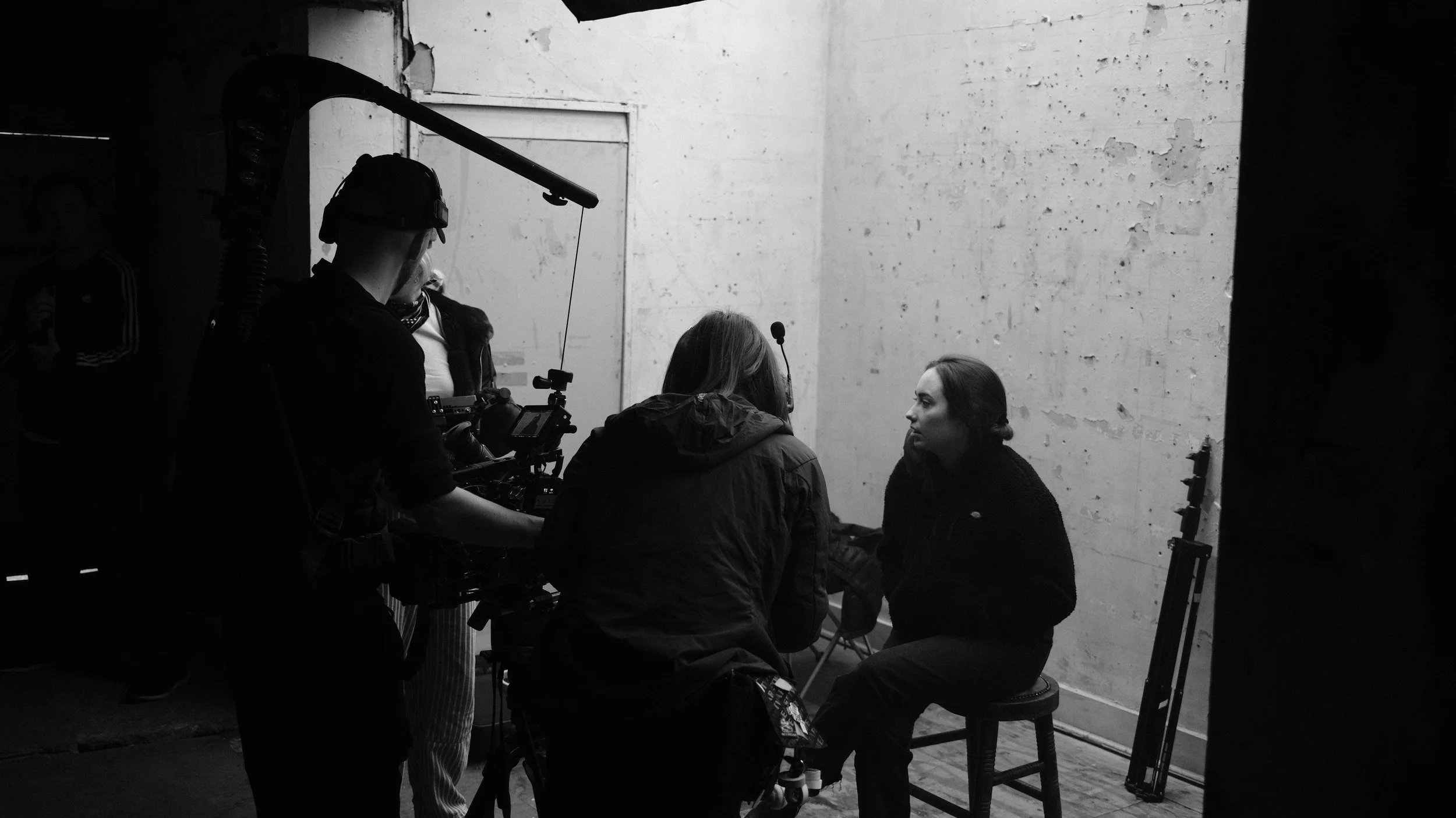
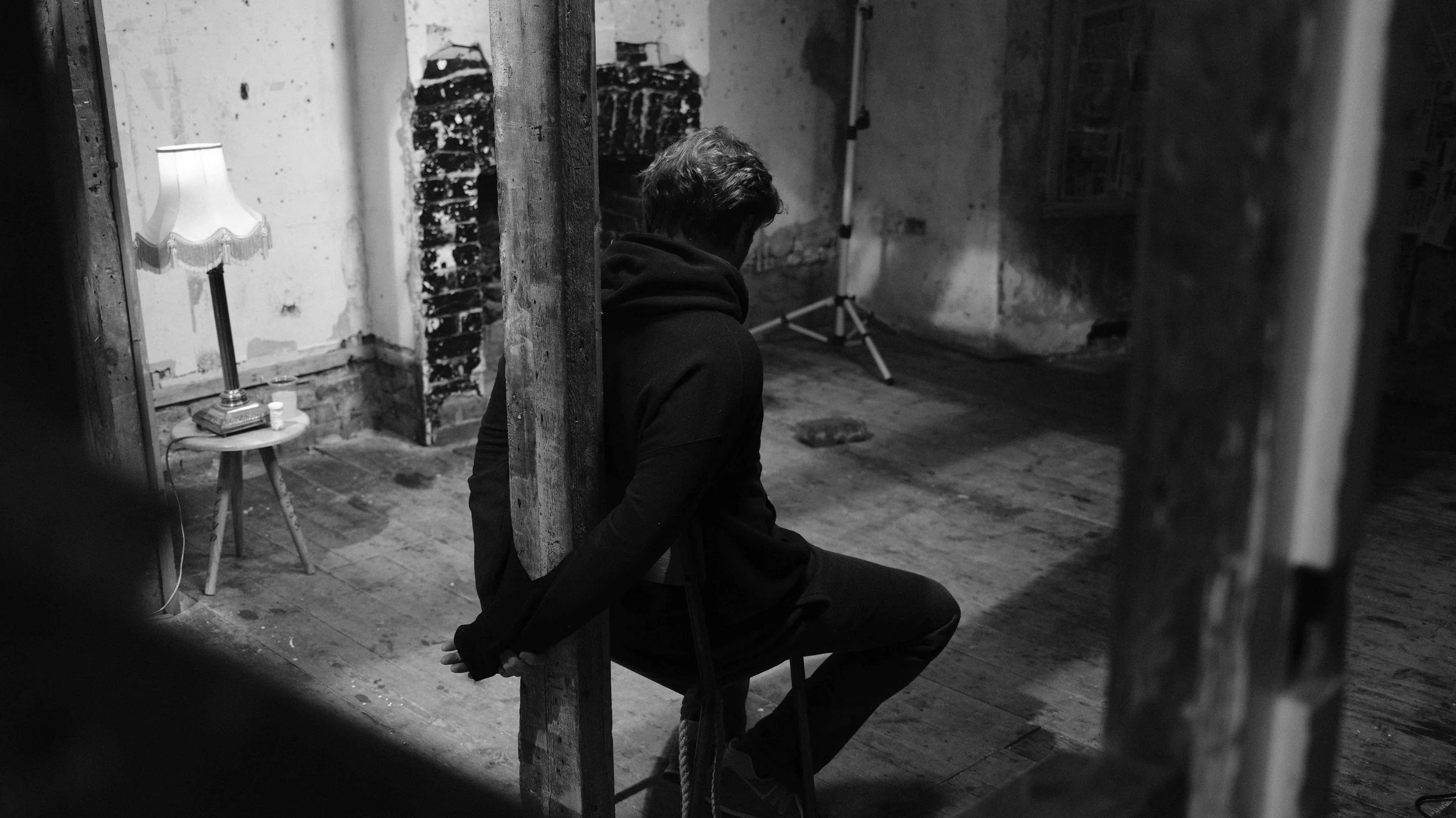
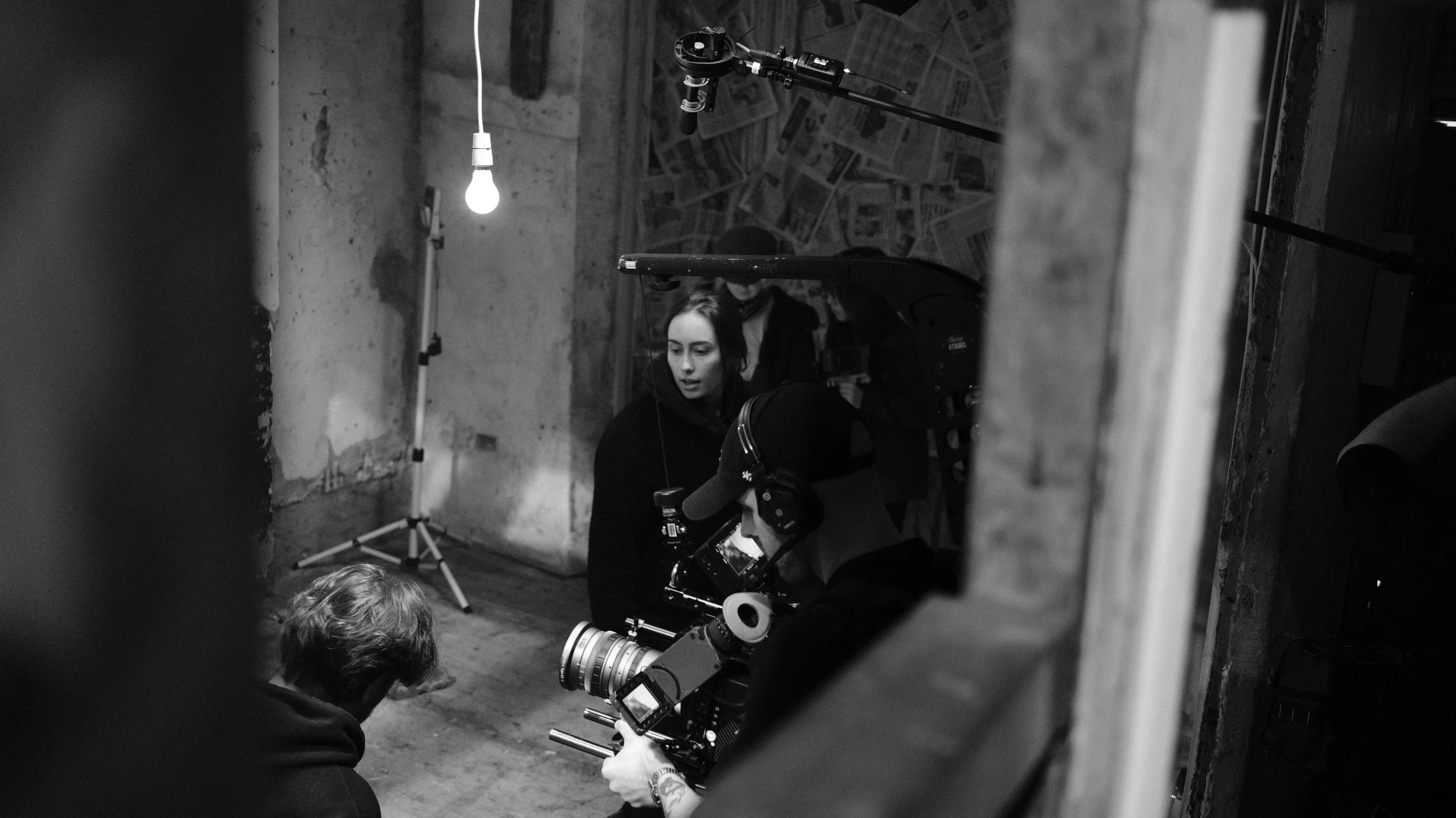
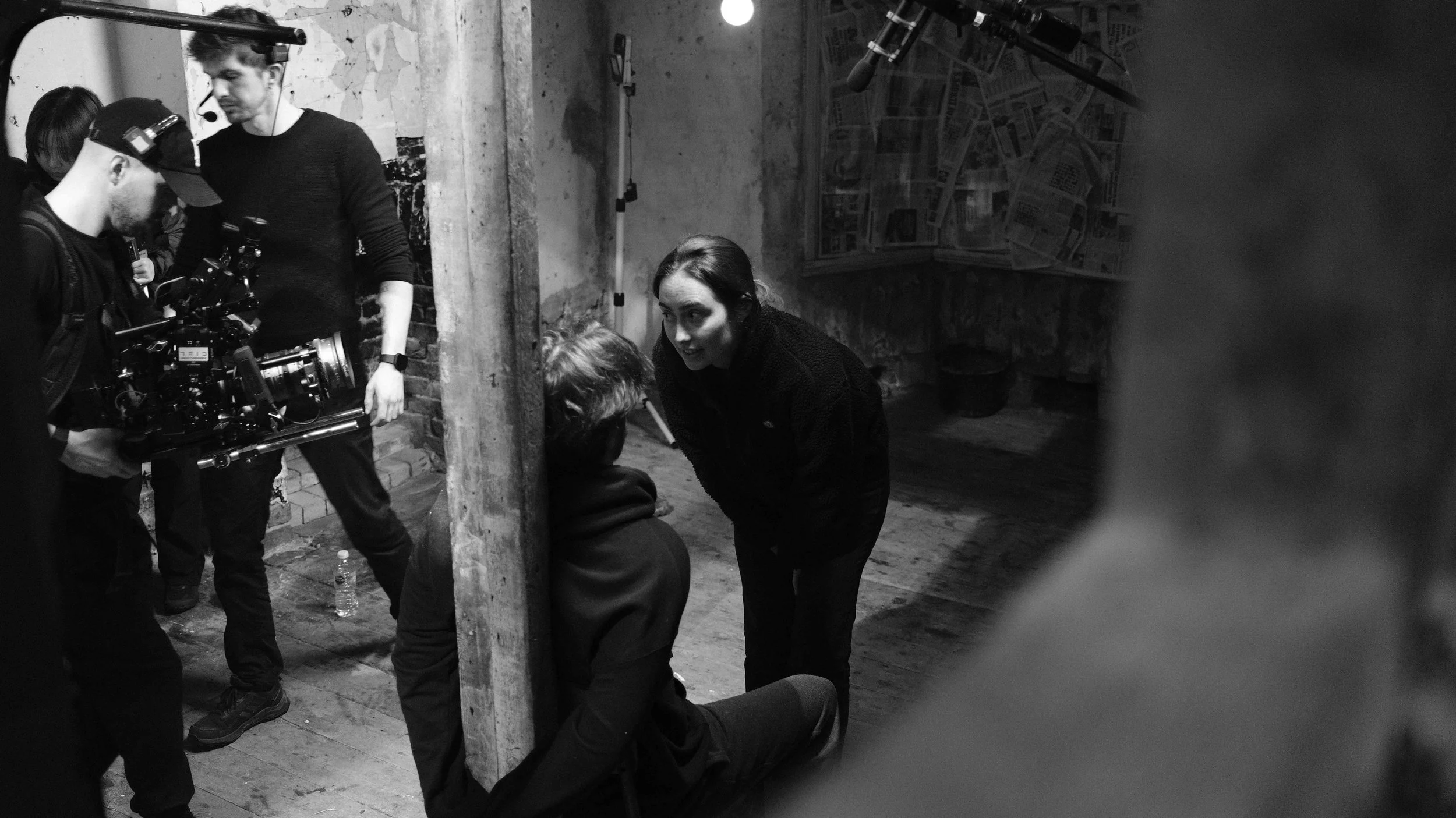
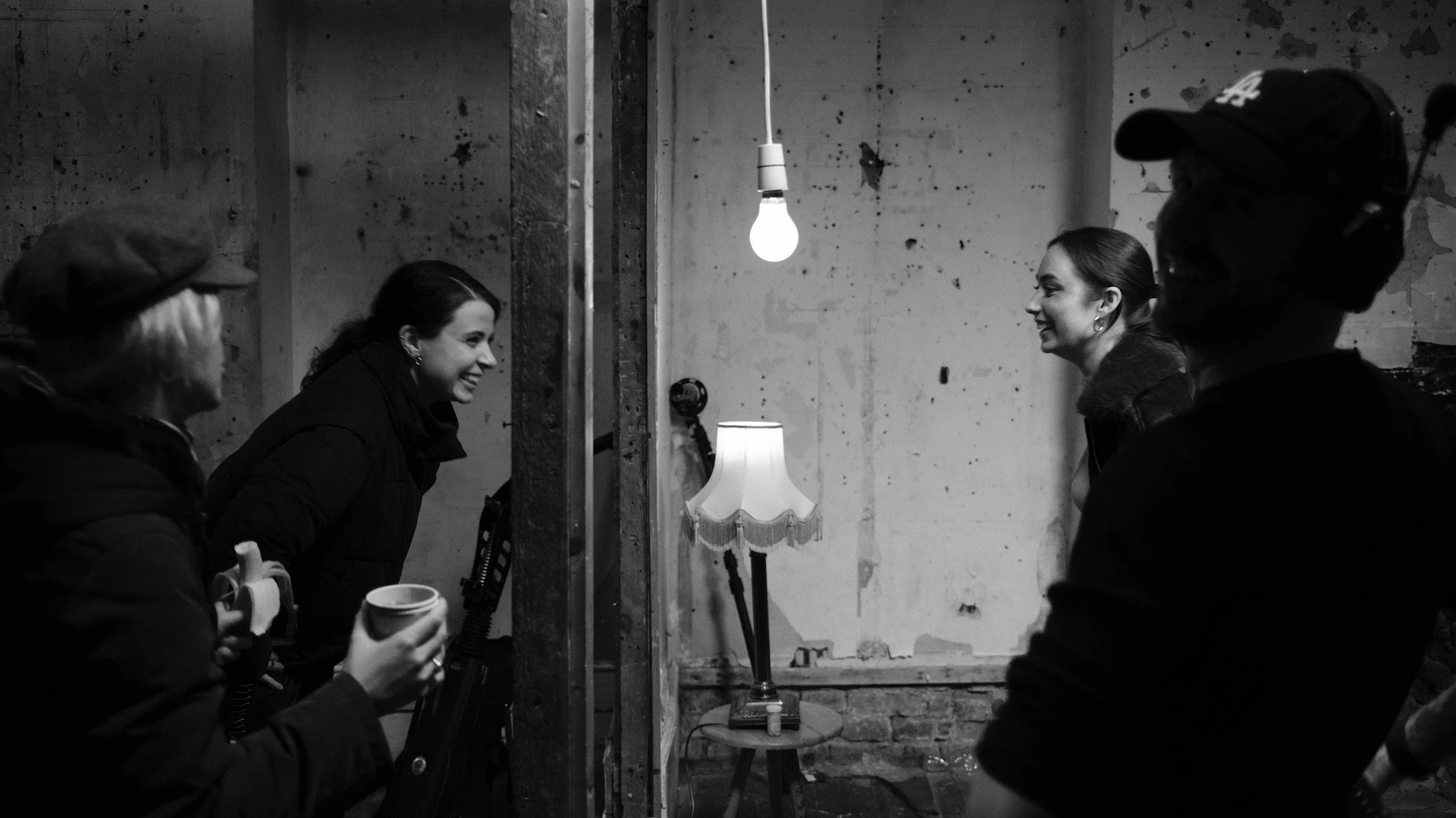
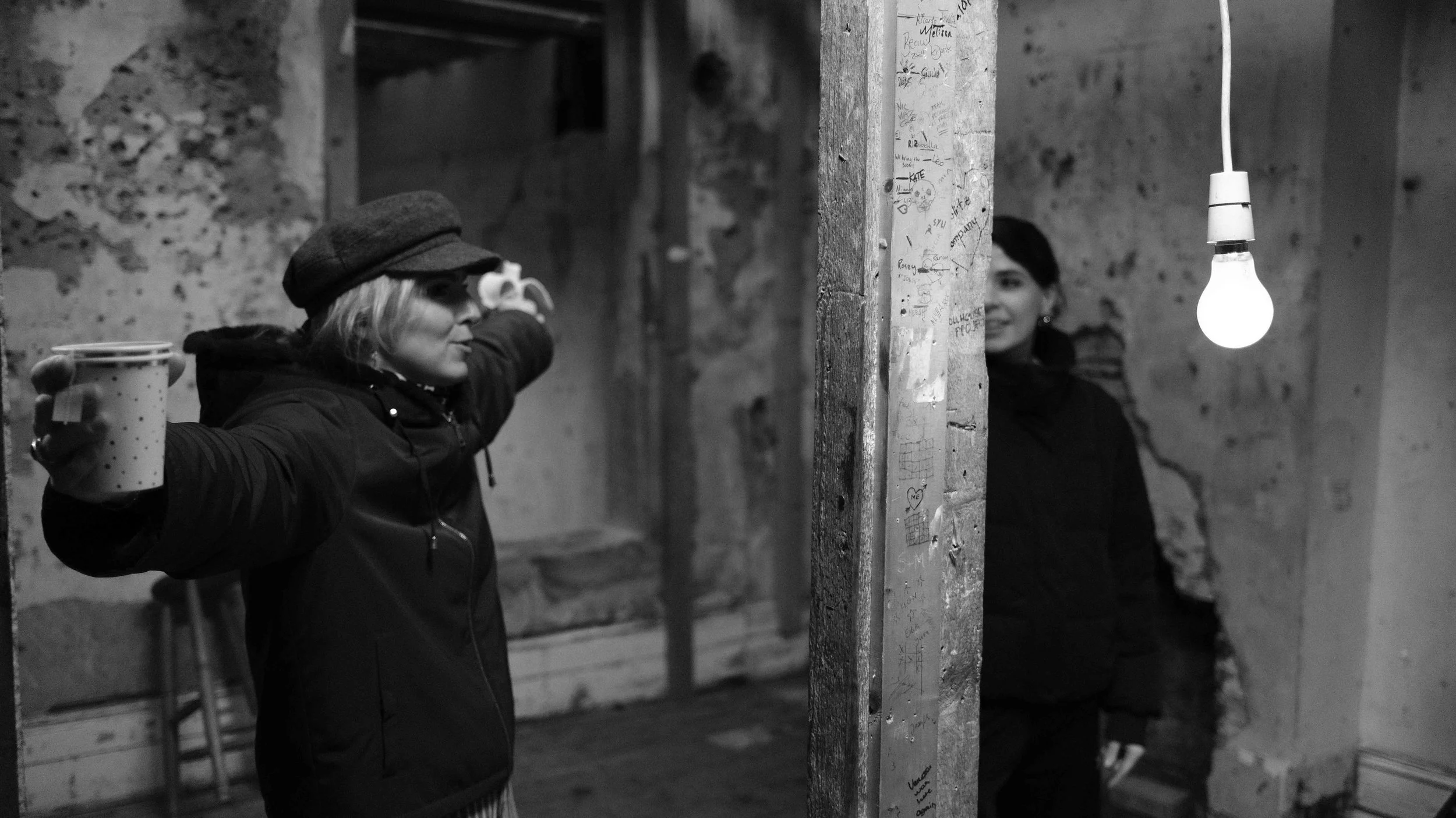
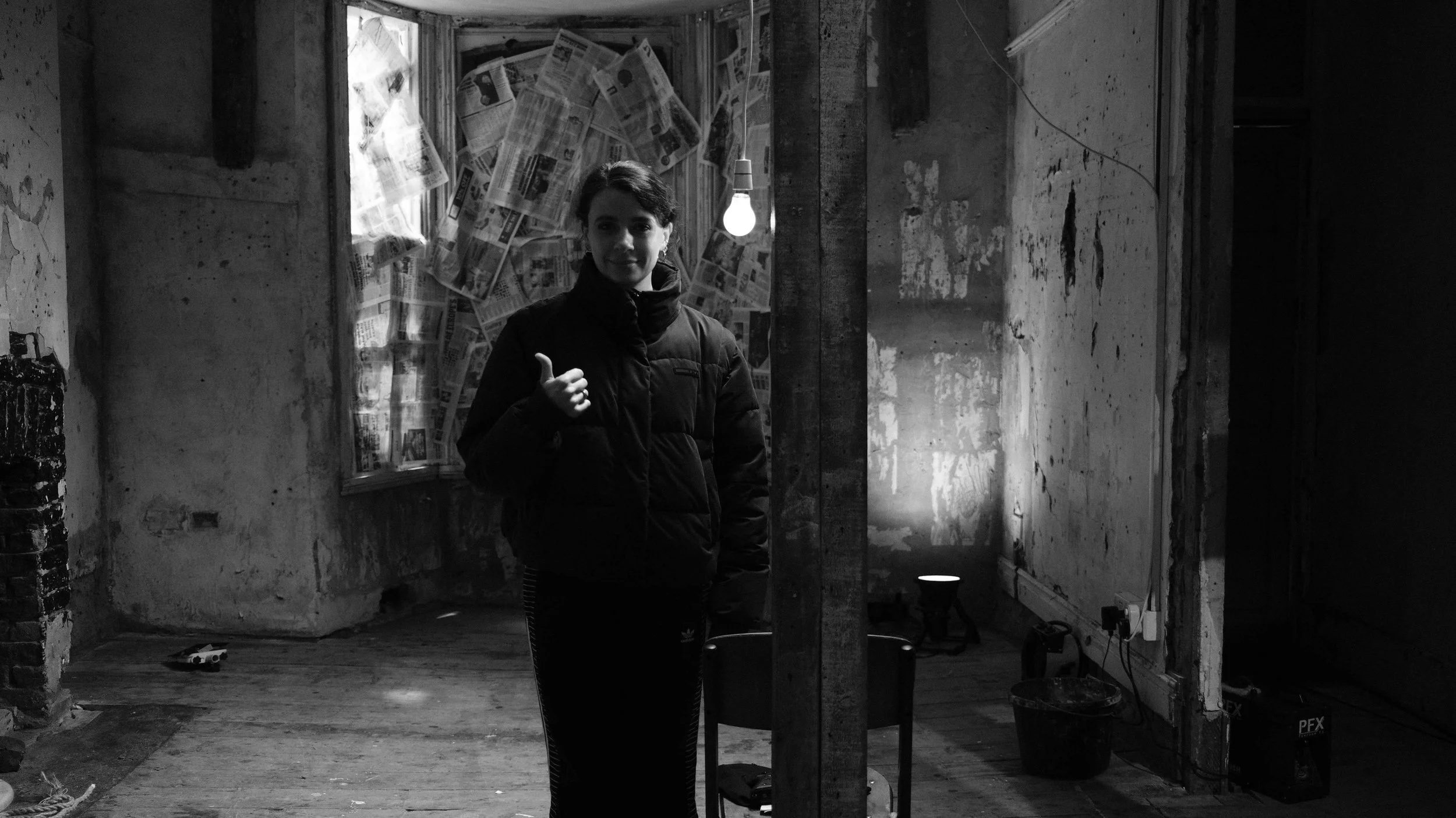
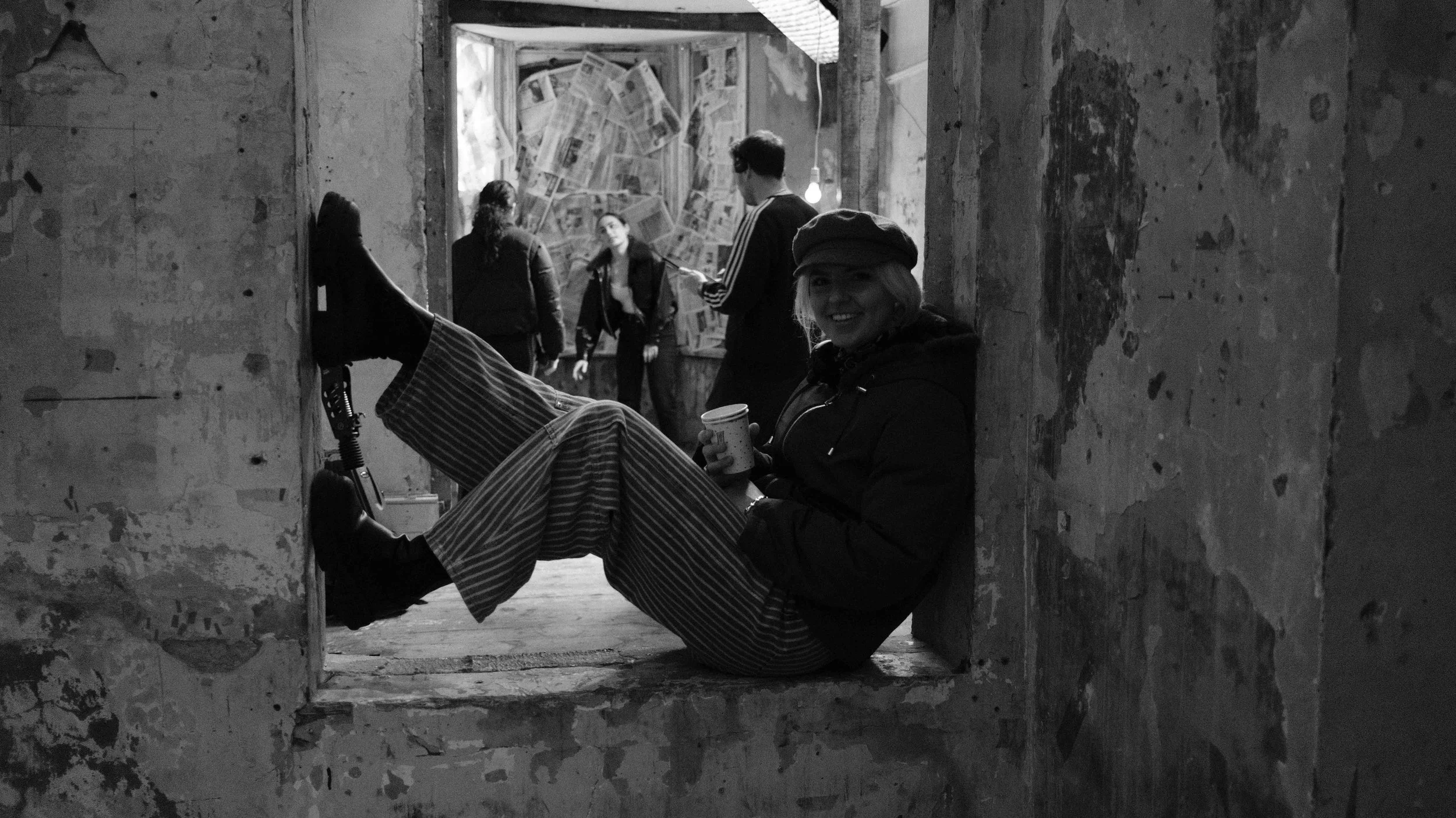
Q&A
Where did the original idea for the film come from and what was its core message?
The idea was sparked after we watched Adolescence. We were really drawn to the immediacy and intimacy of the one-take format, something we had never seen before, and which still feels quite rare in mainstream tv and film. It pushed us to create something that felt immersive, unfiltered and visceral. At its core, we wanted to challenge stereotypes and take the audience on a journey full of unexpected turns. The continuous take keeps you locked into the moment, so you experience everything alongside the characters, right through to the very end.What creative inspirations did you draw upon for the style of the film?
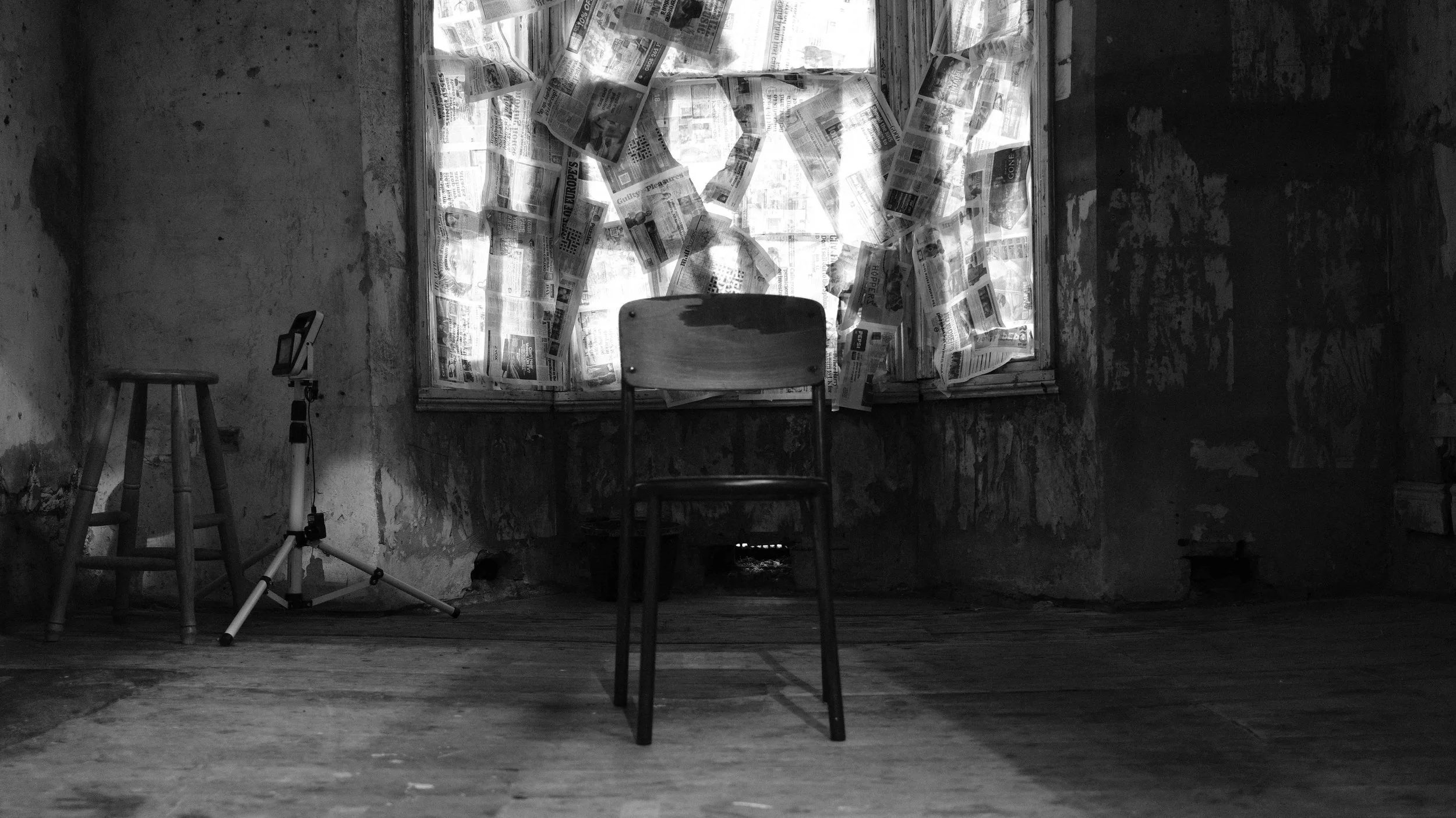
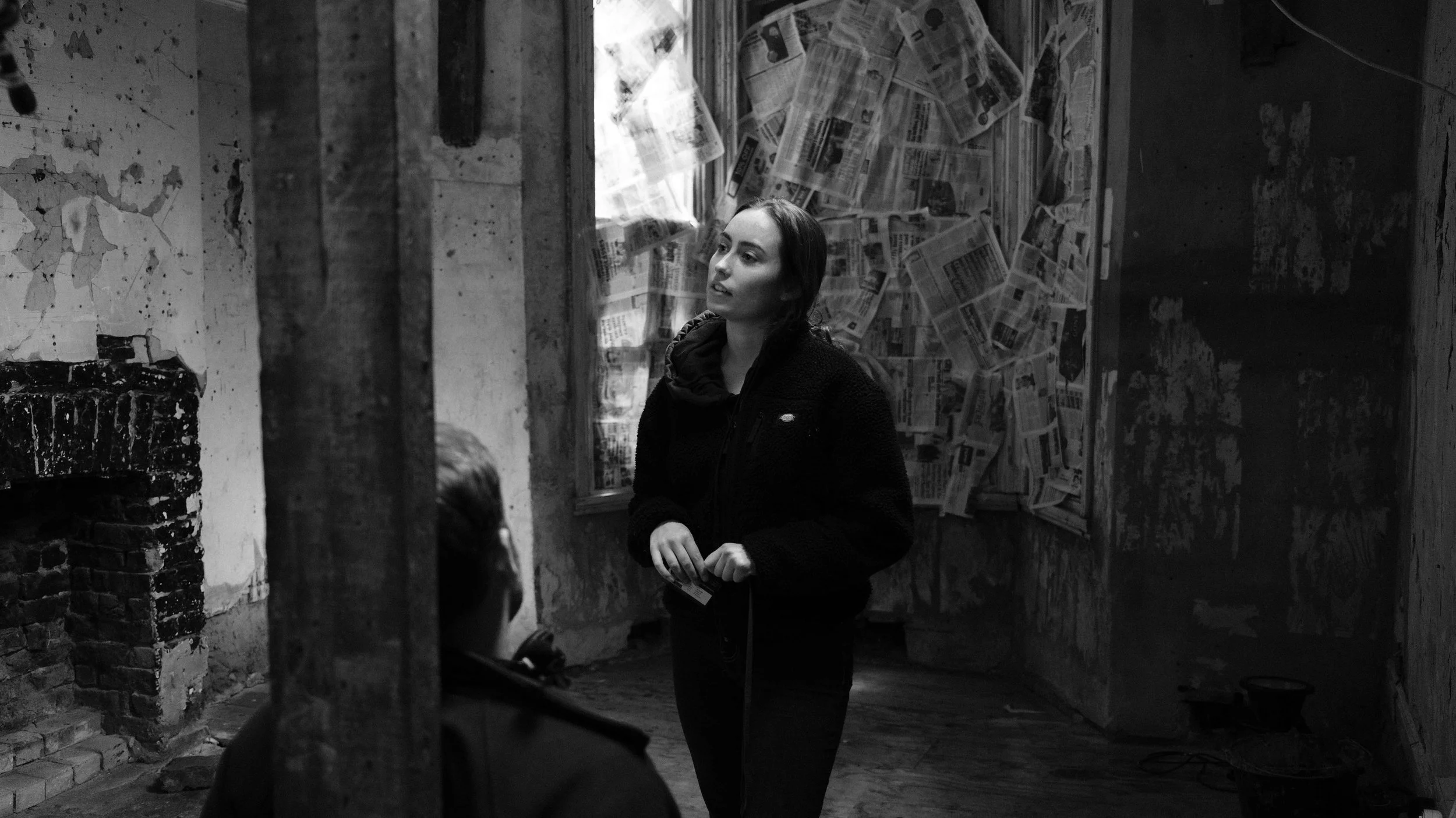
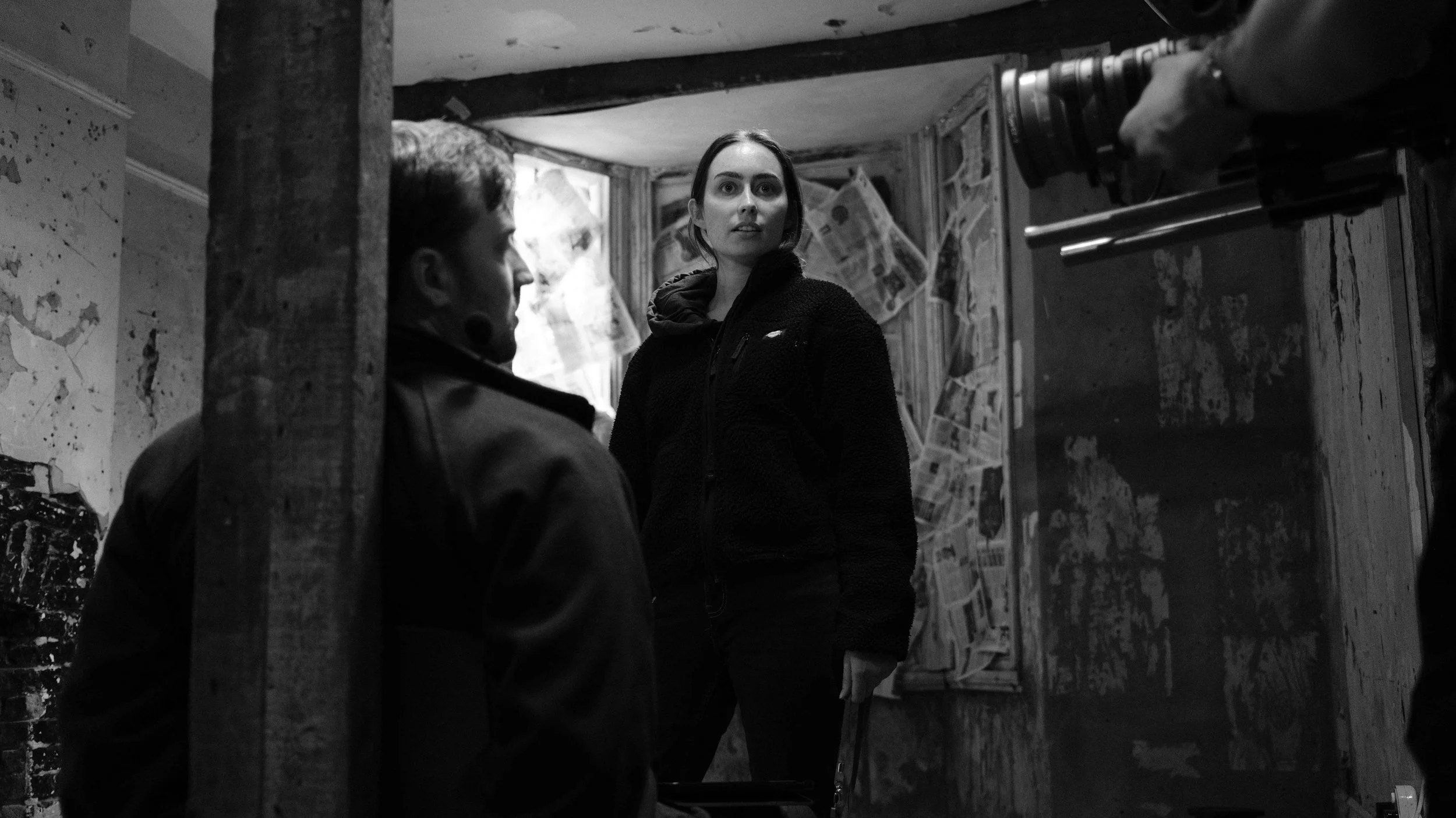
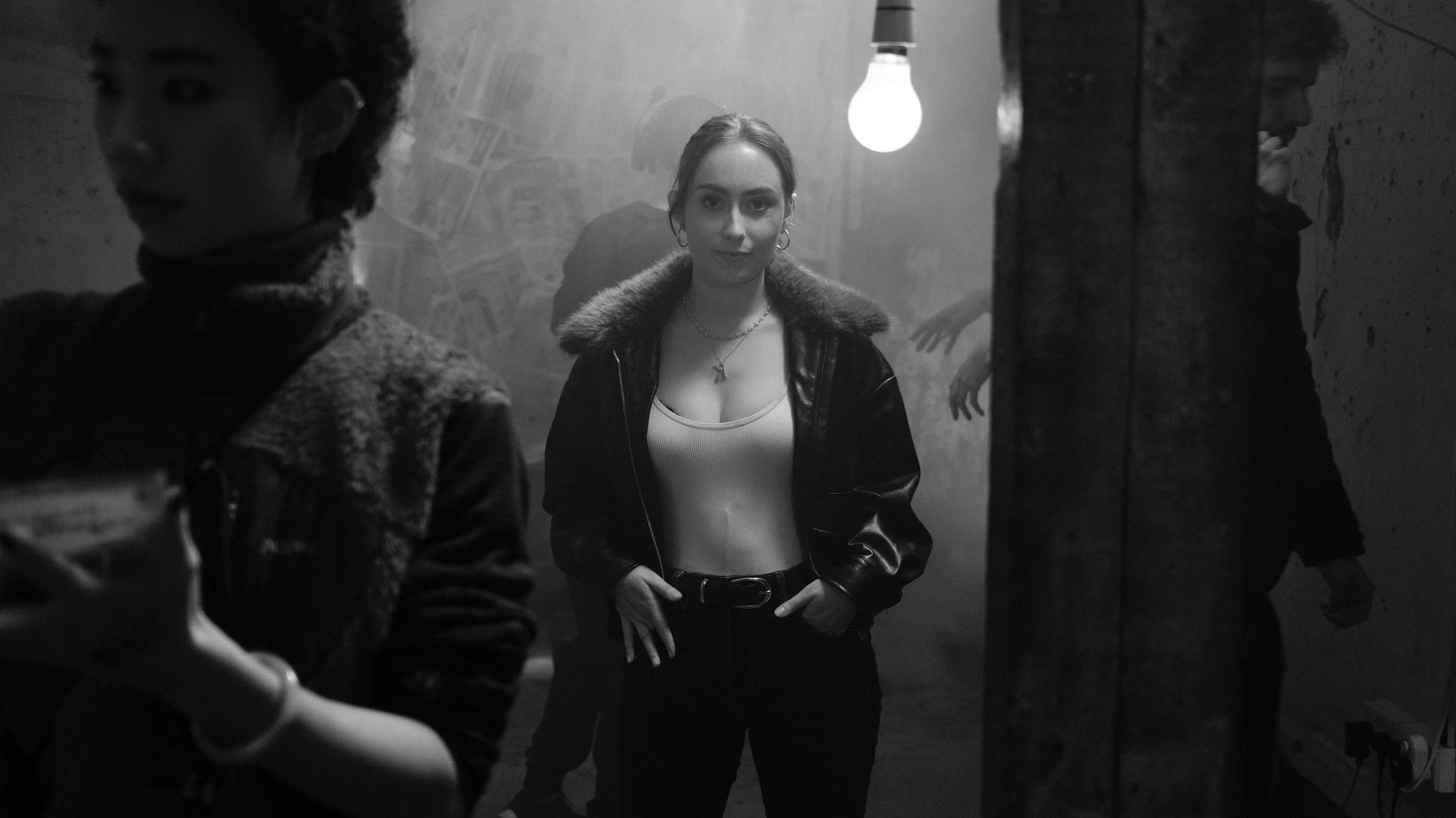
We all love Guy Ritchie’s work- his sharp, character-driven storytelling with straight comedy woven in. Look-wise, the moodiness and dark, gritty tone were heavily influenced by The Penguin, as well as some of Roger Deakins’ work, particularly Sicario, Prisoners, and Blade Runner 2049.What were the biggest creative or logistical challenges?
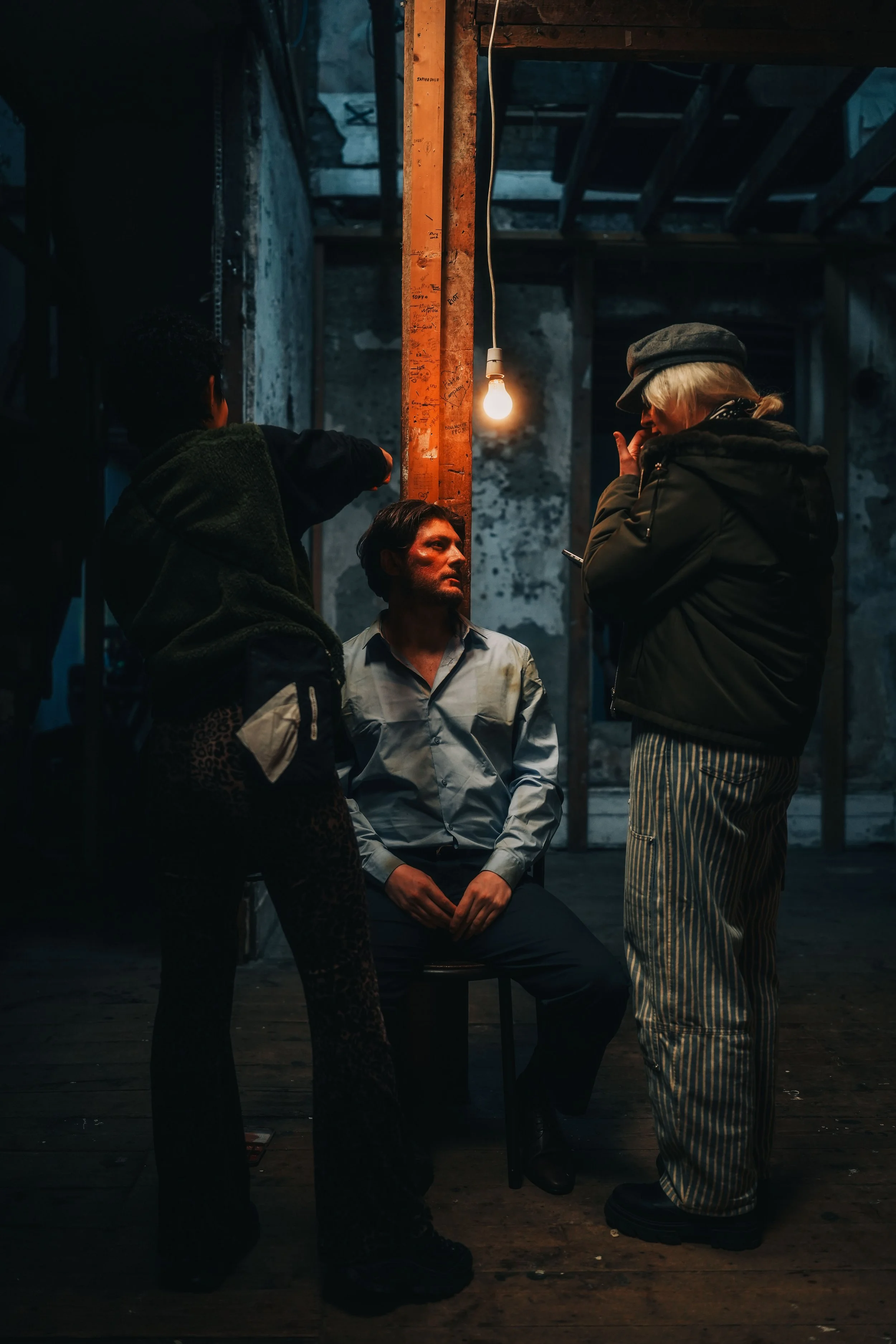
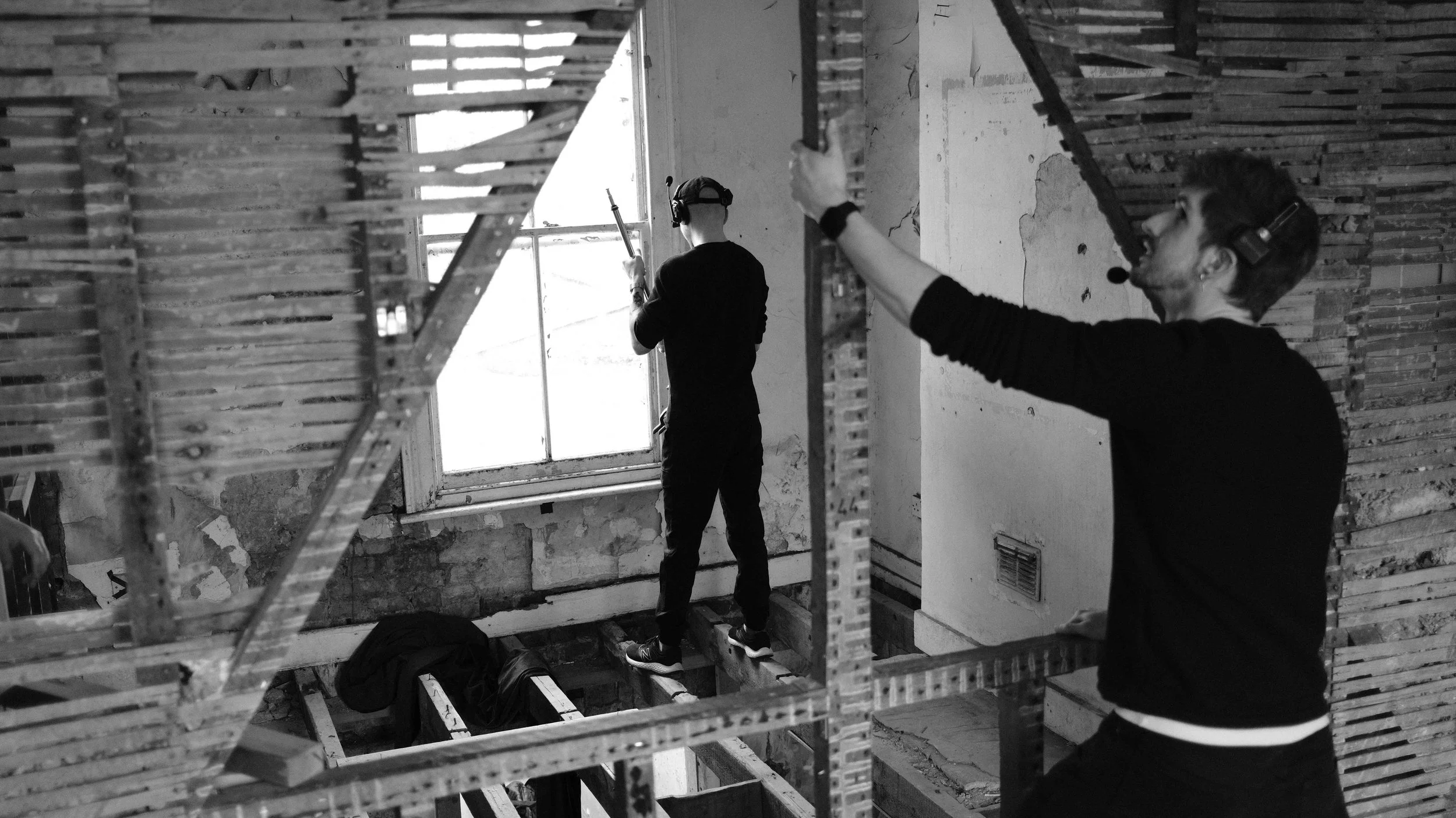
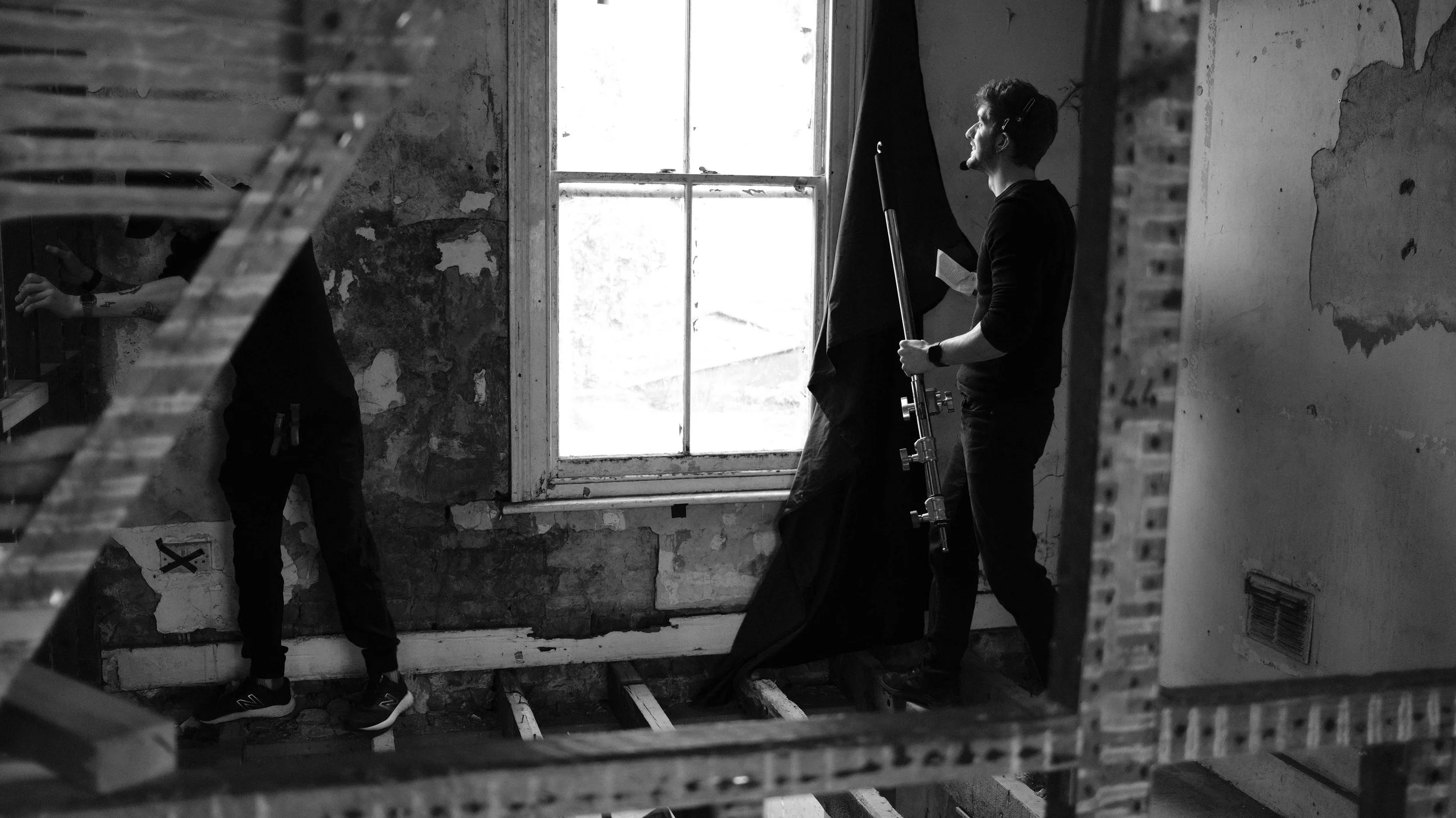
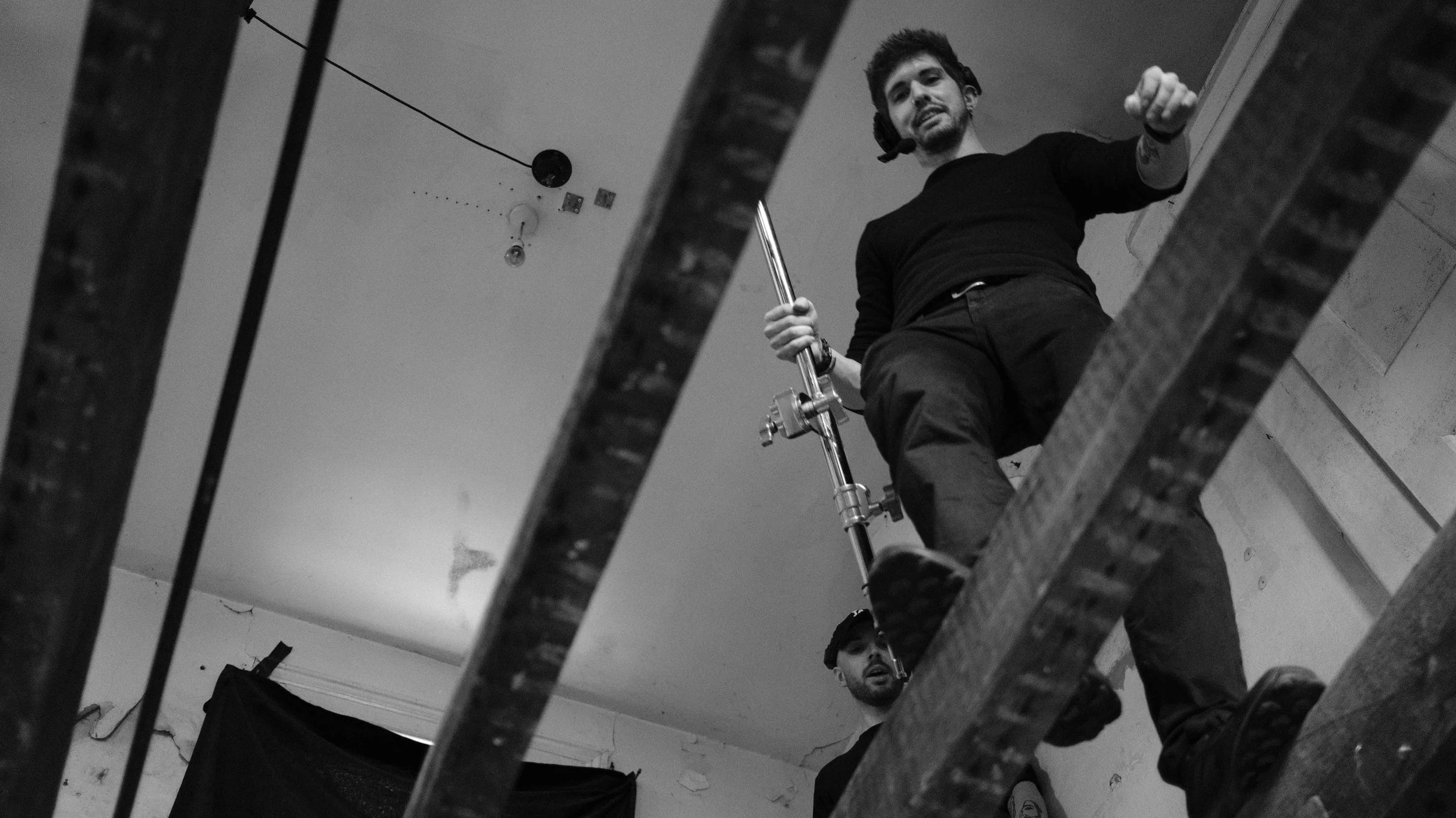
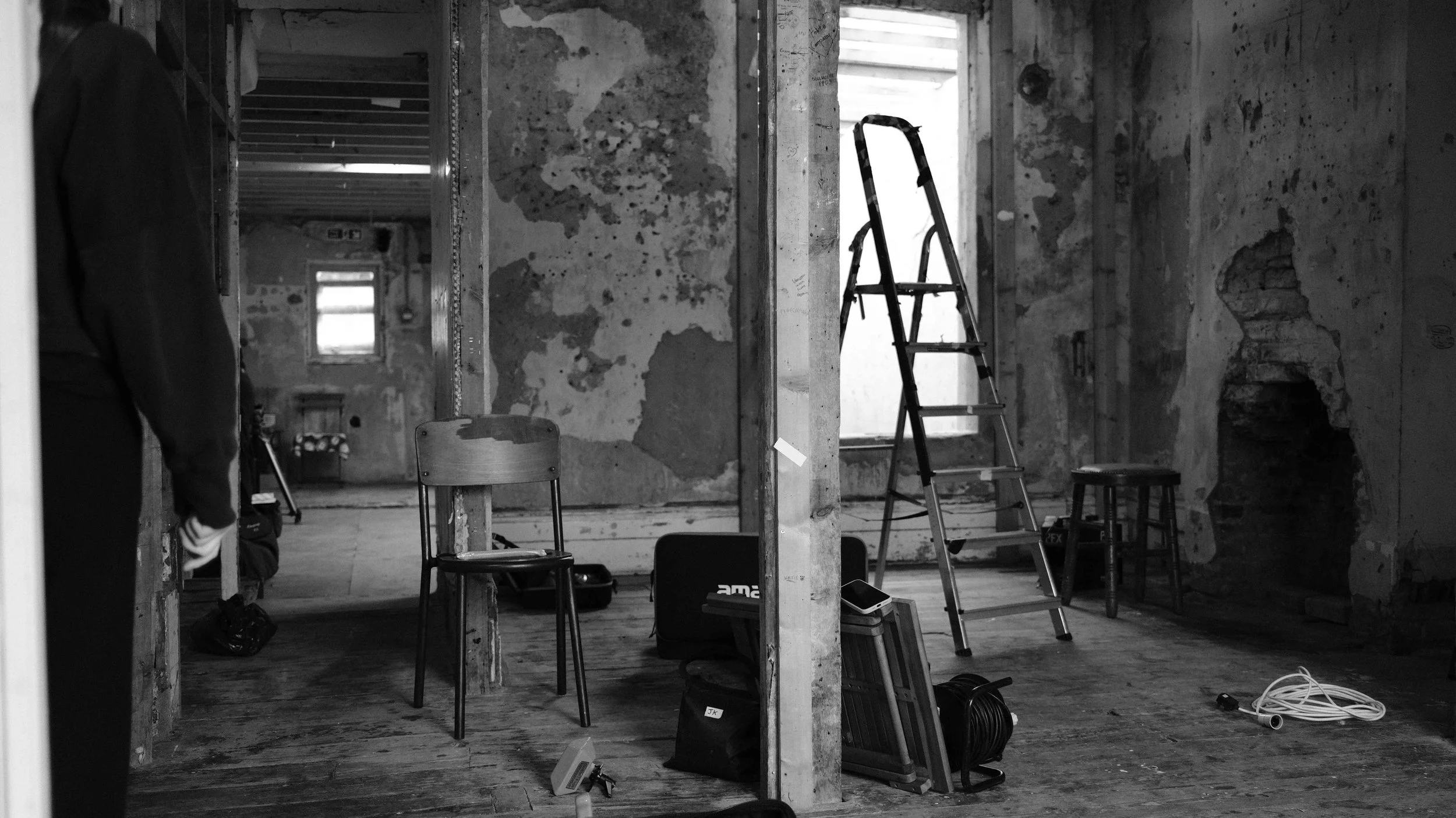
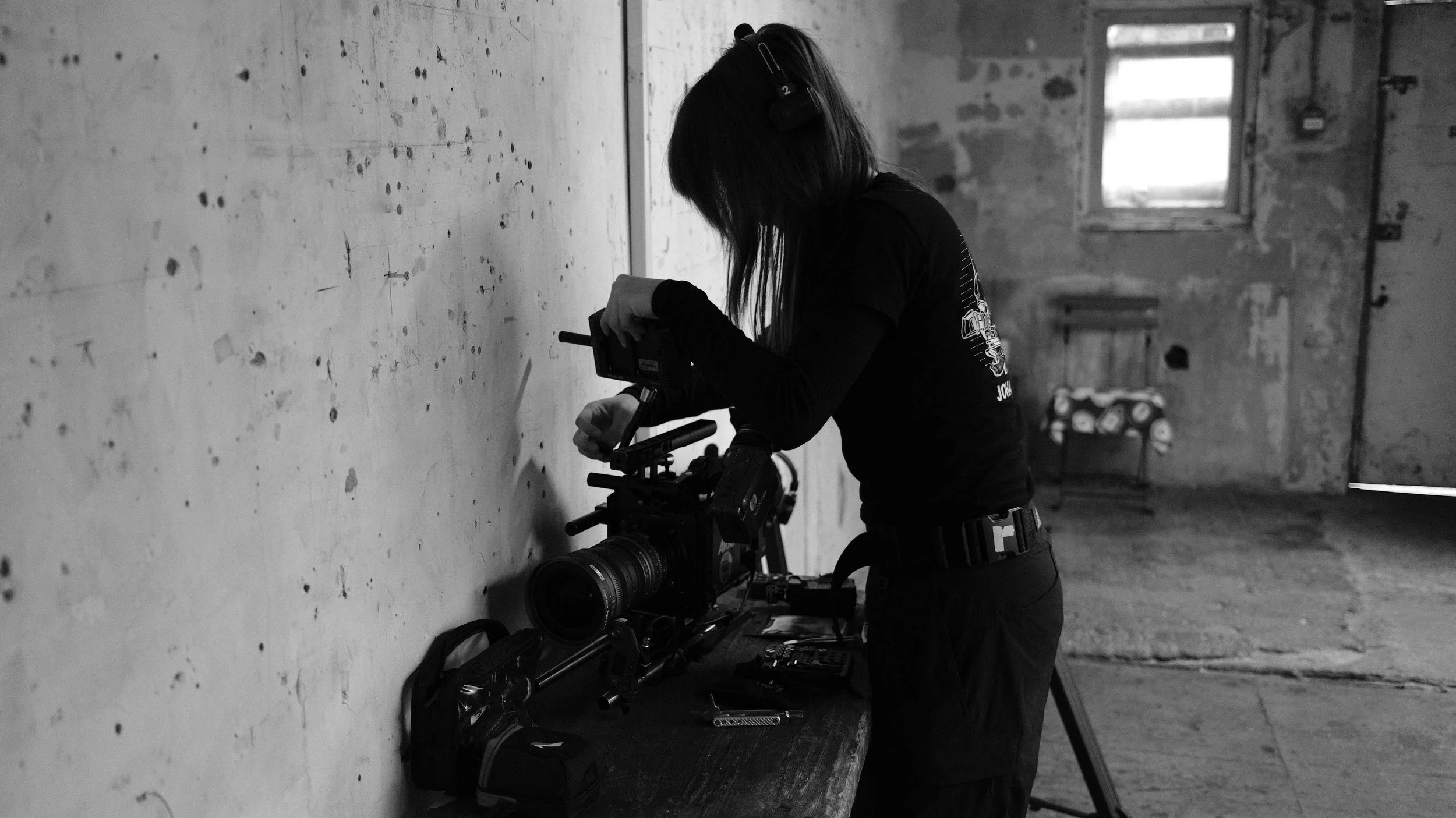
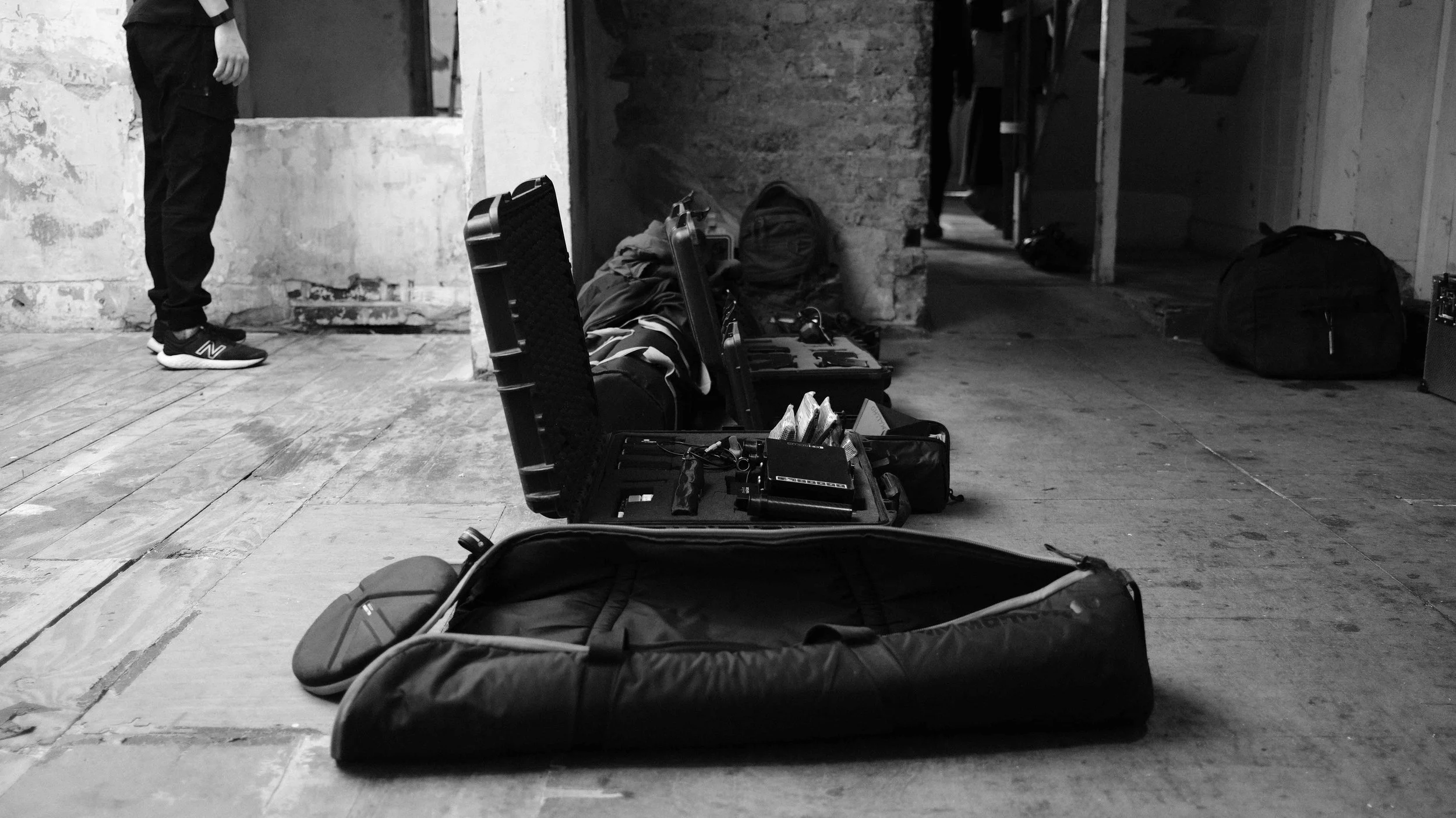
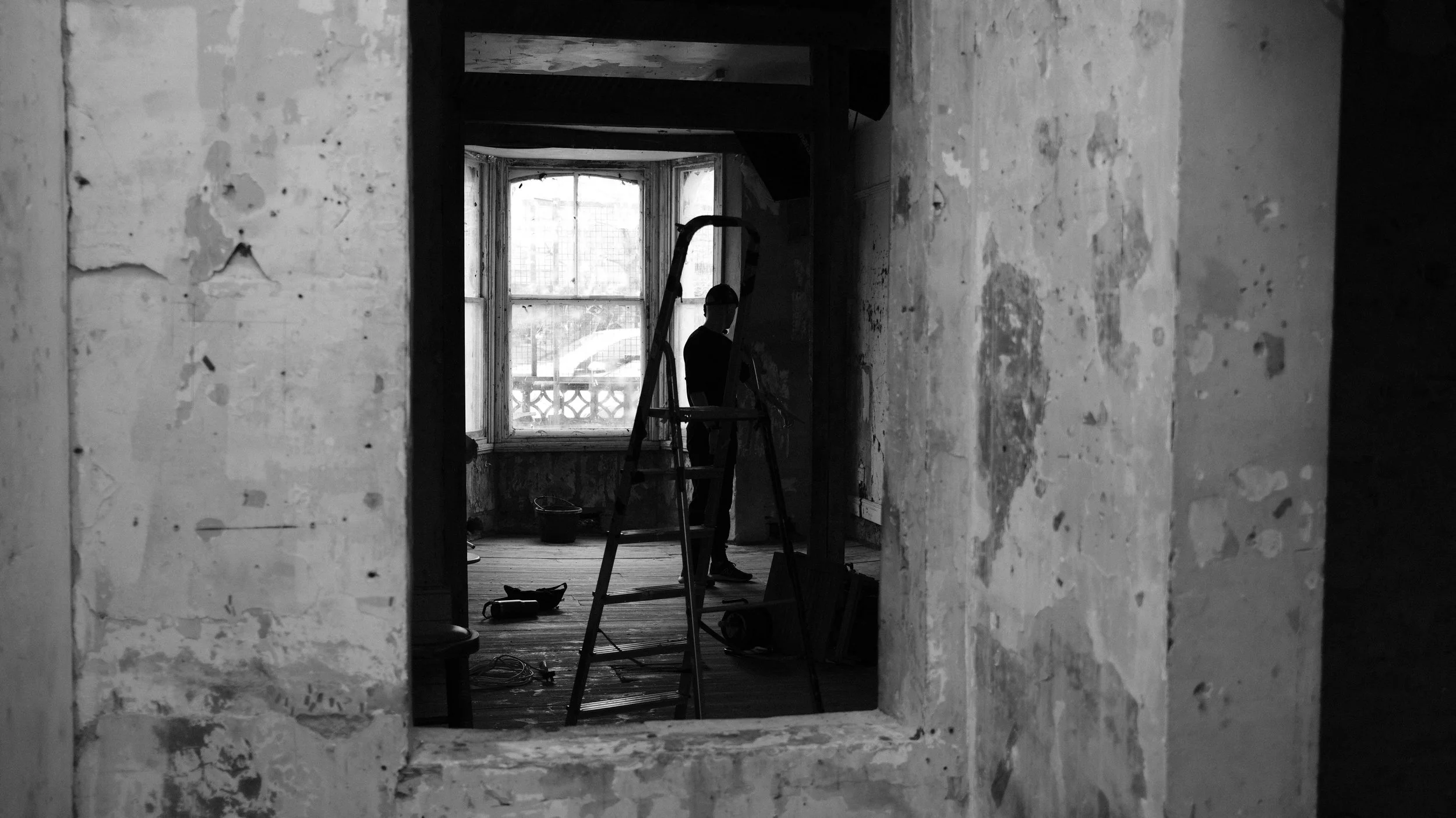
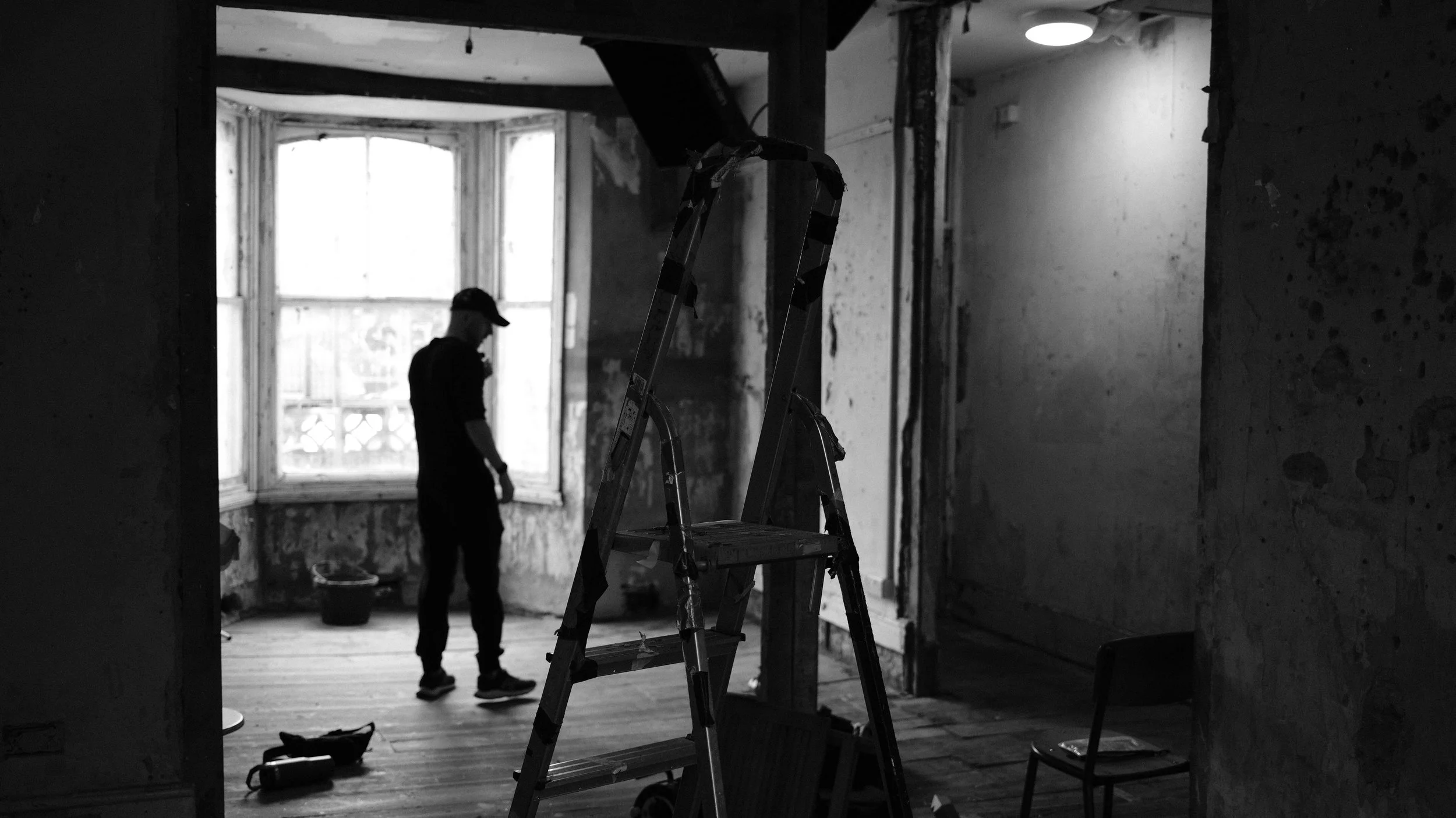
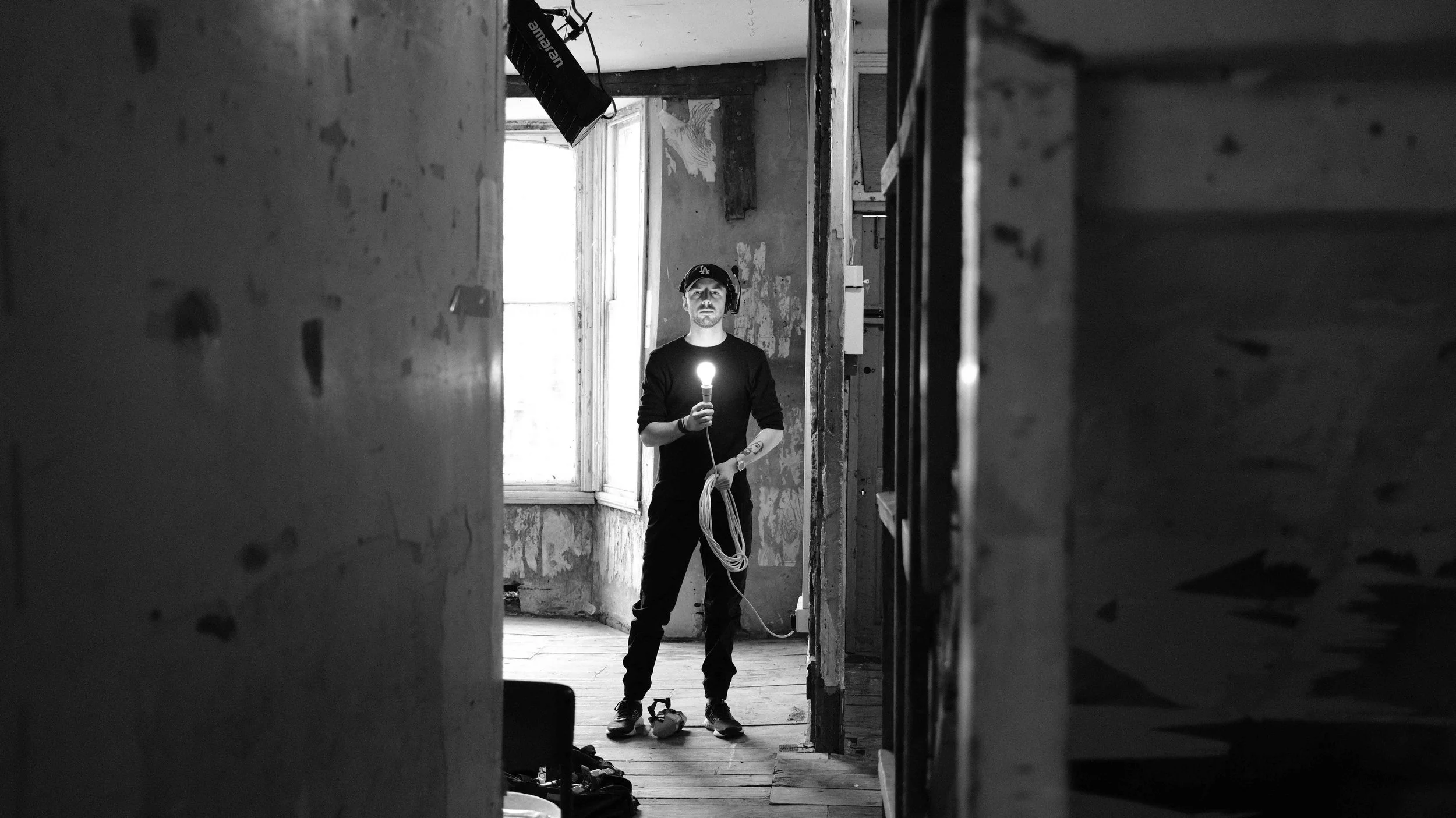
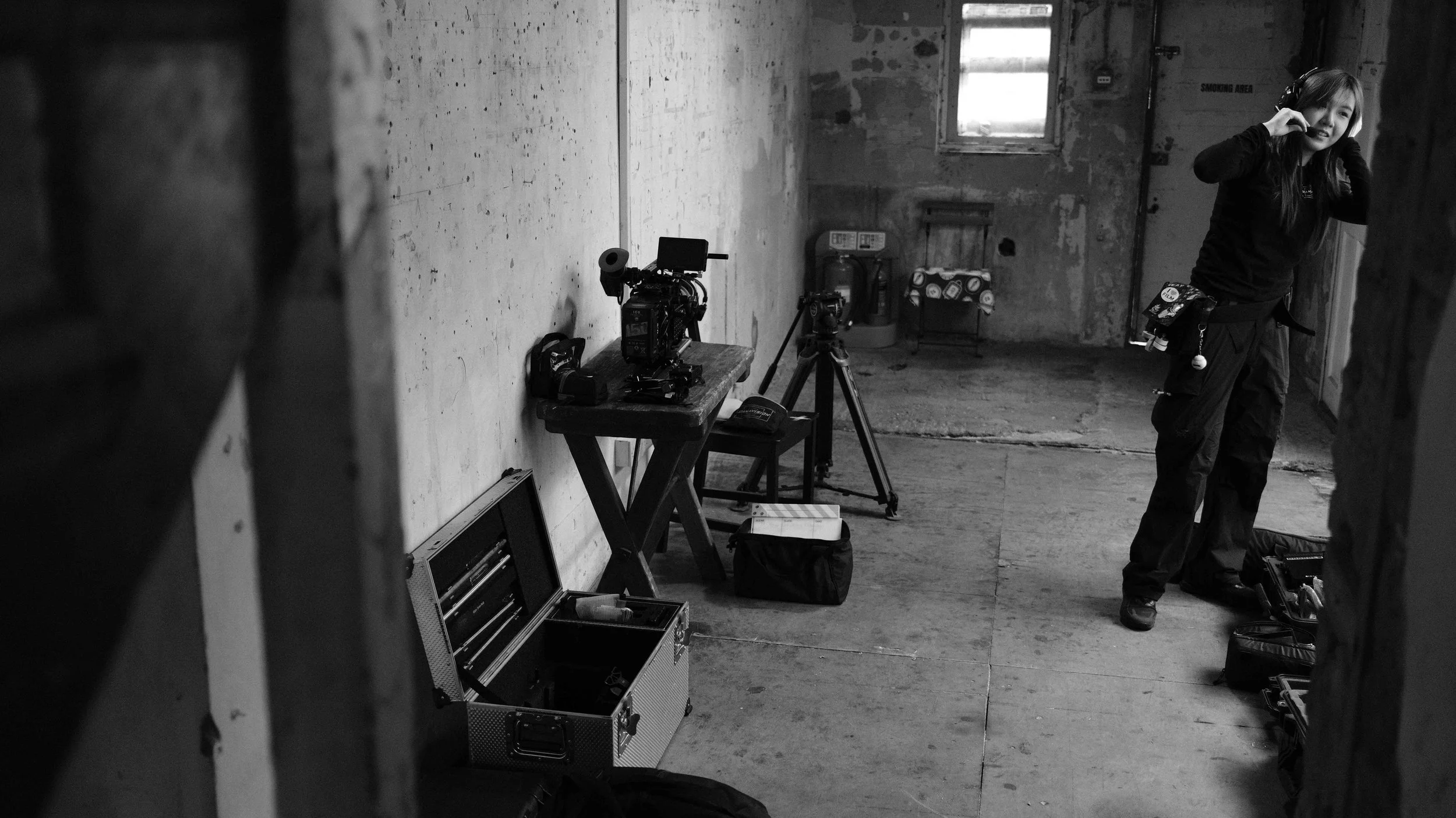
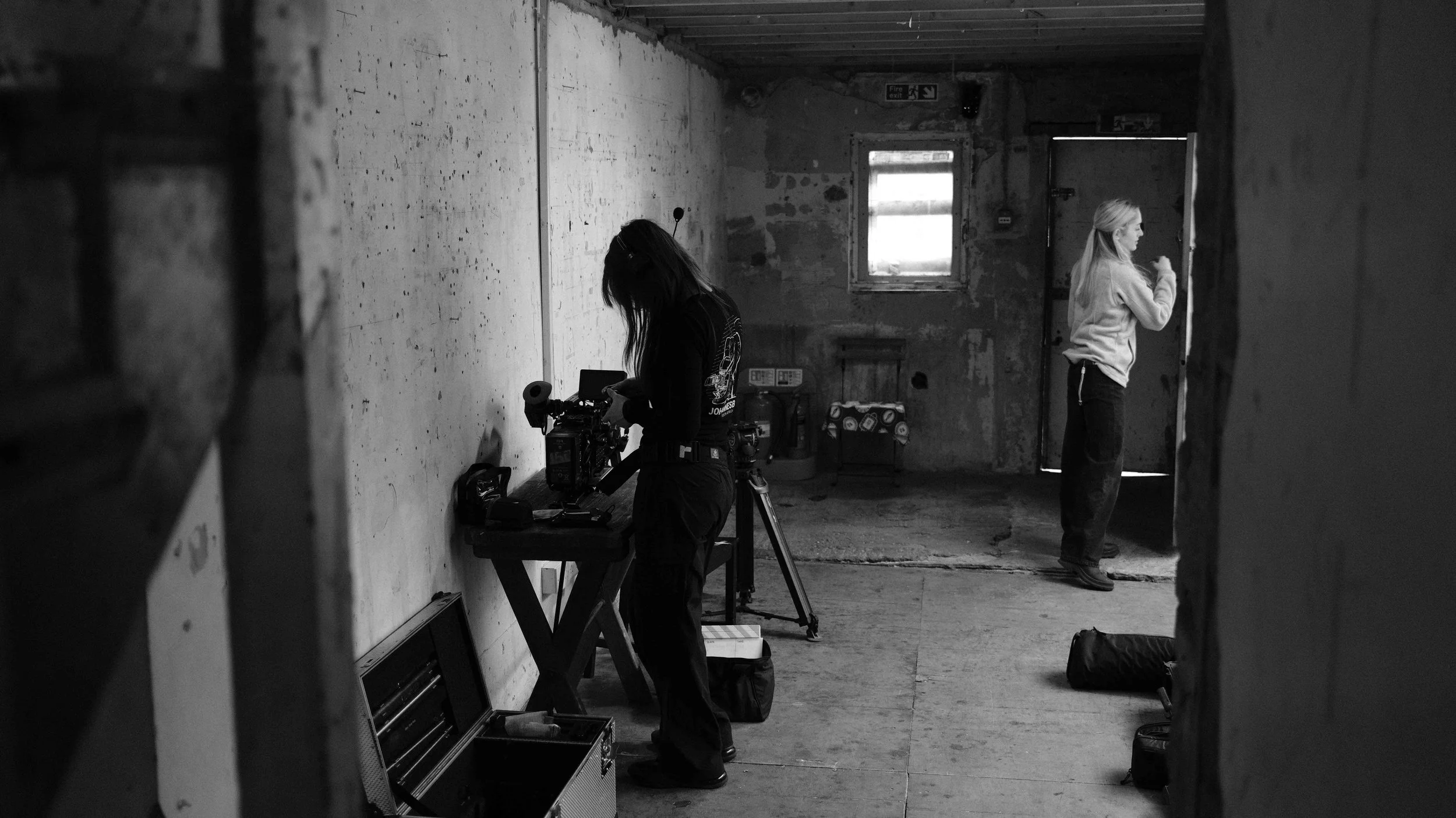
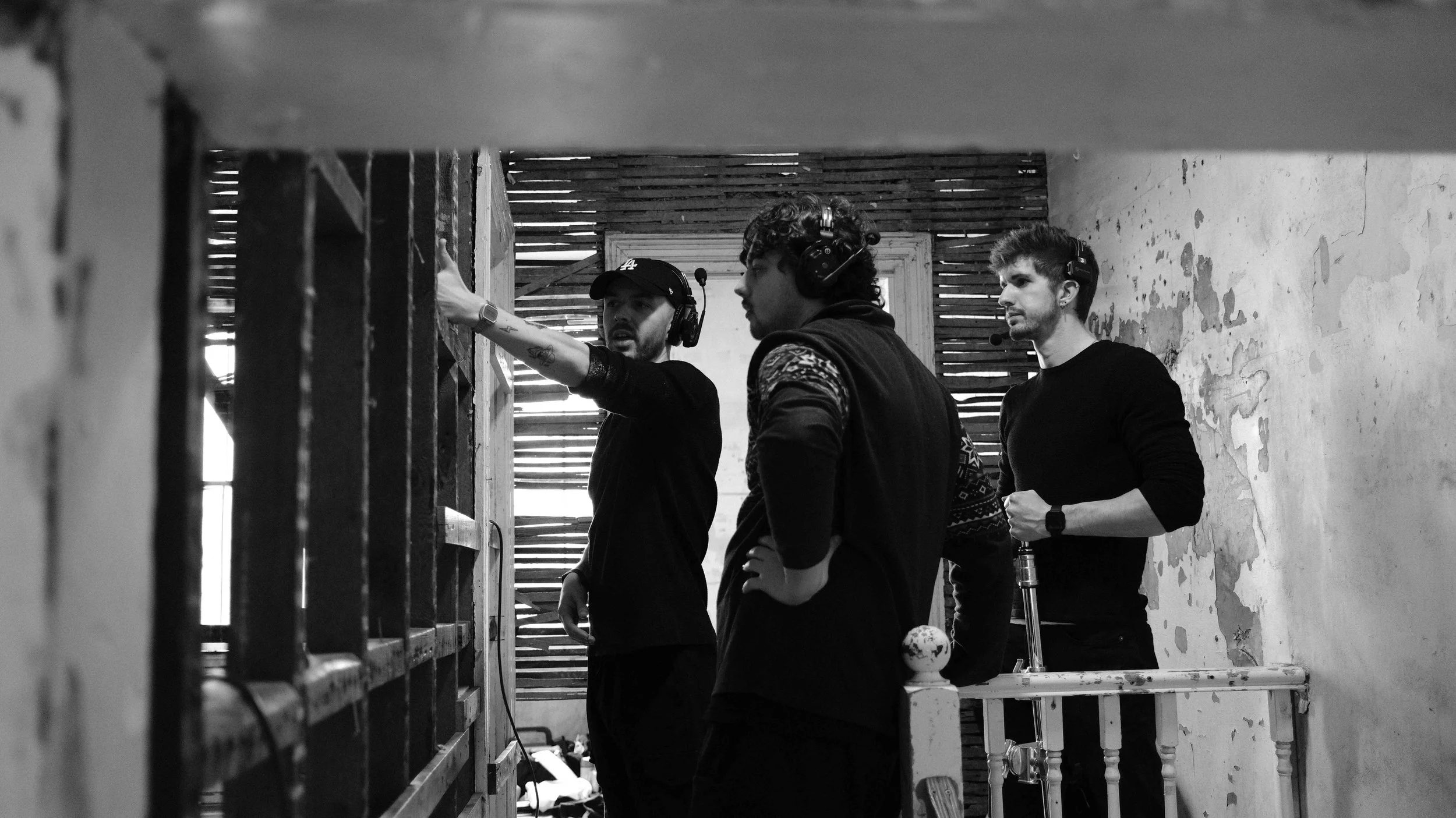
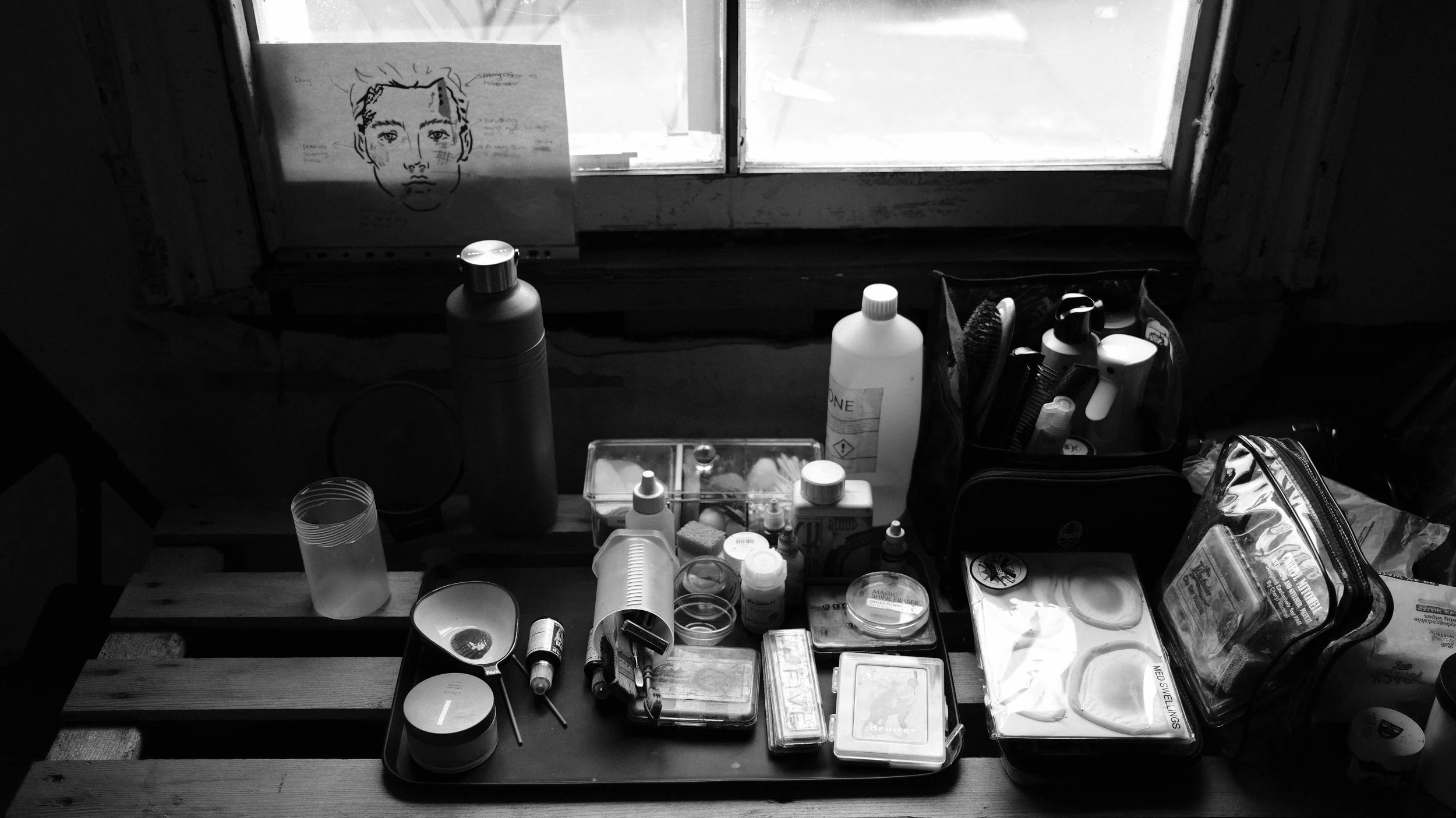
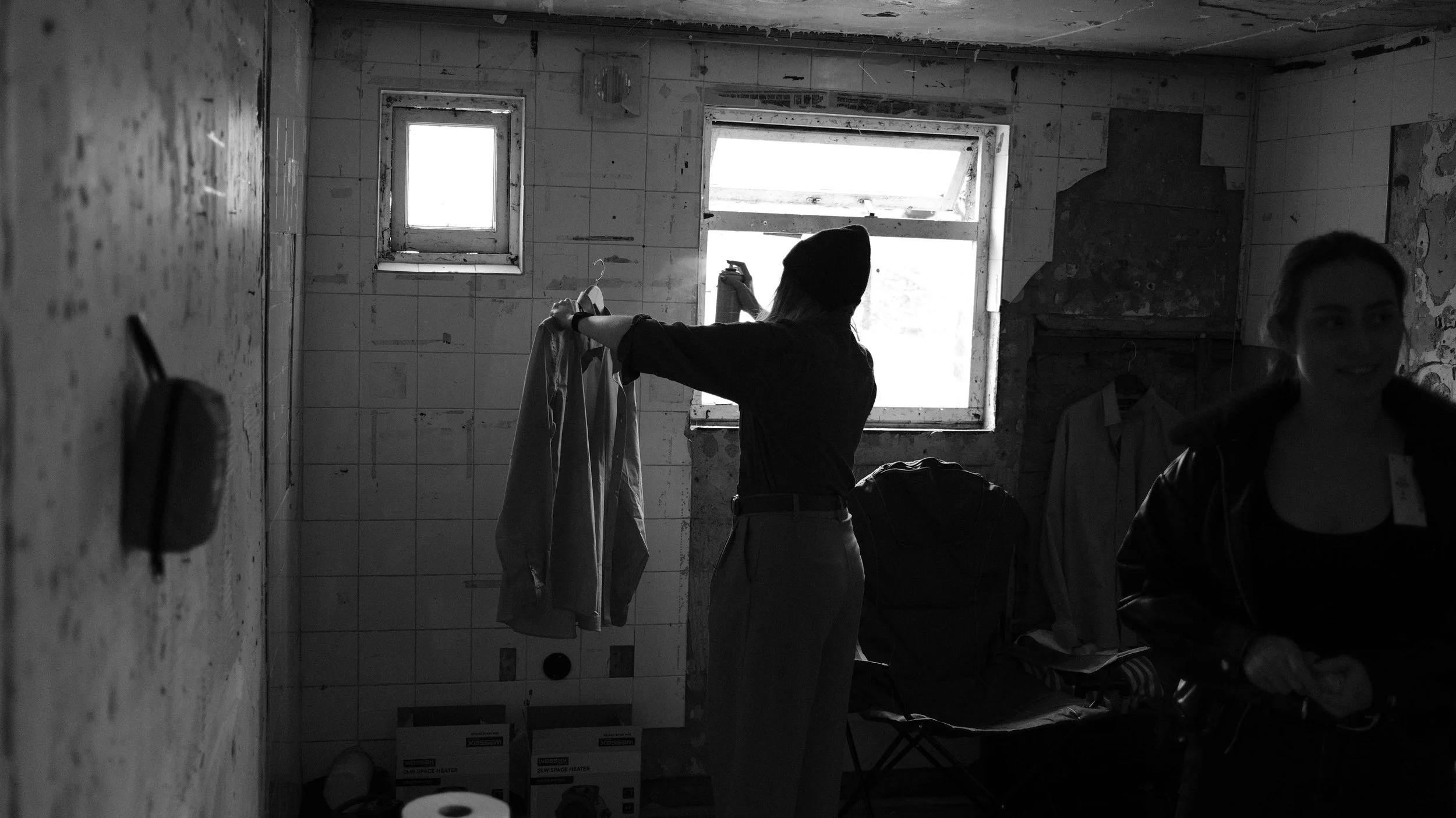
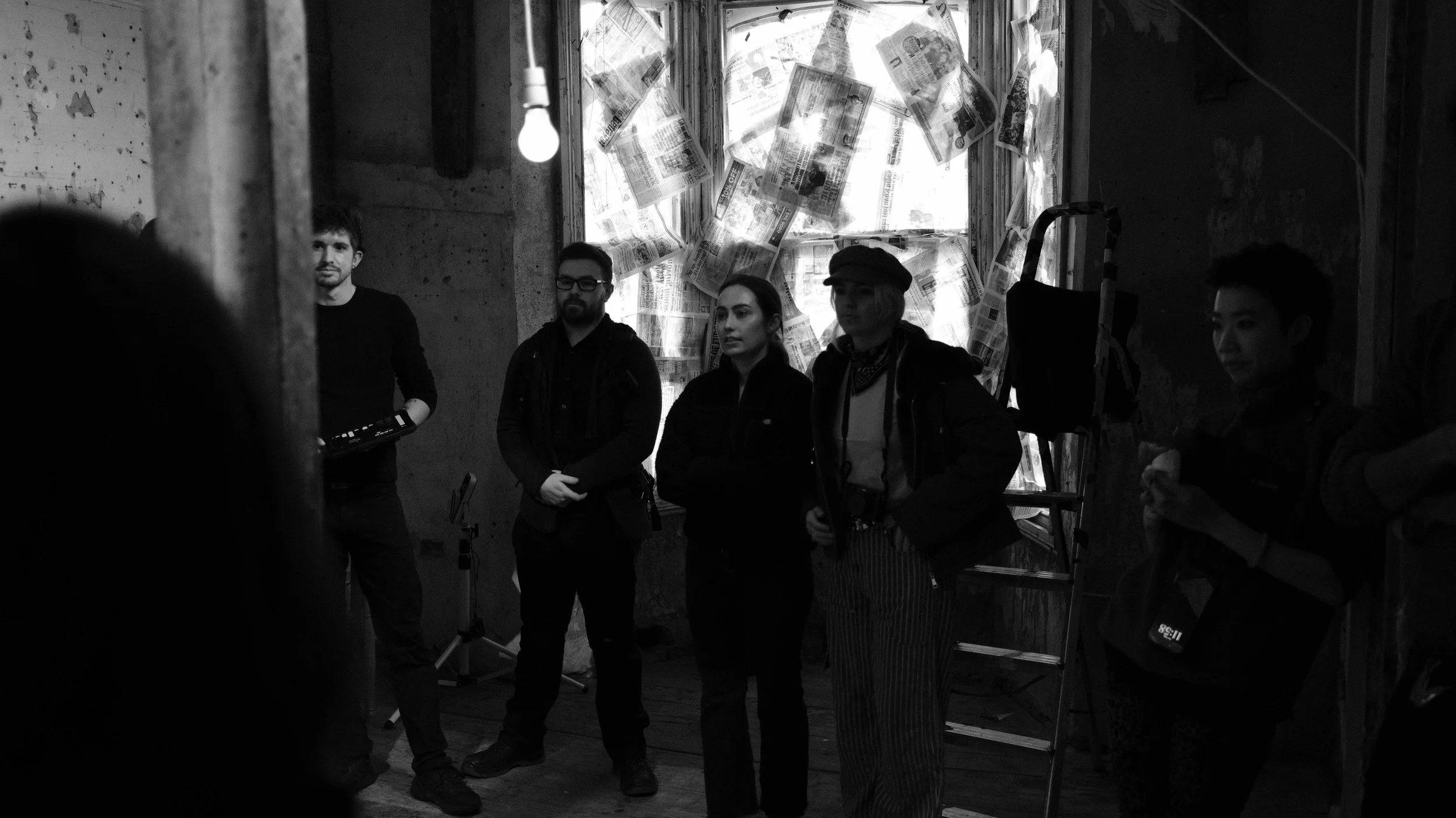
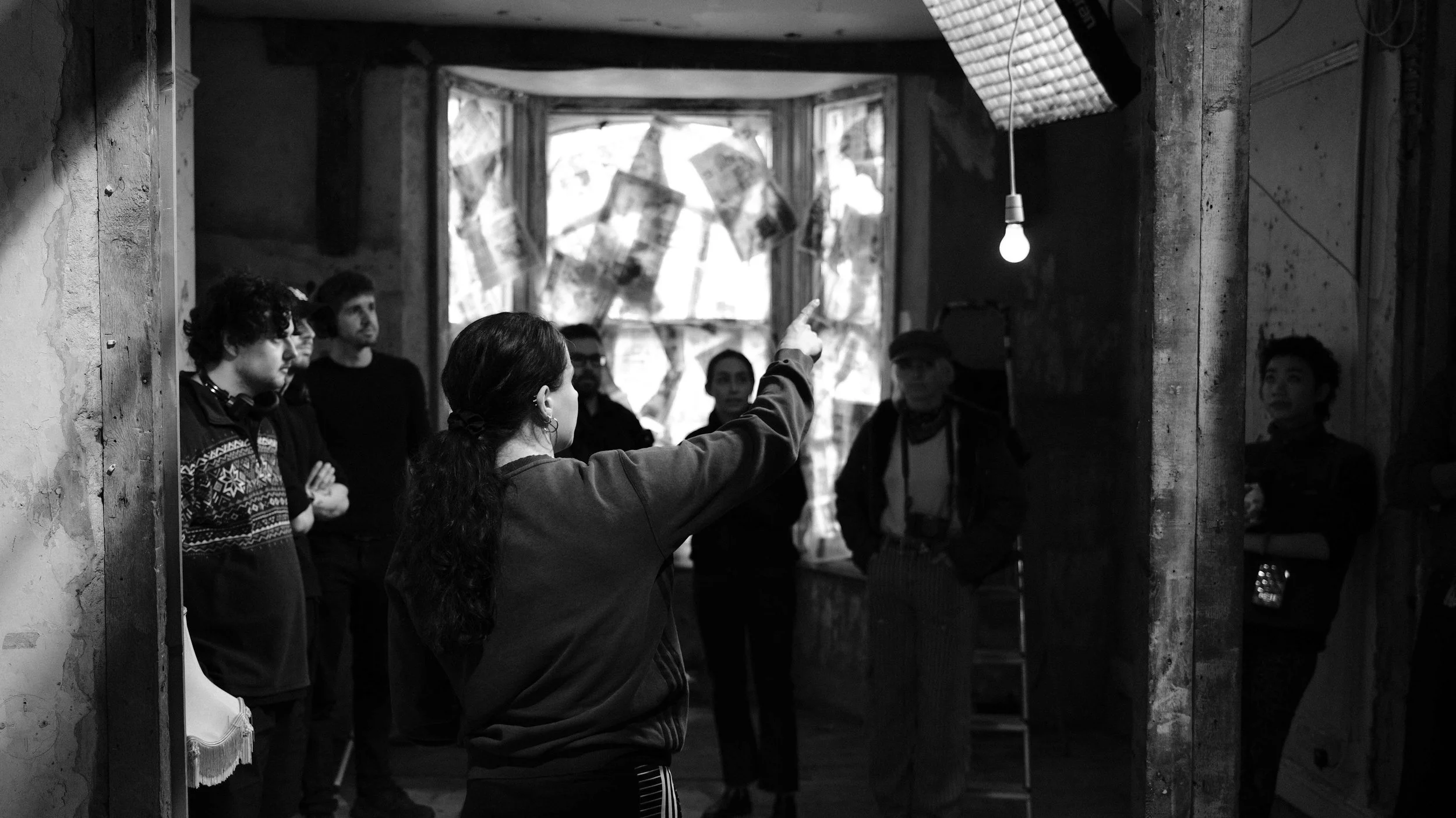
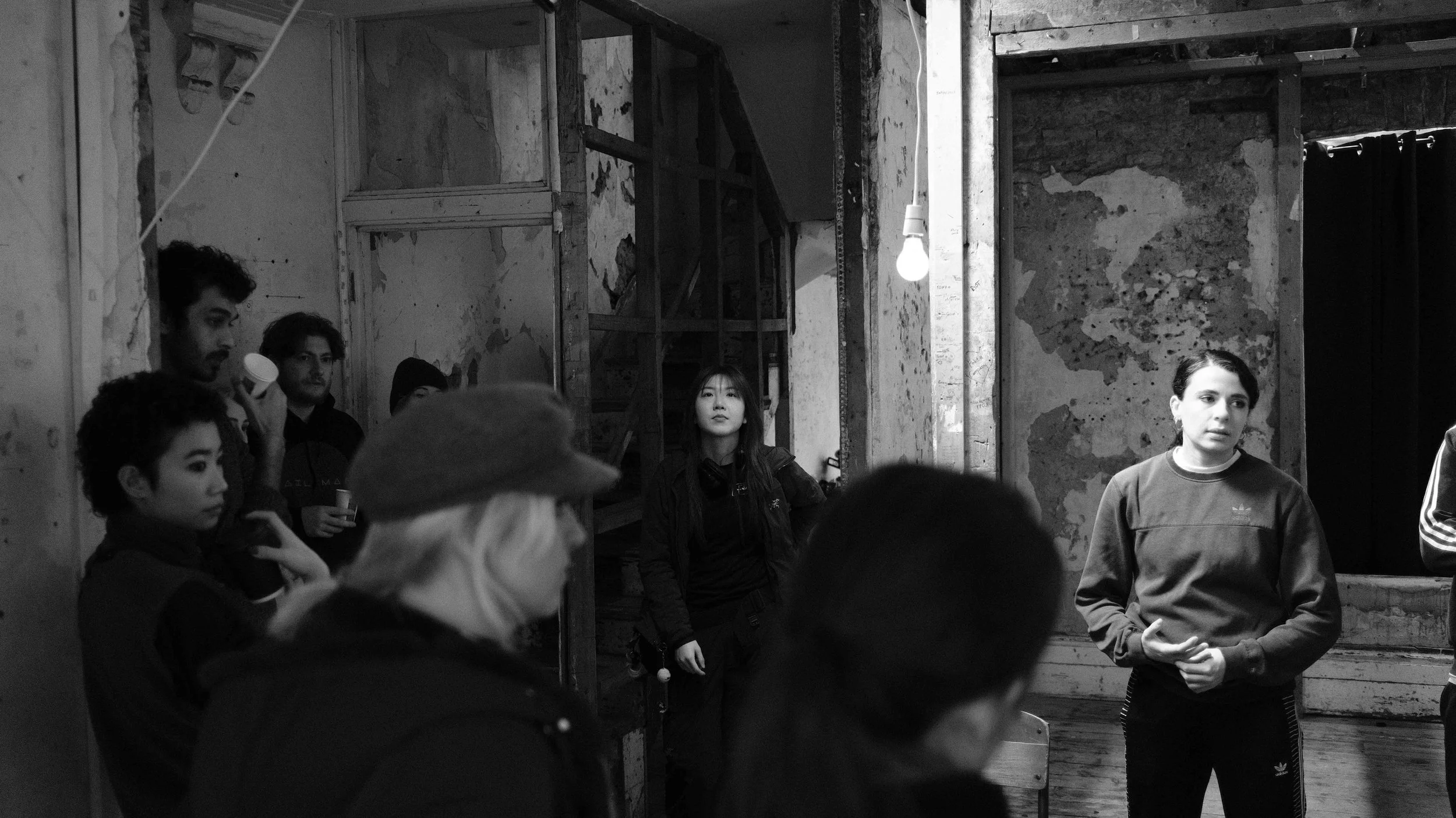
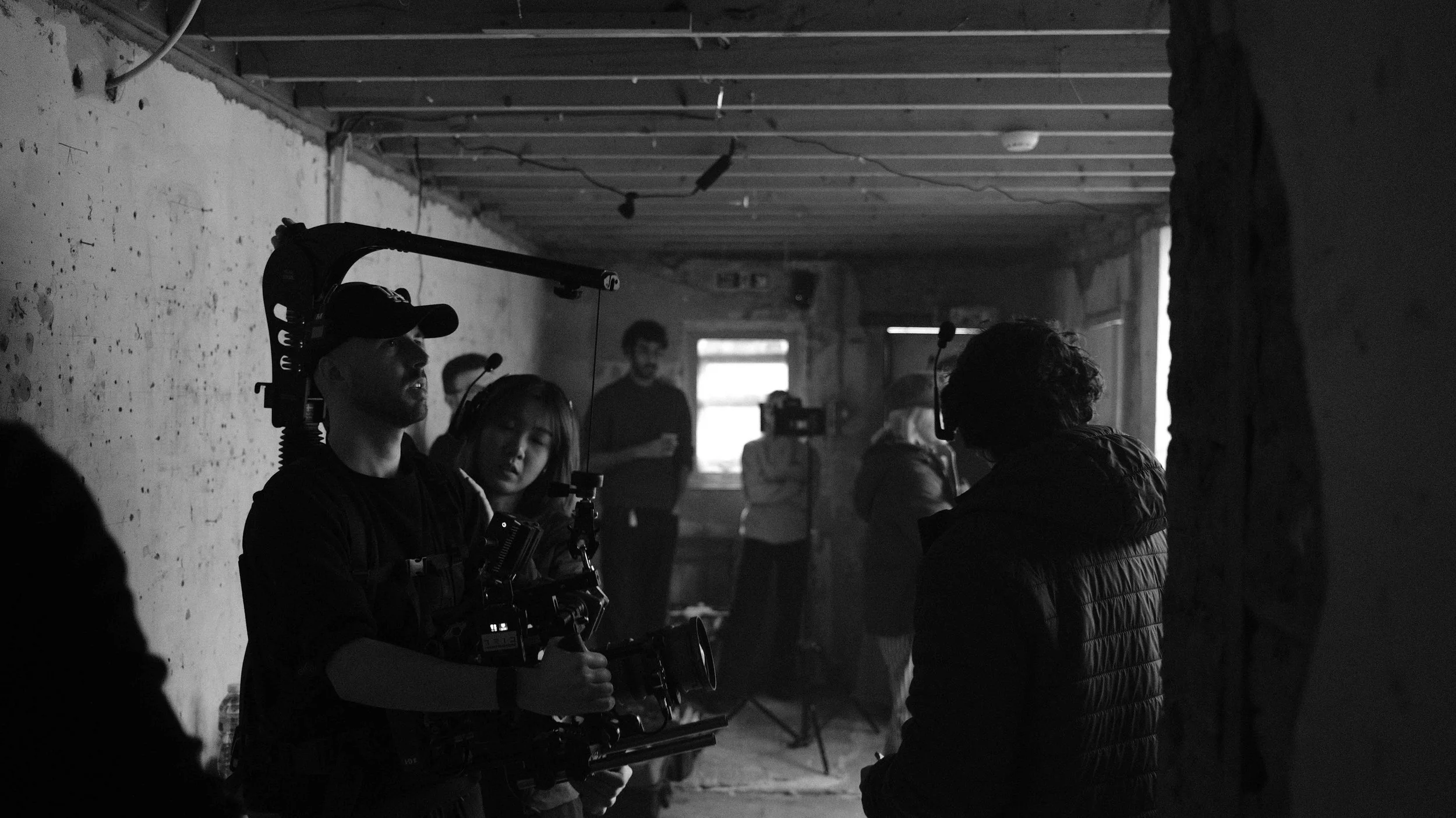
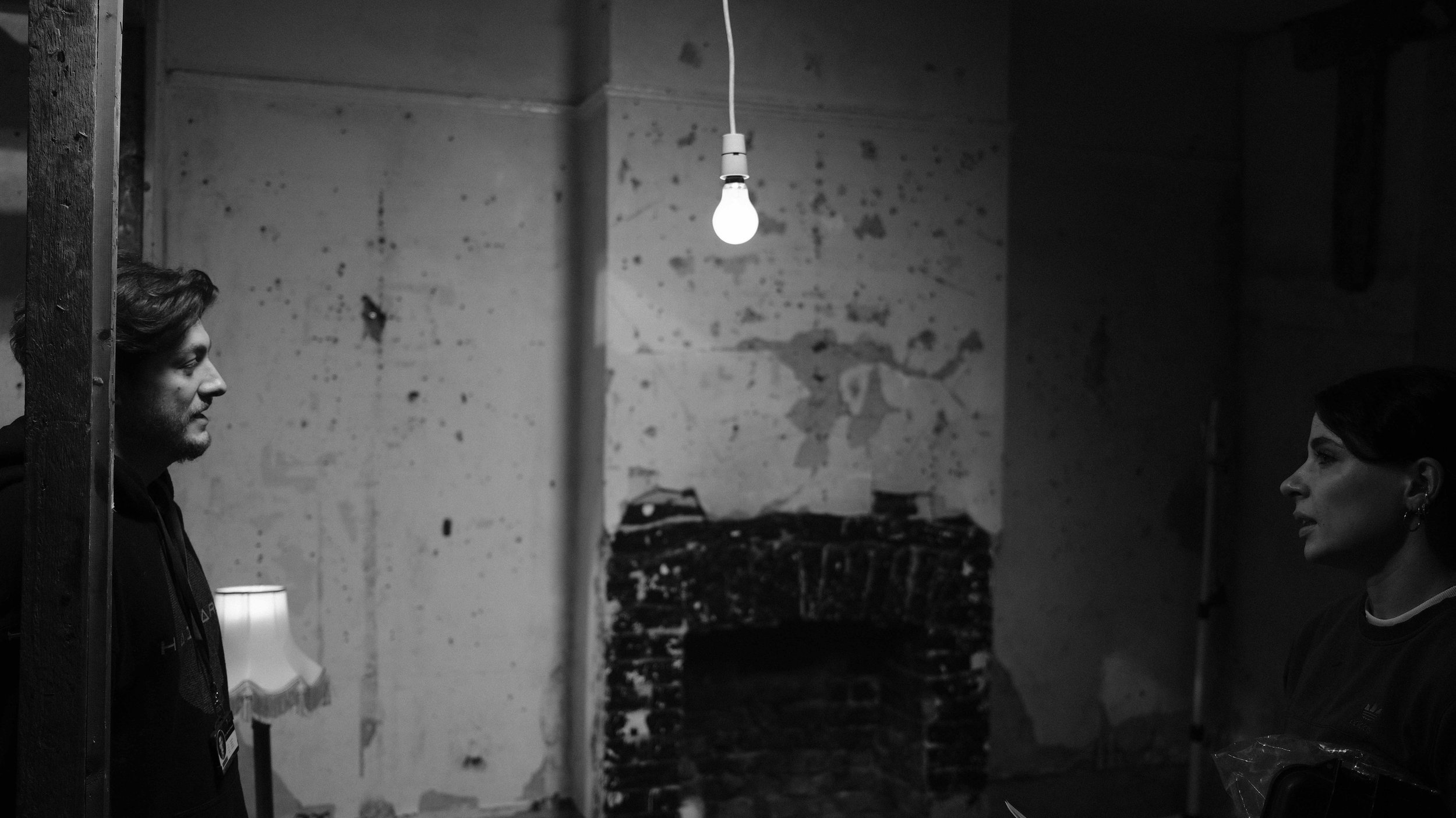
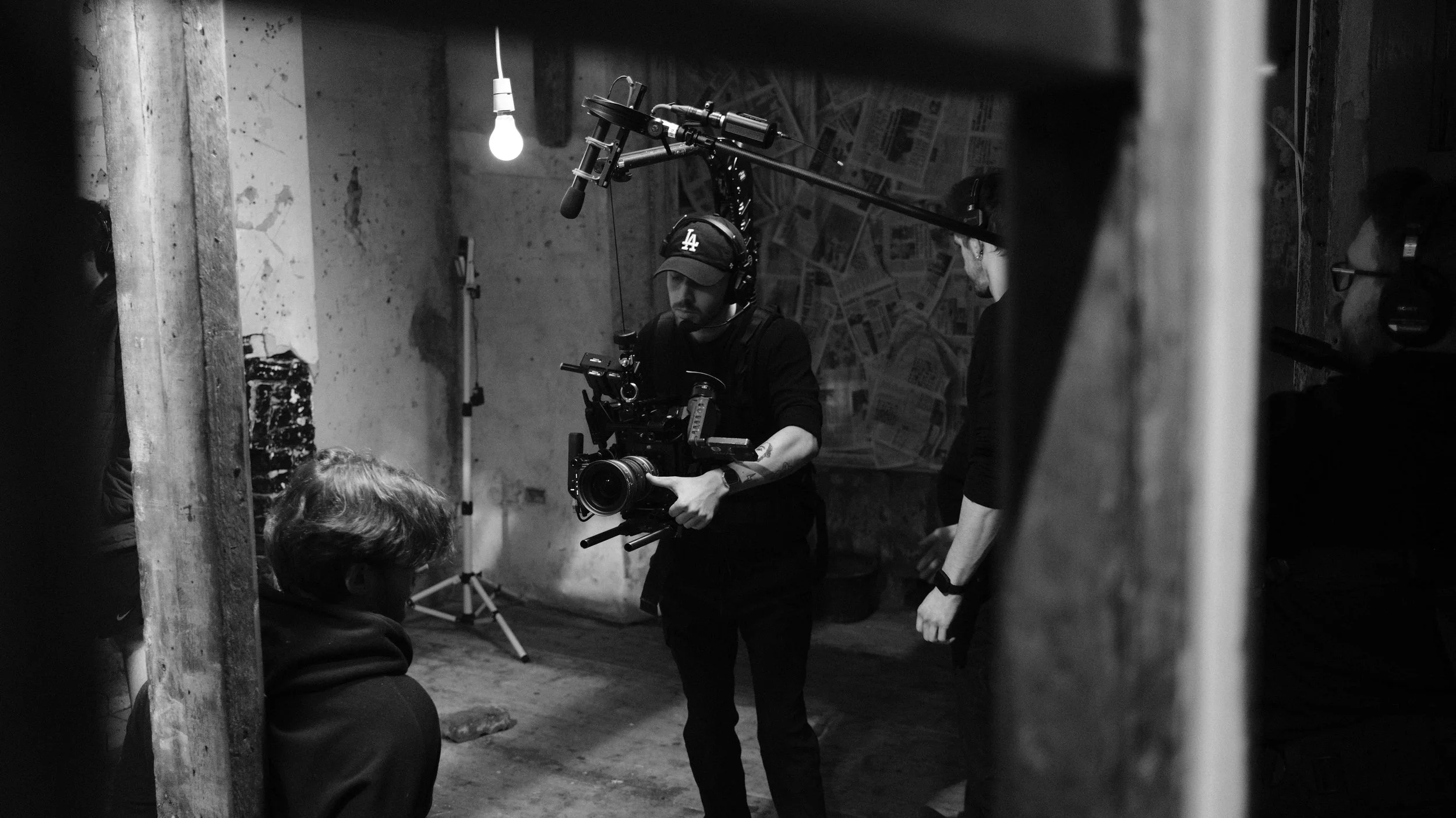
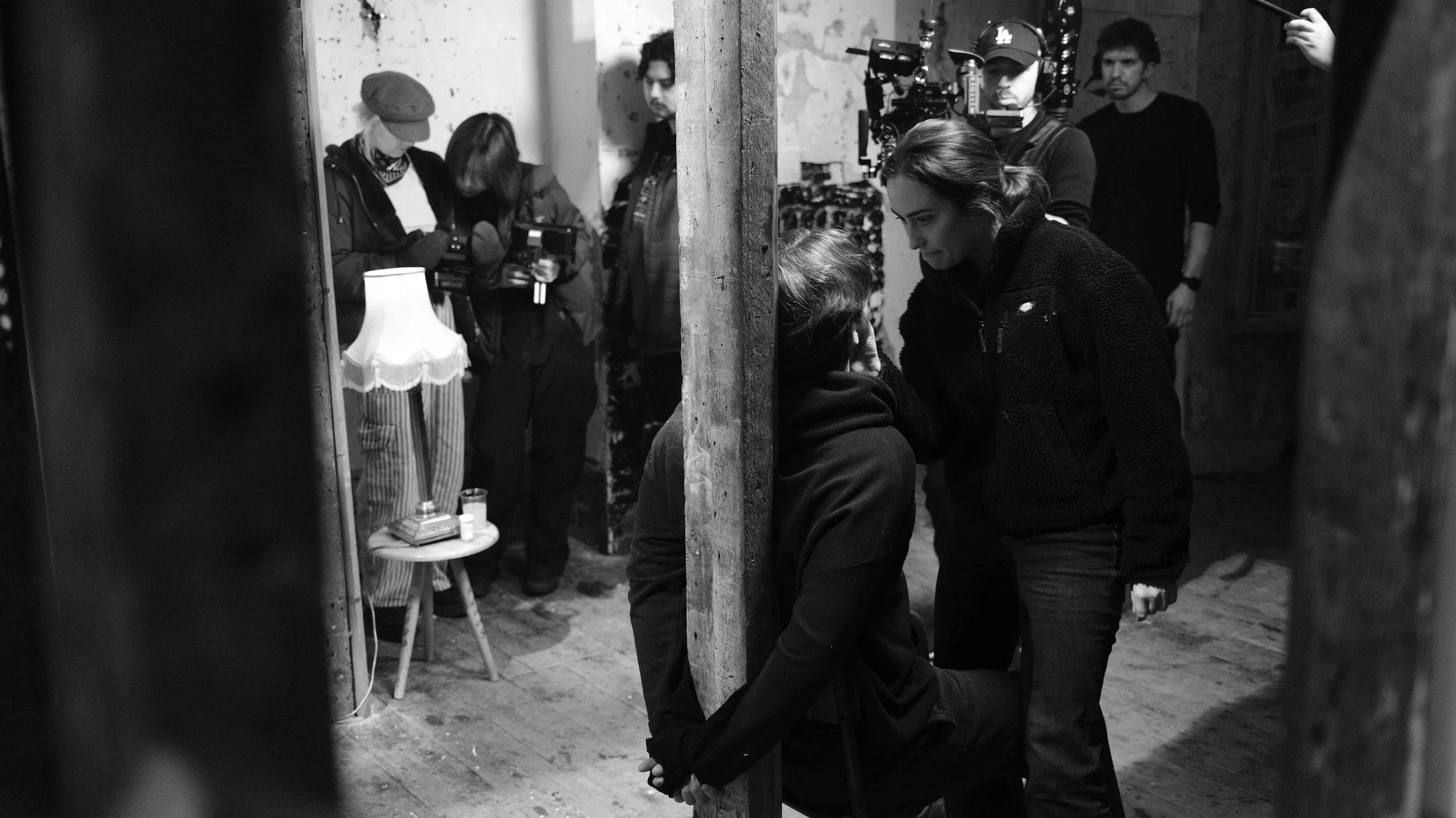
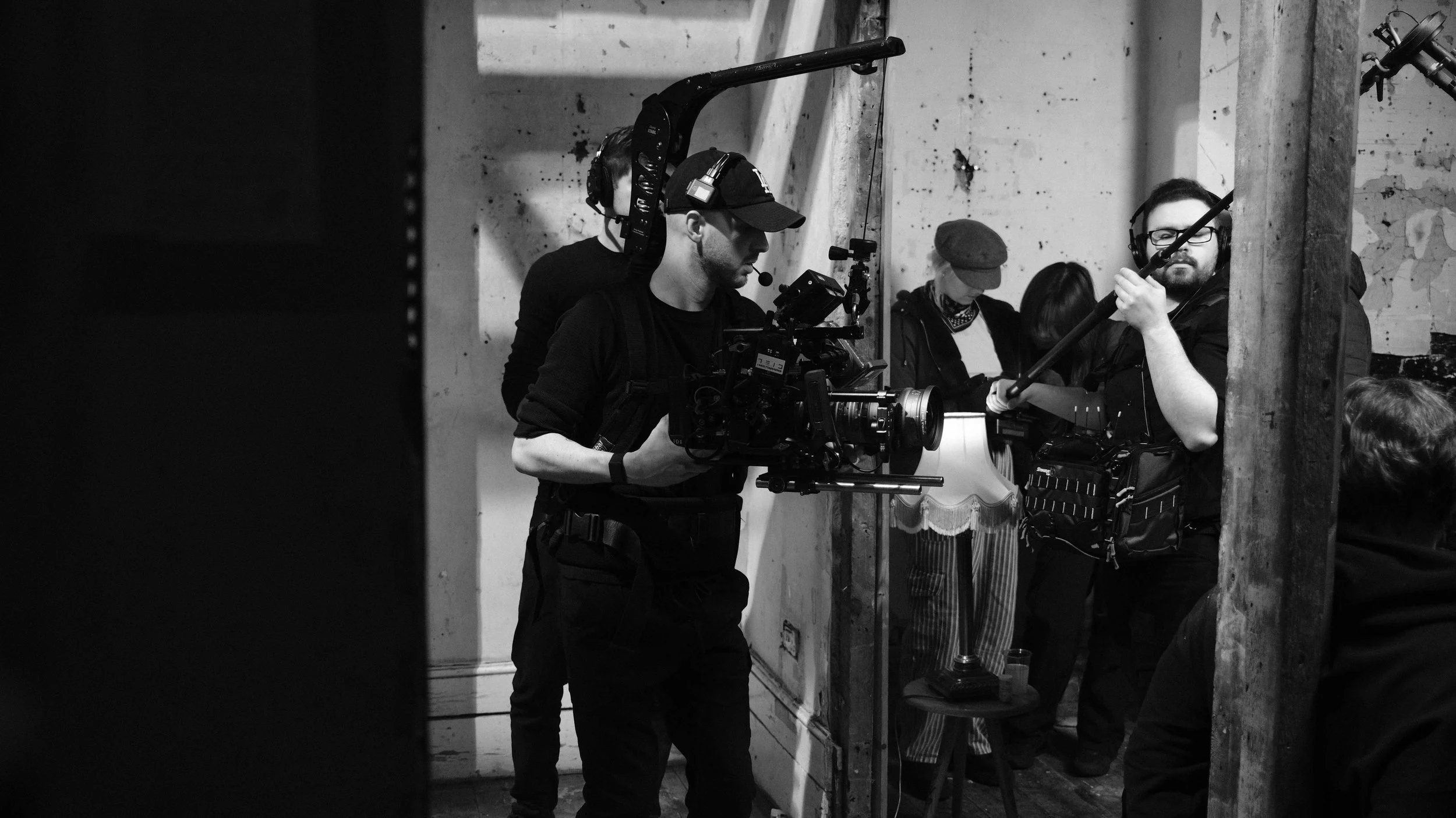
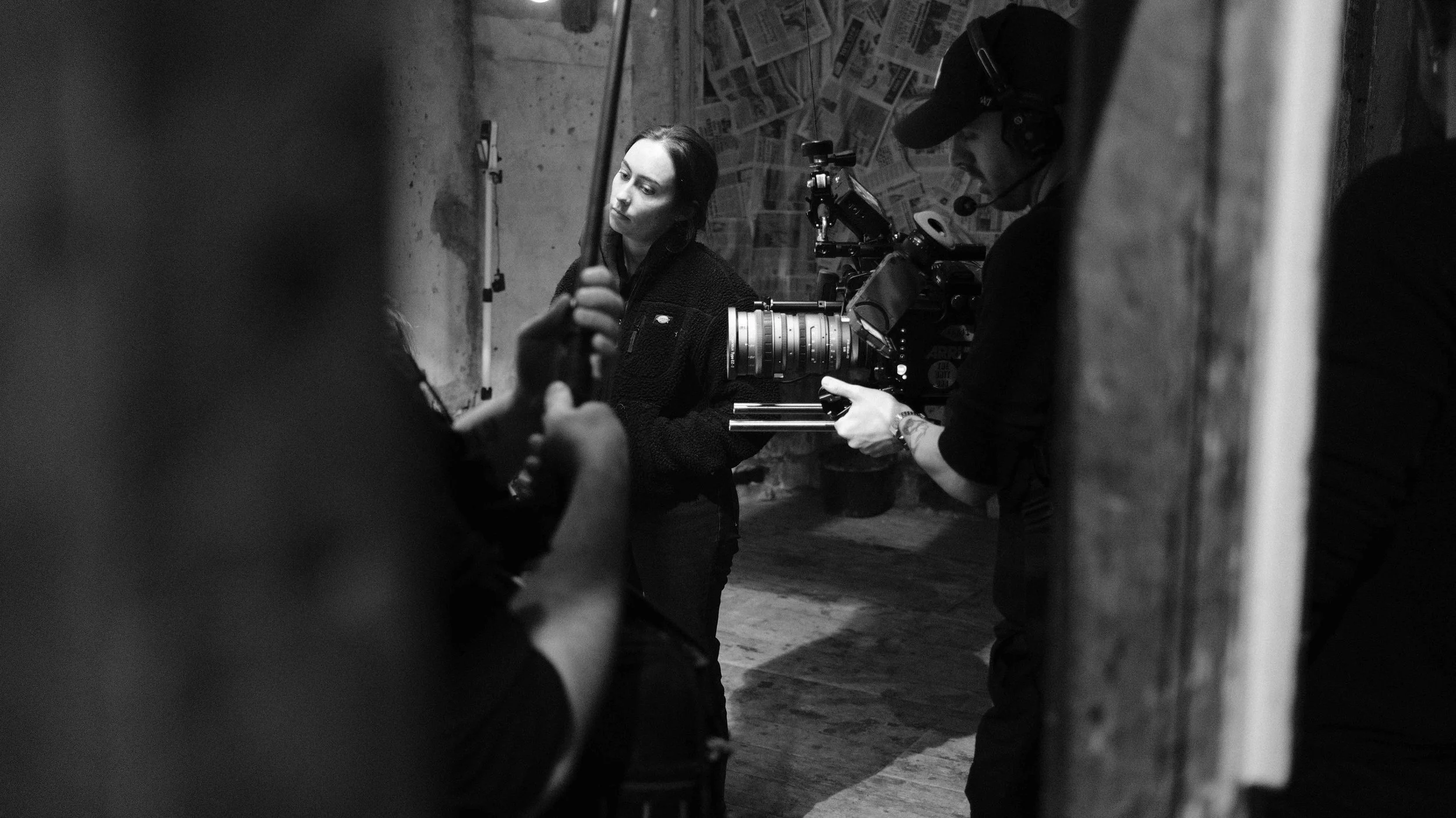
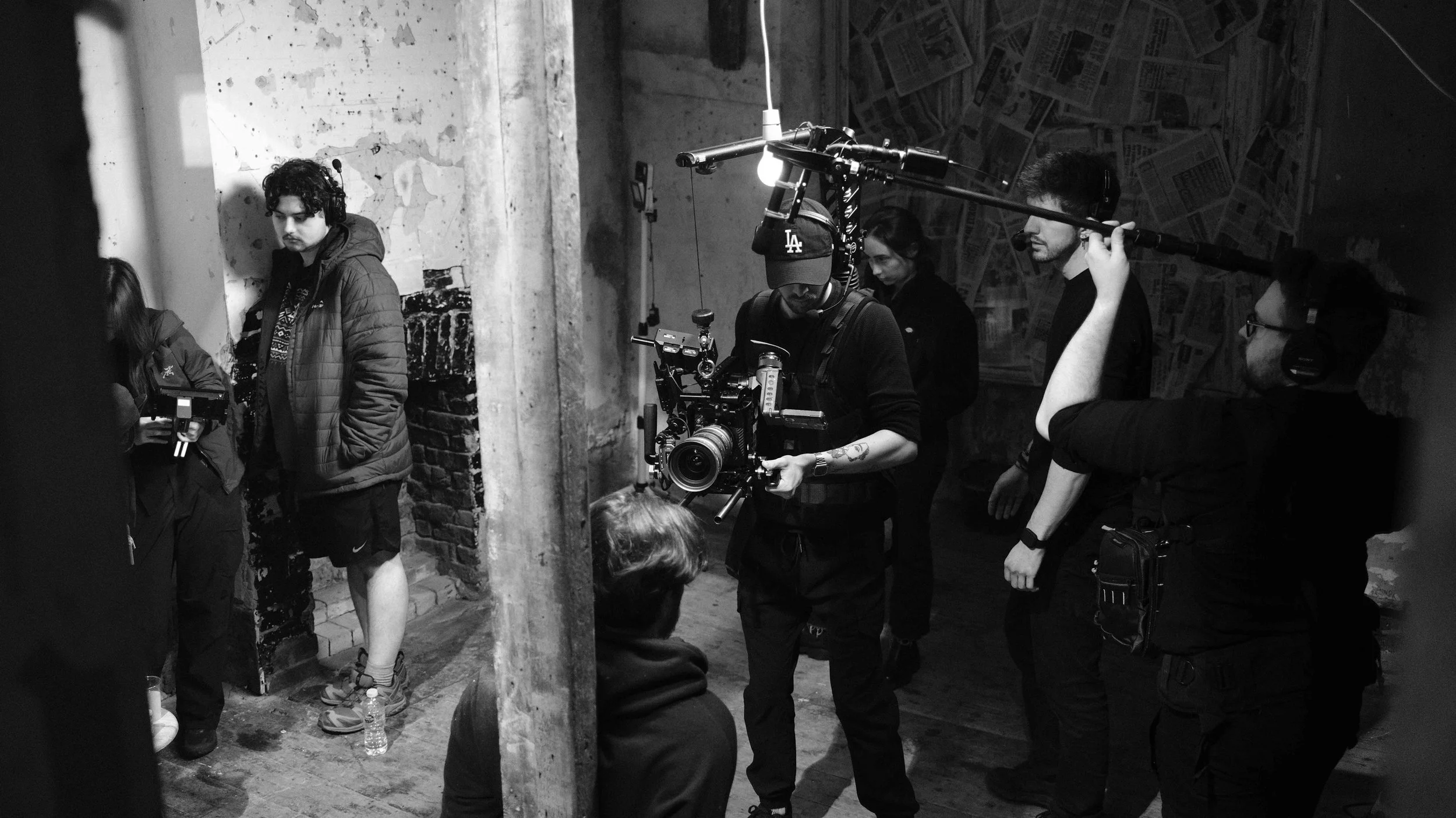
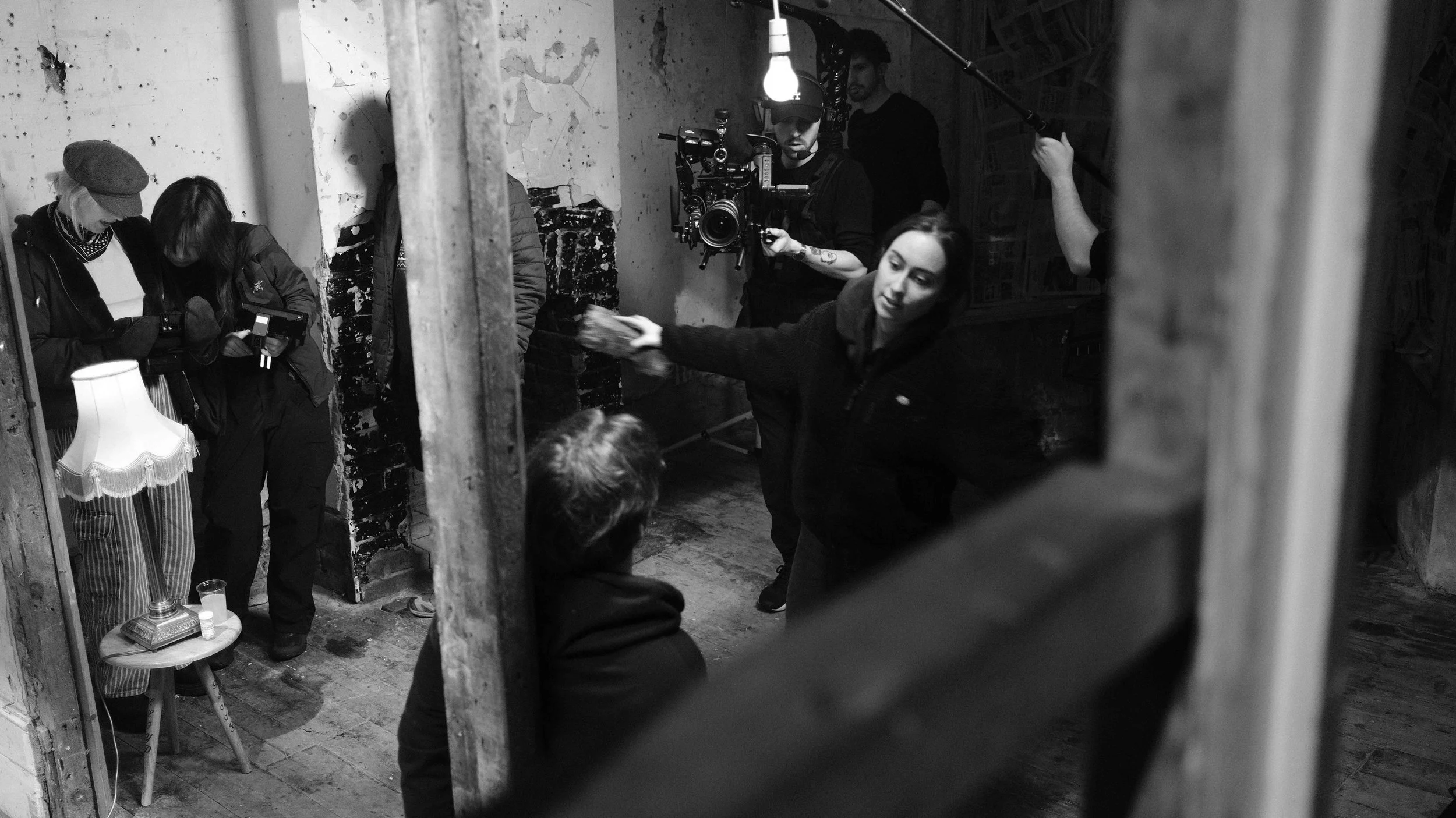
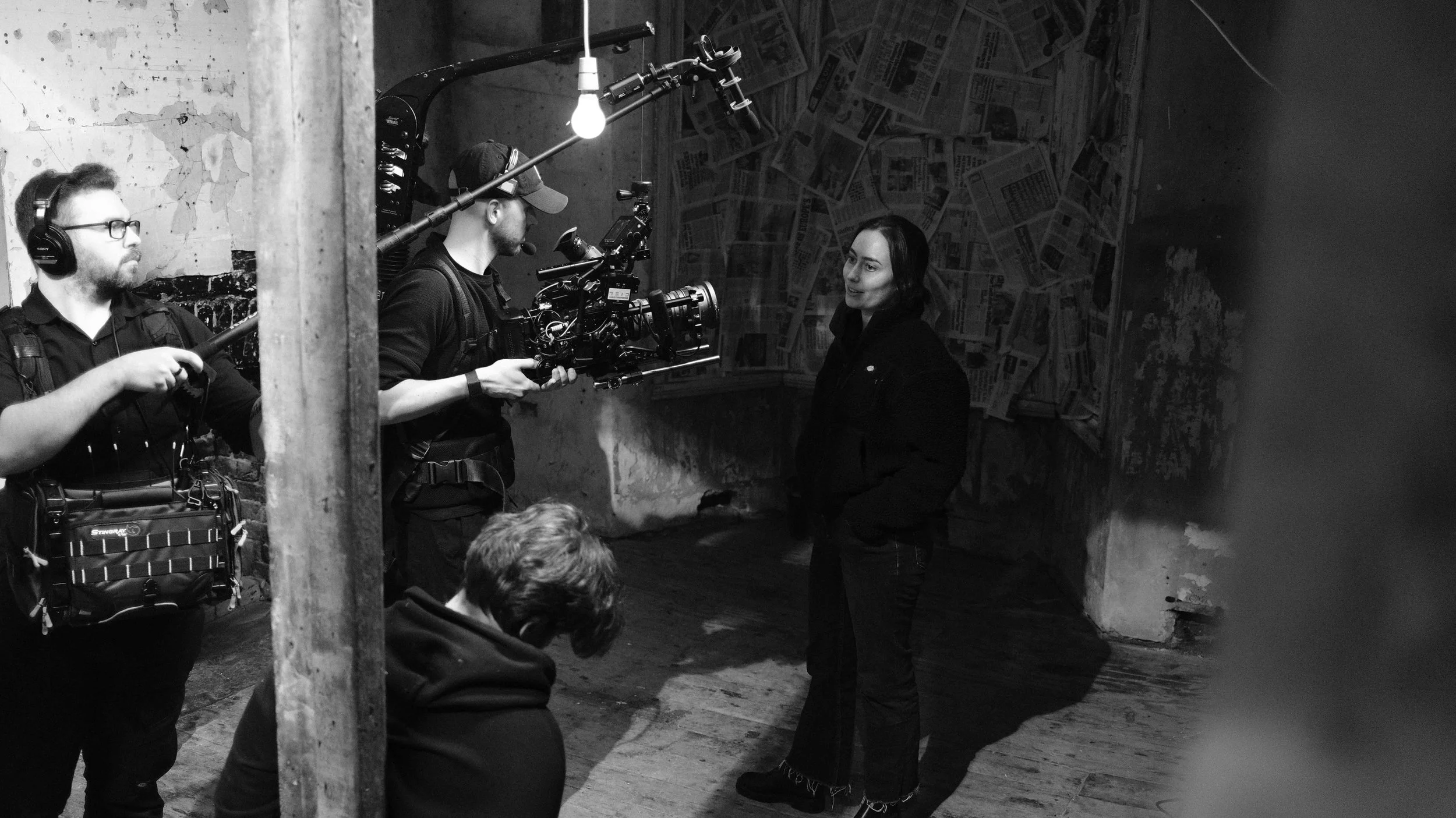
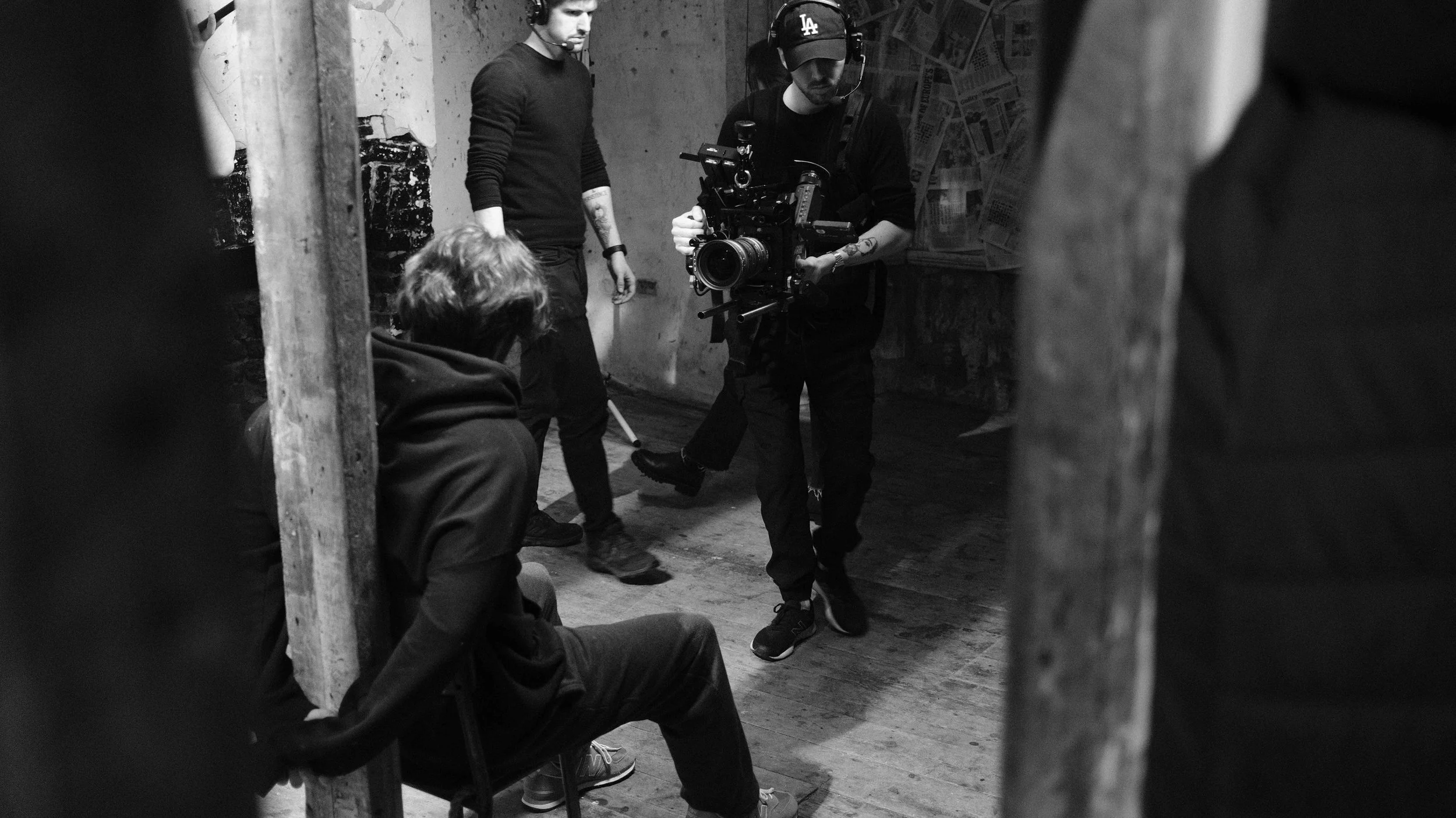
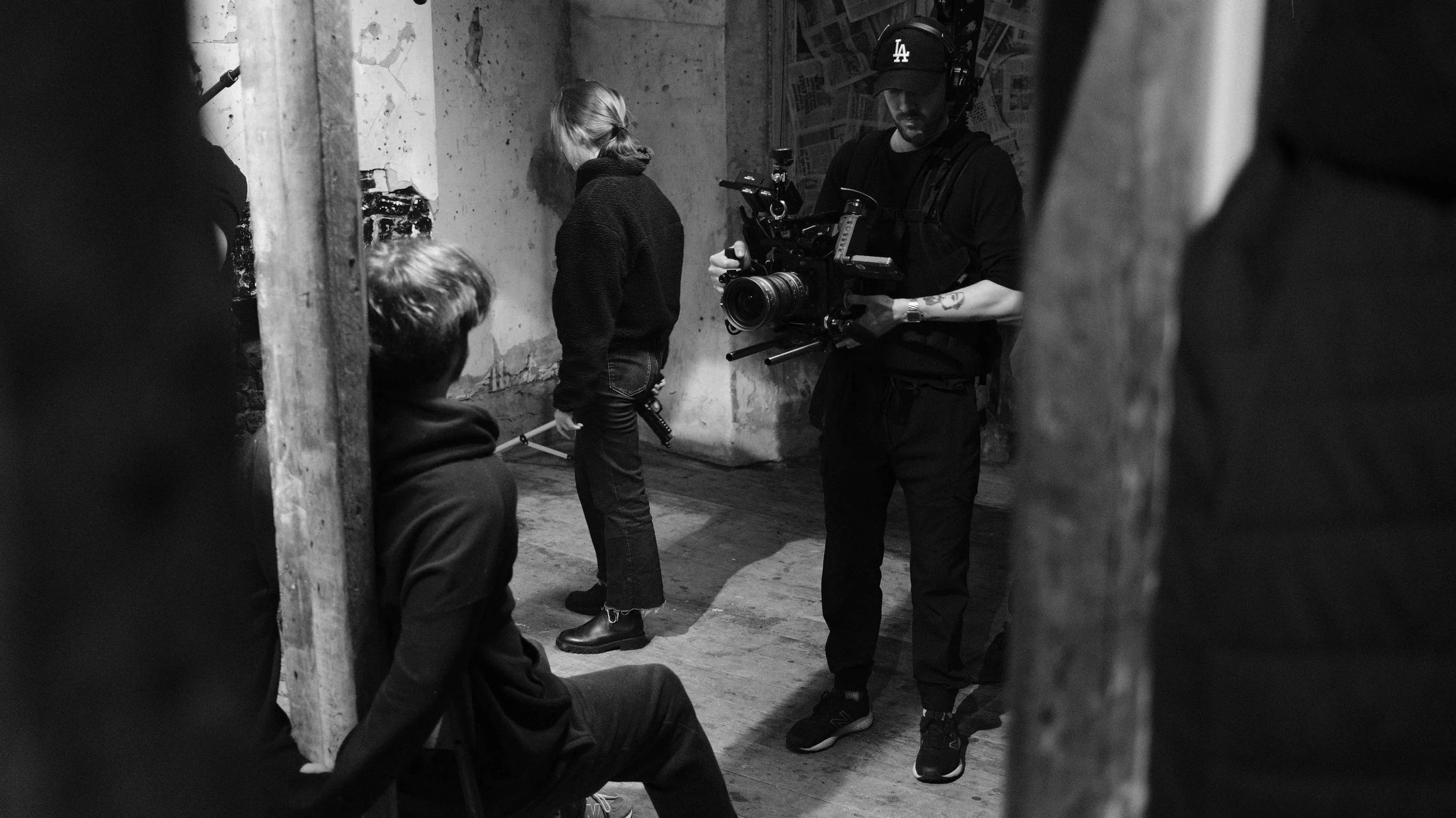
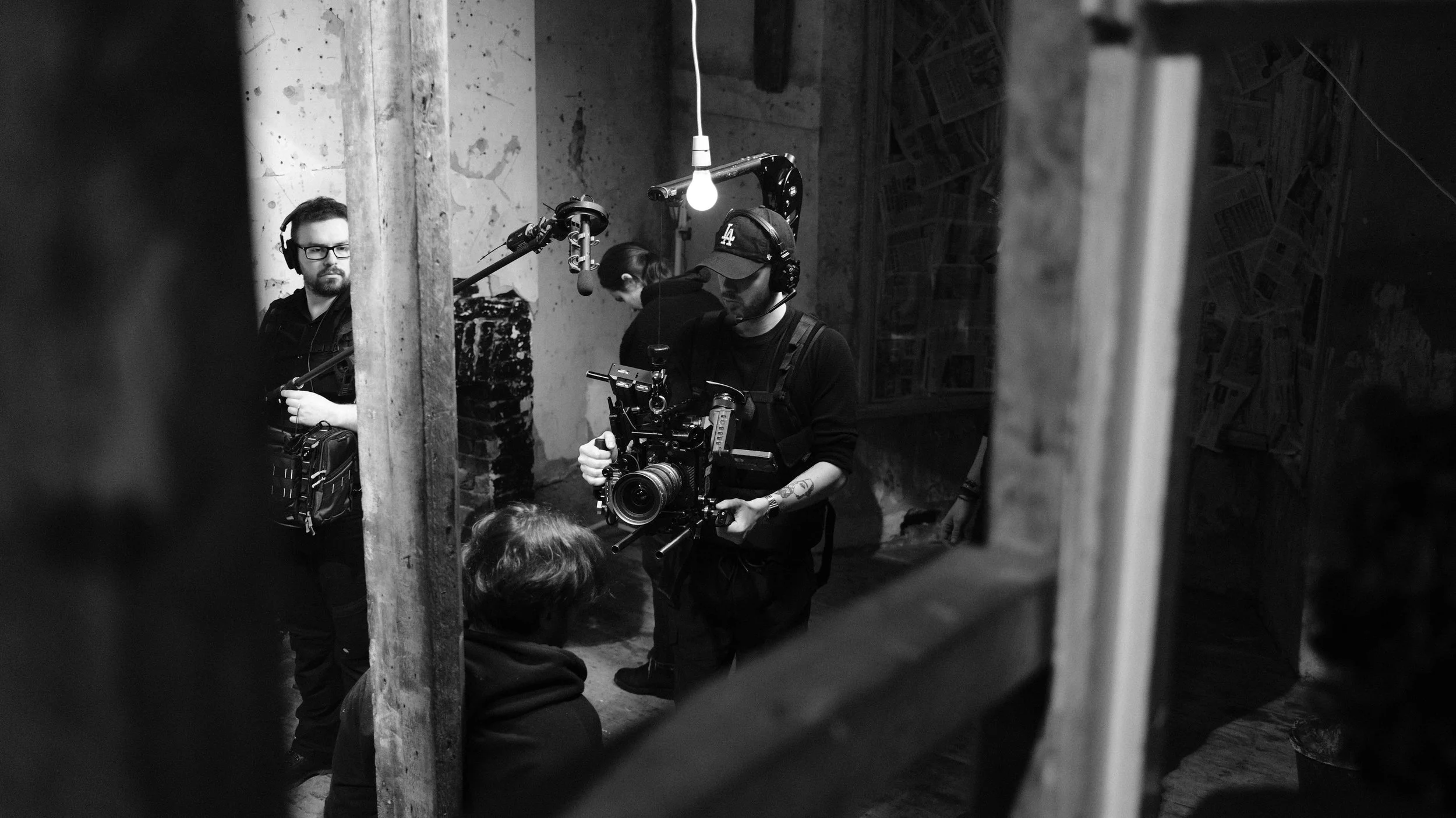
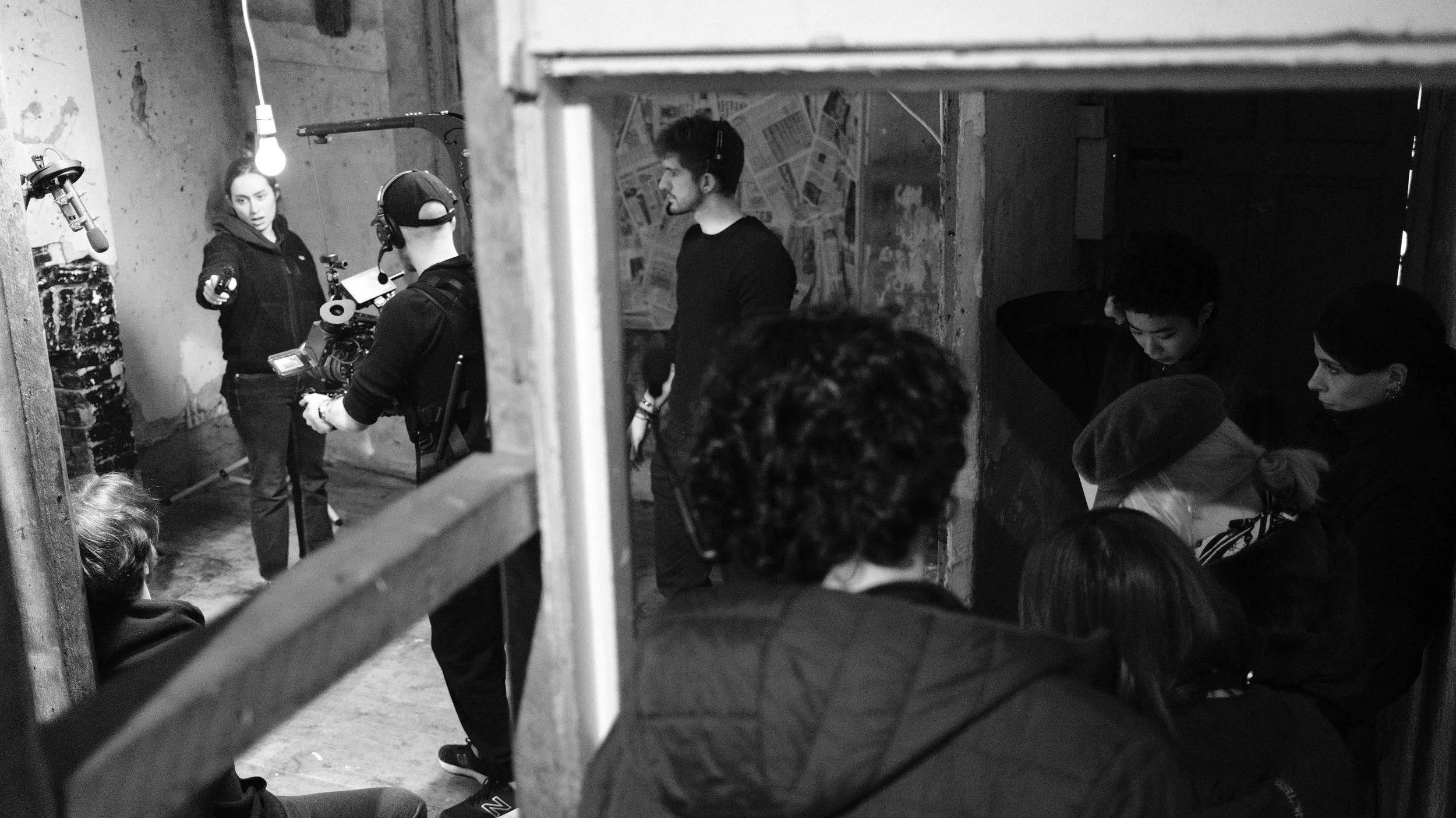
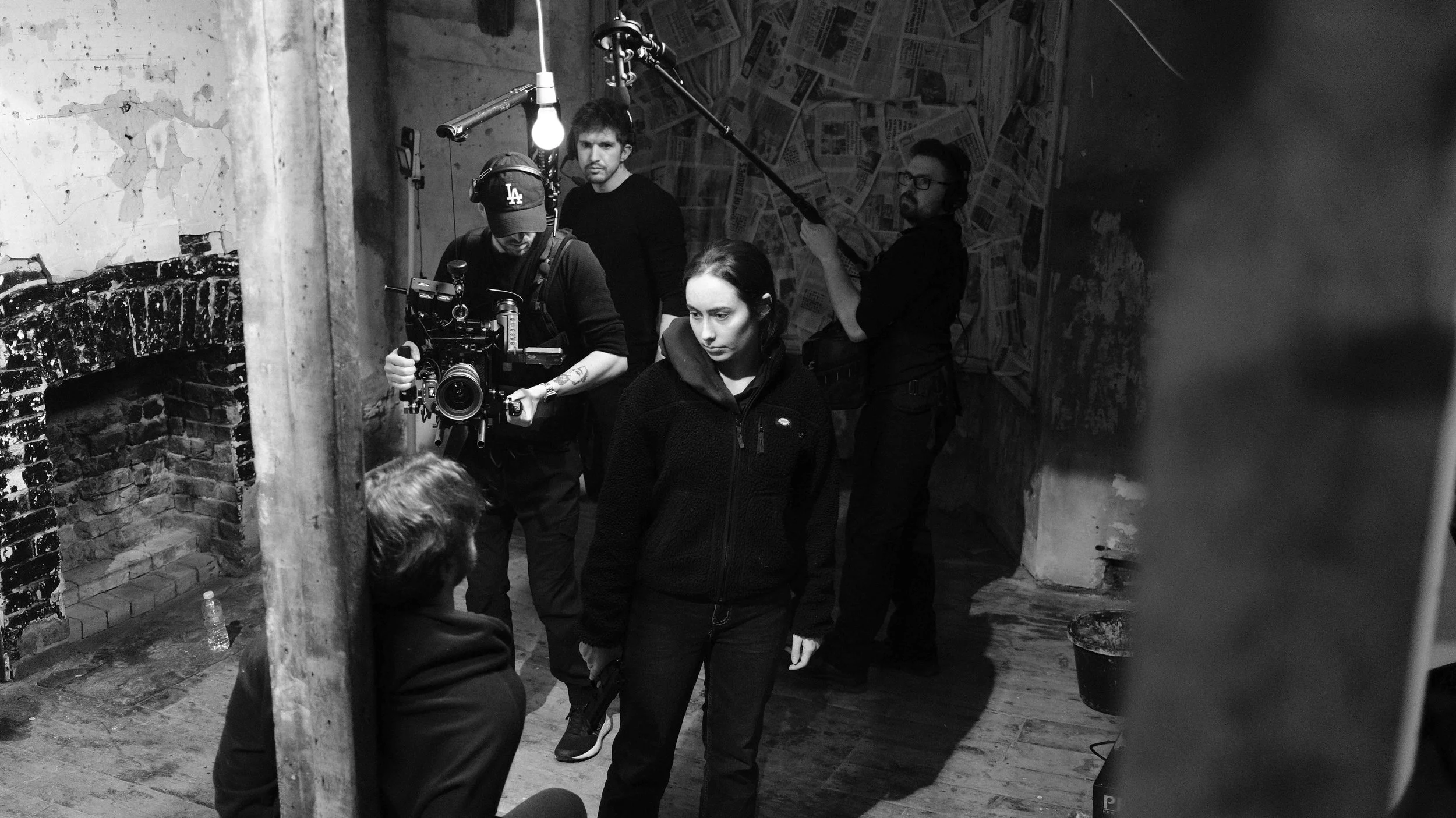
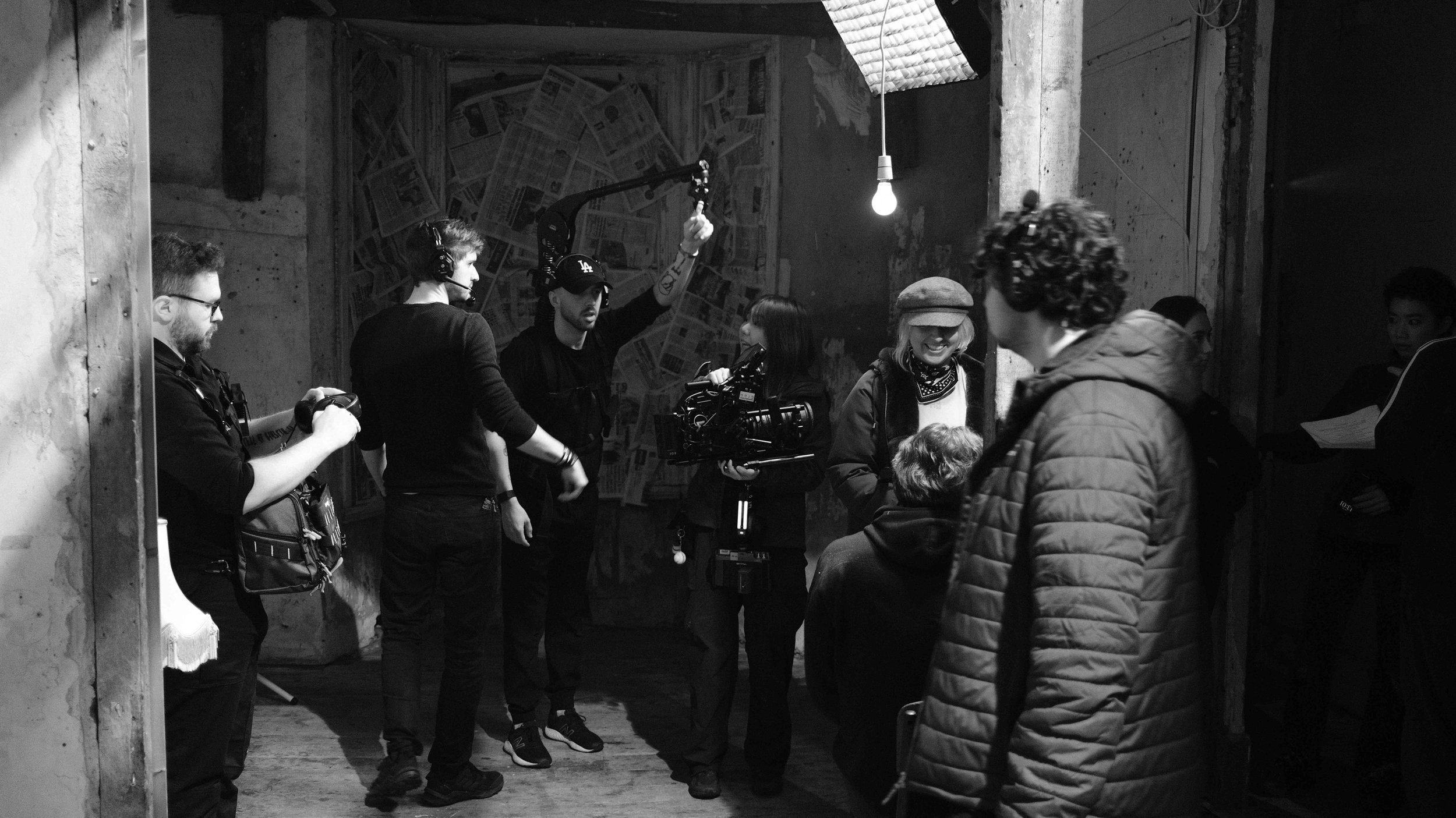
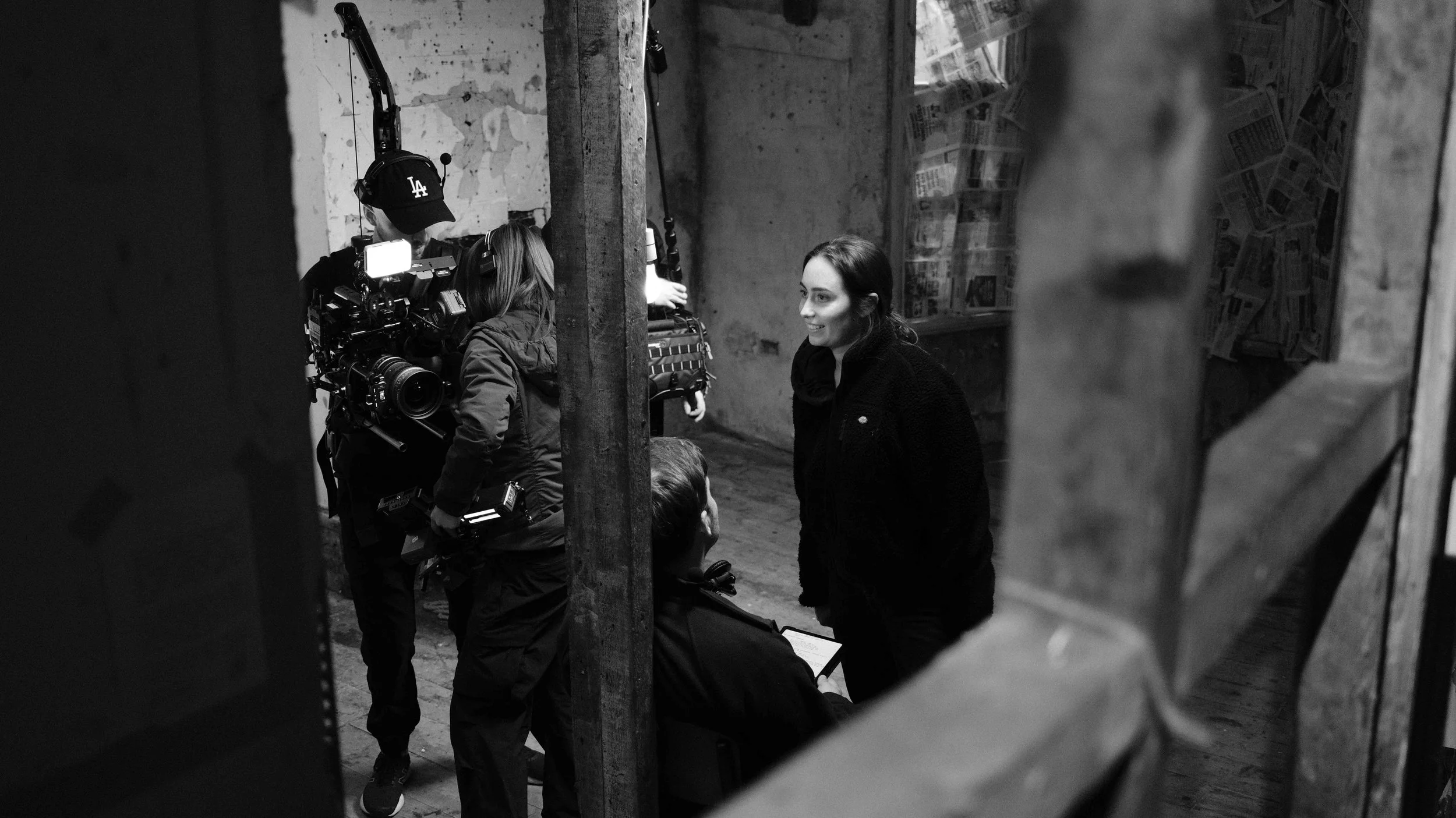
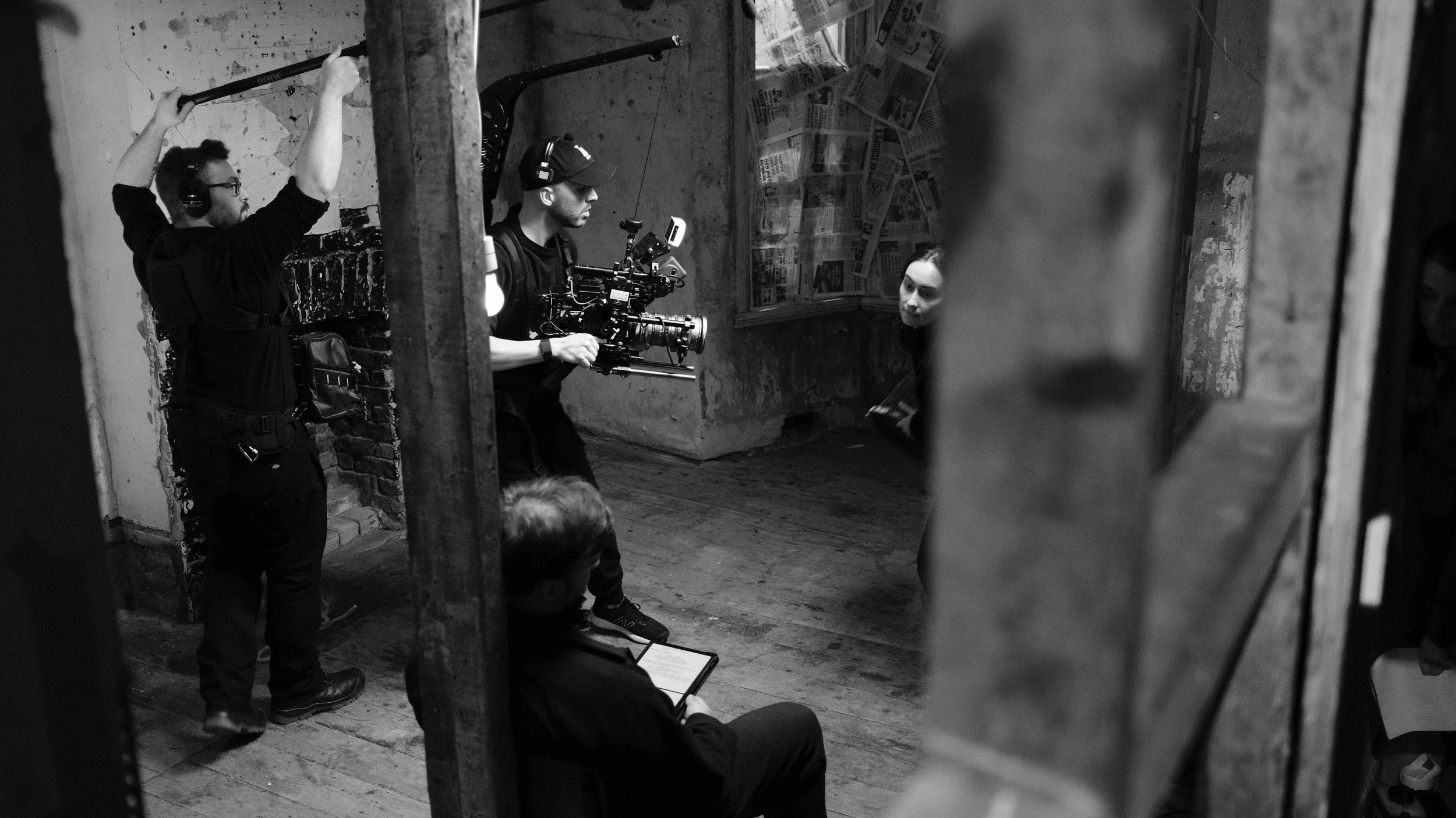
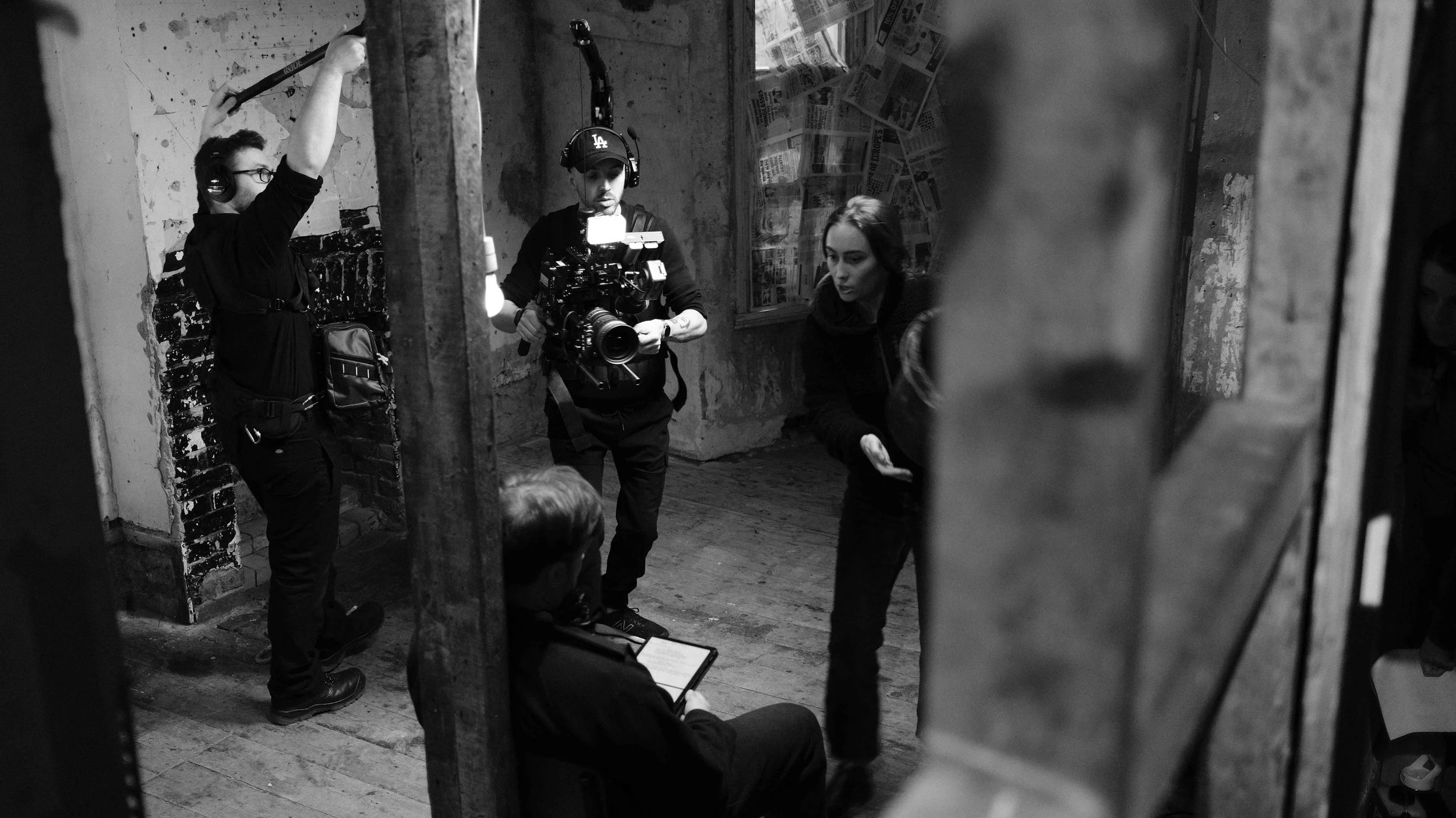
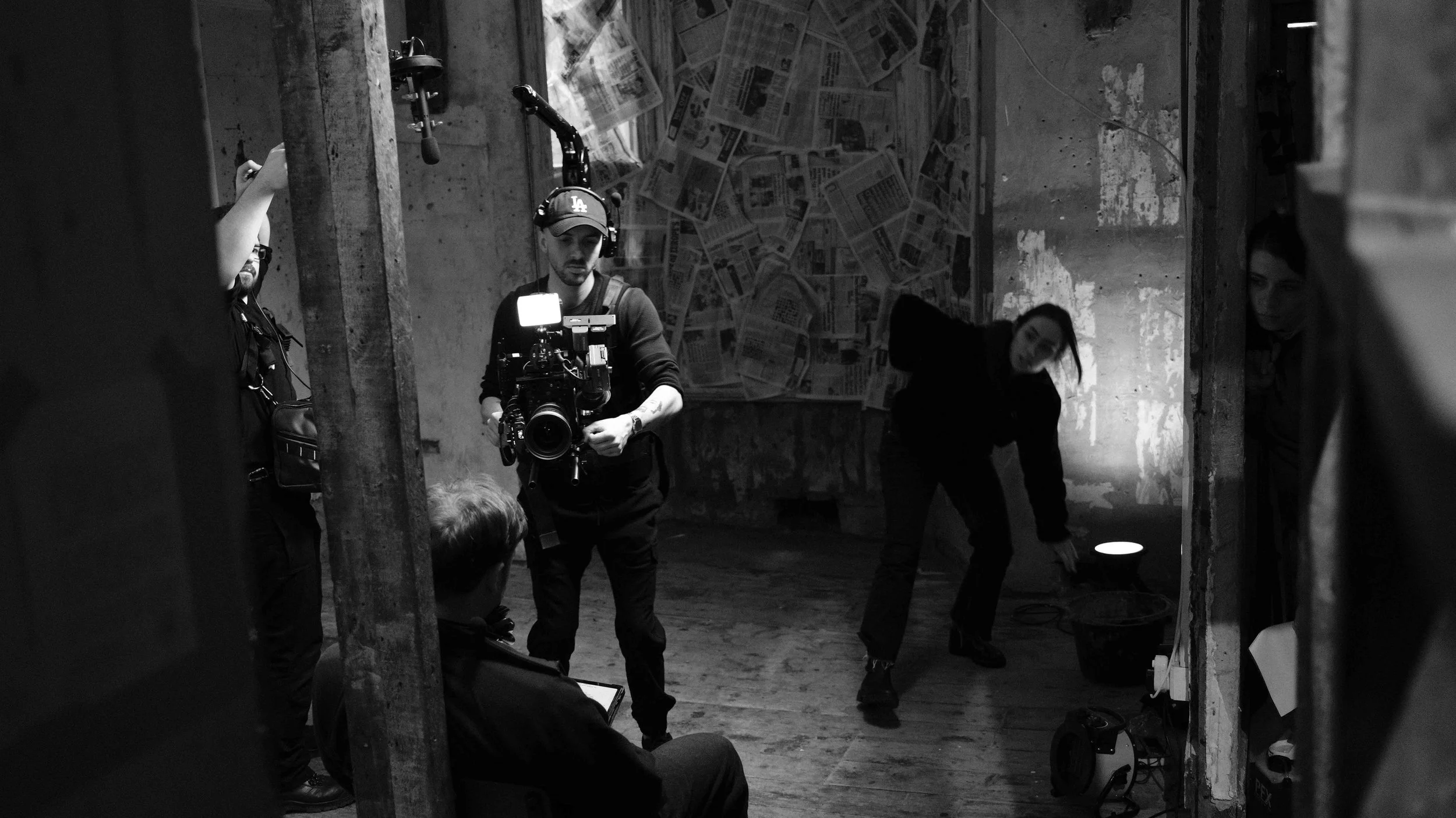
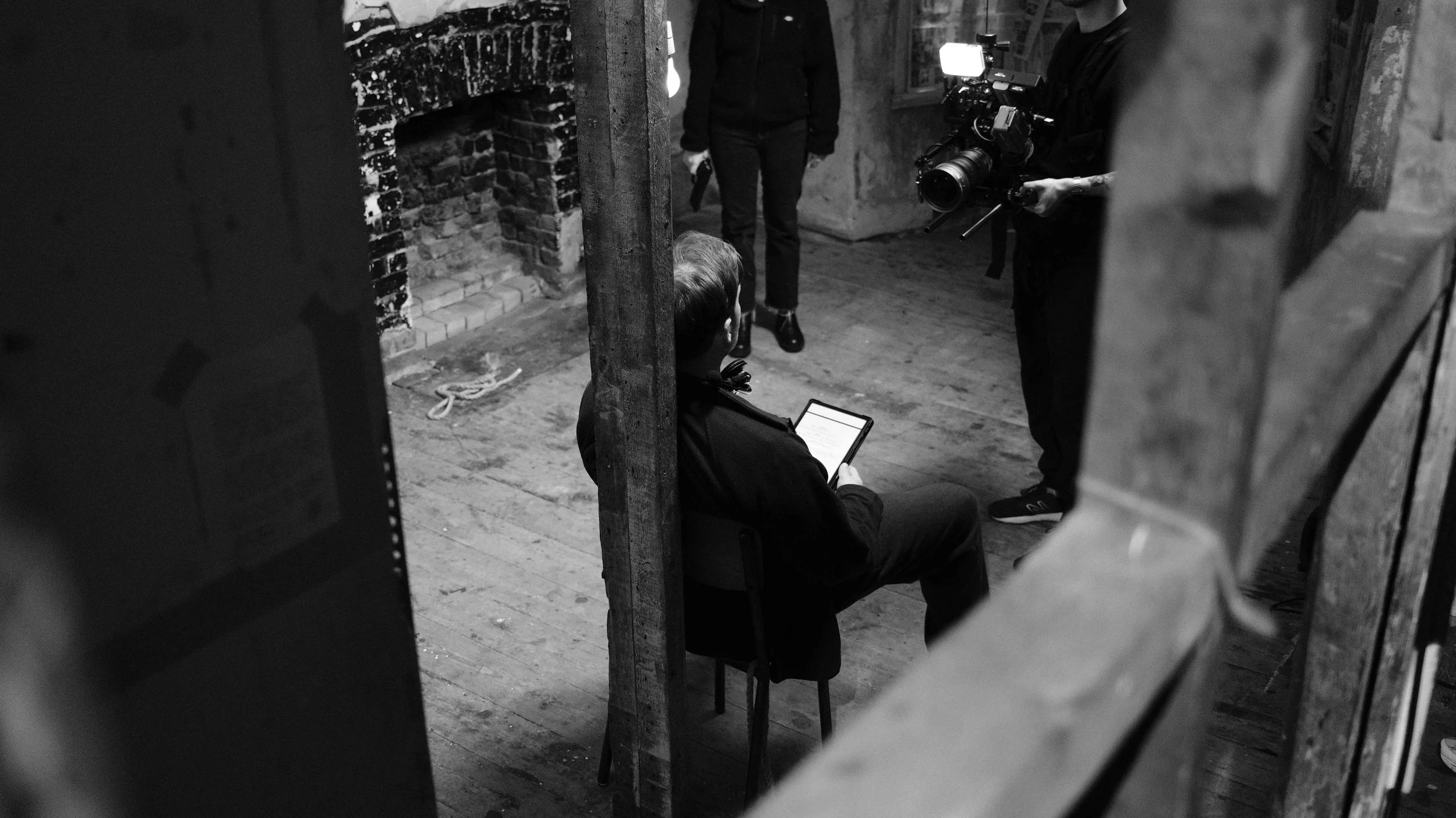
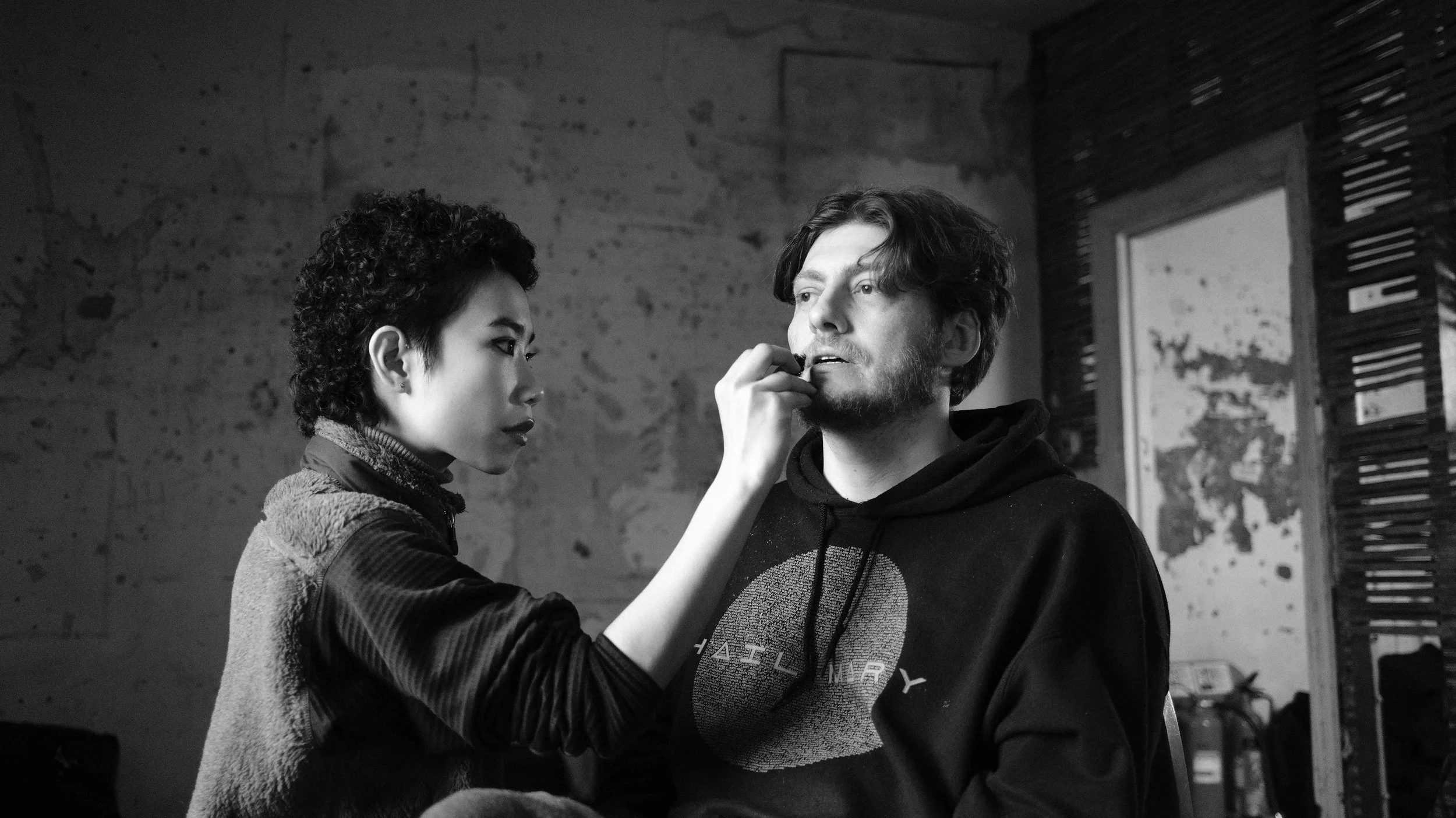
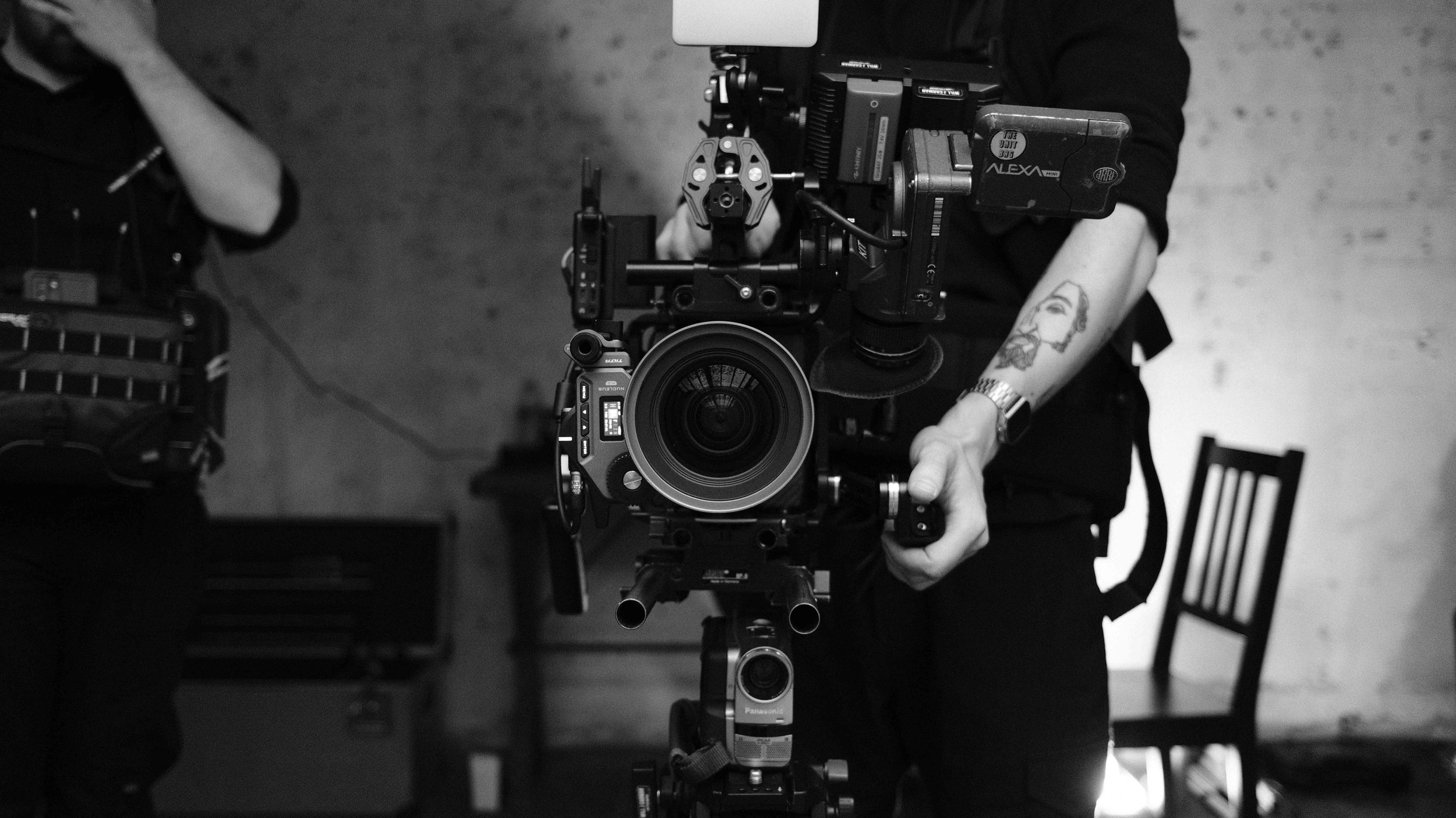
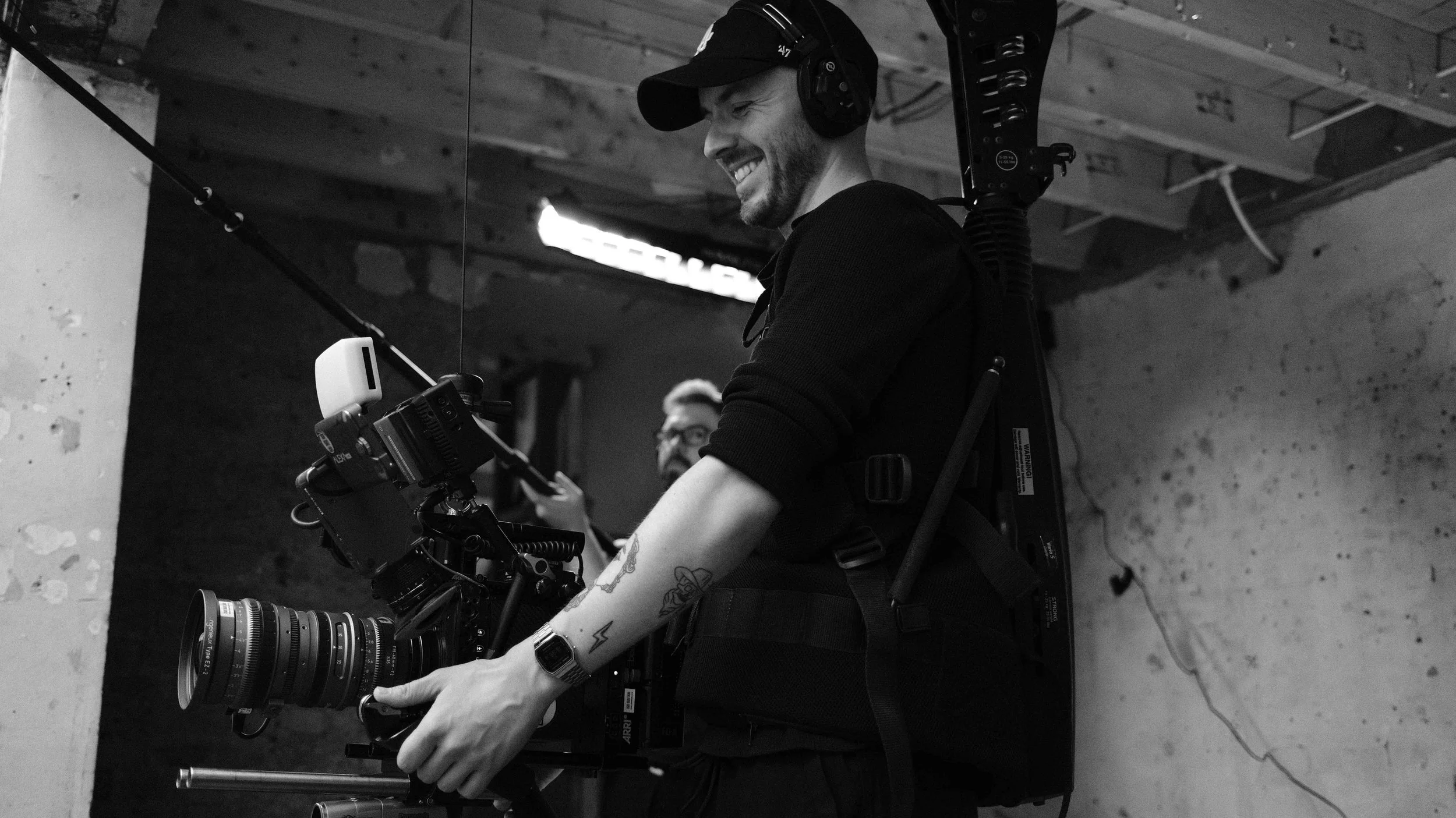
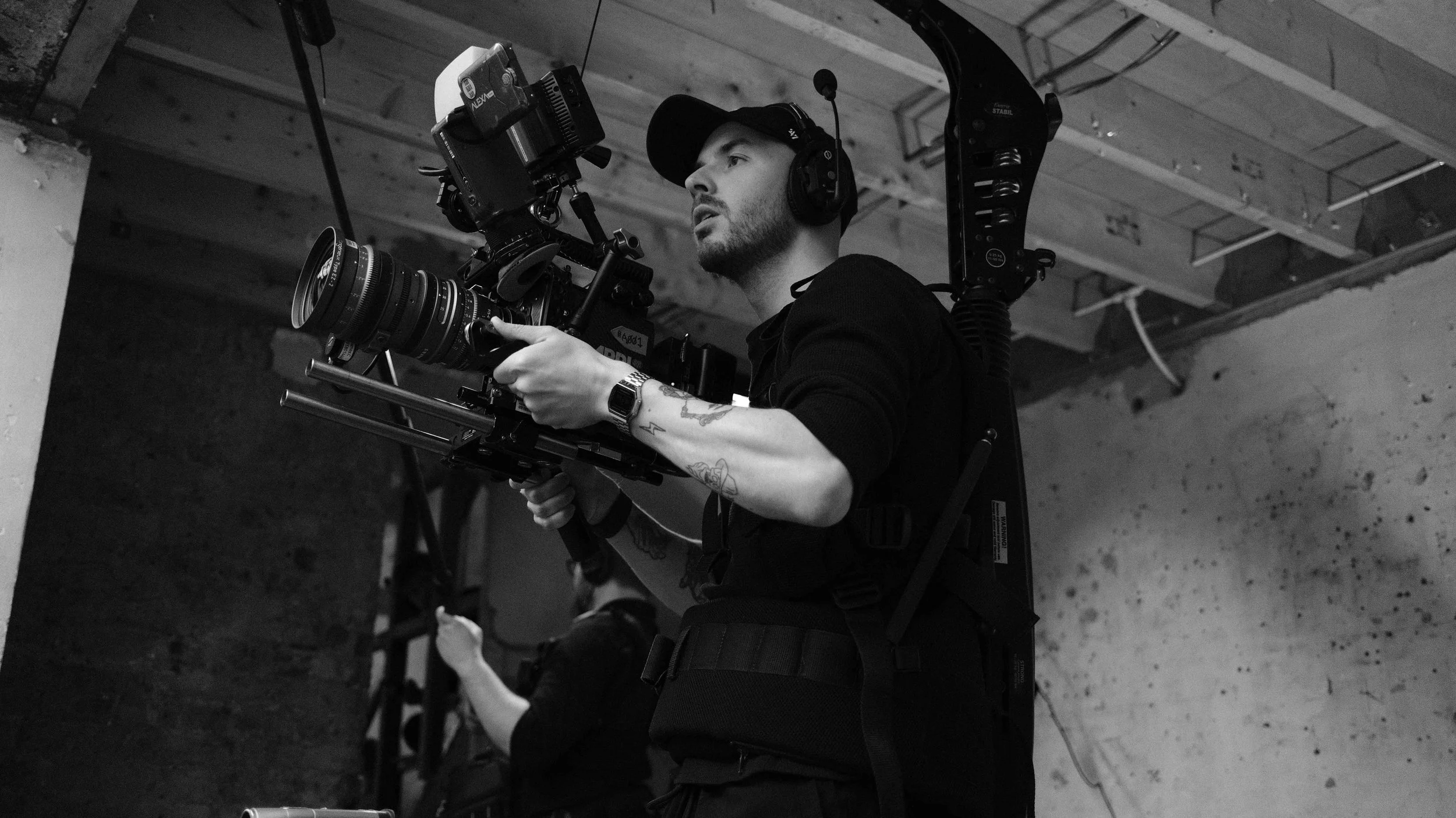
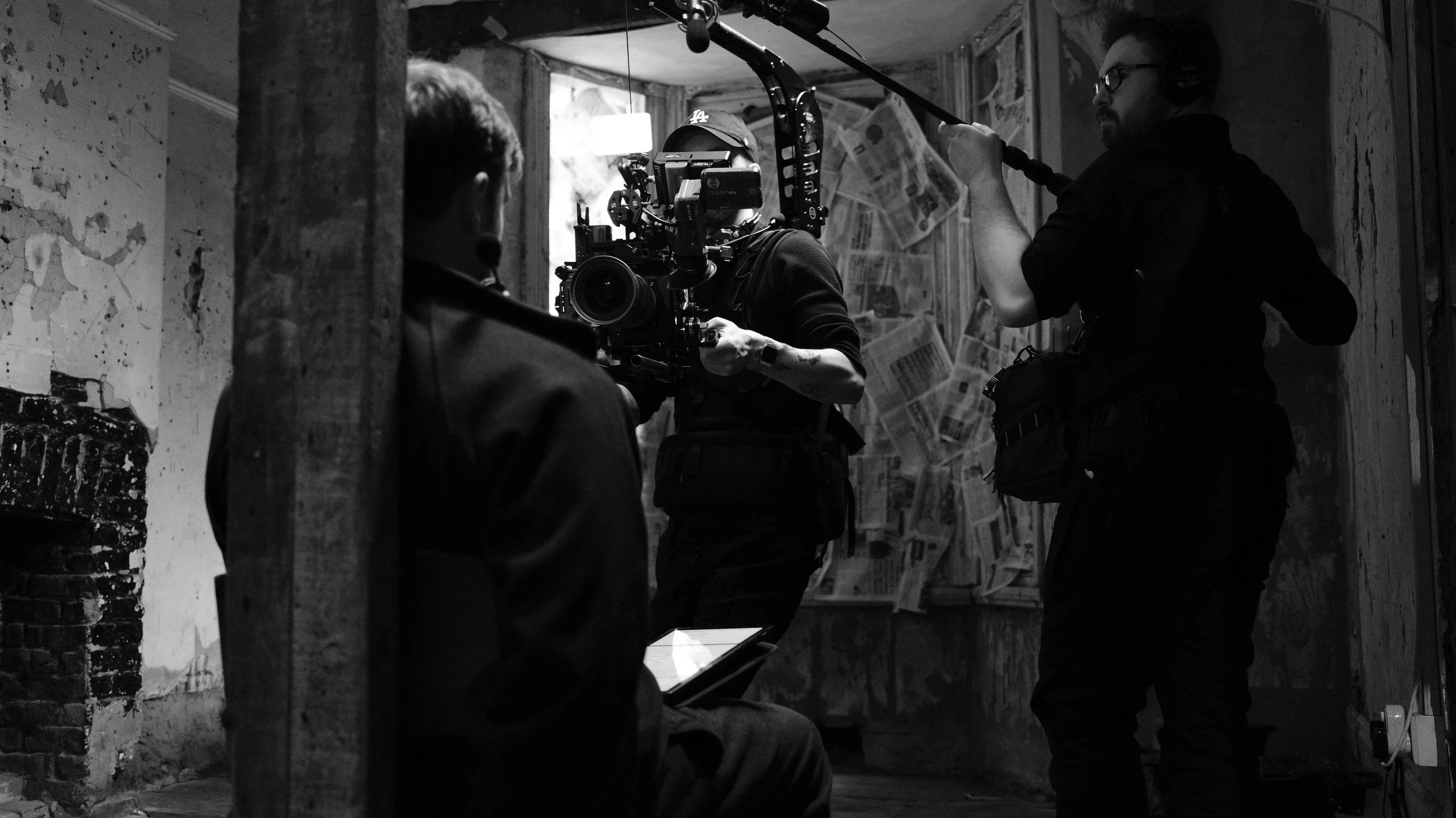
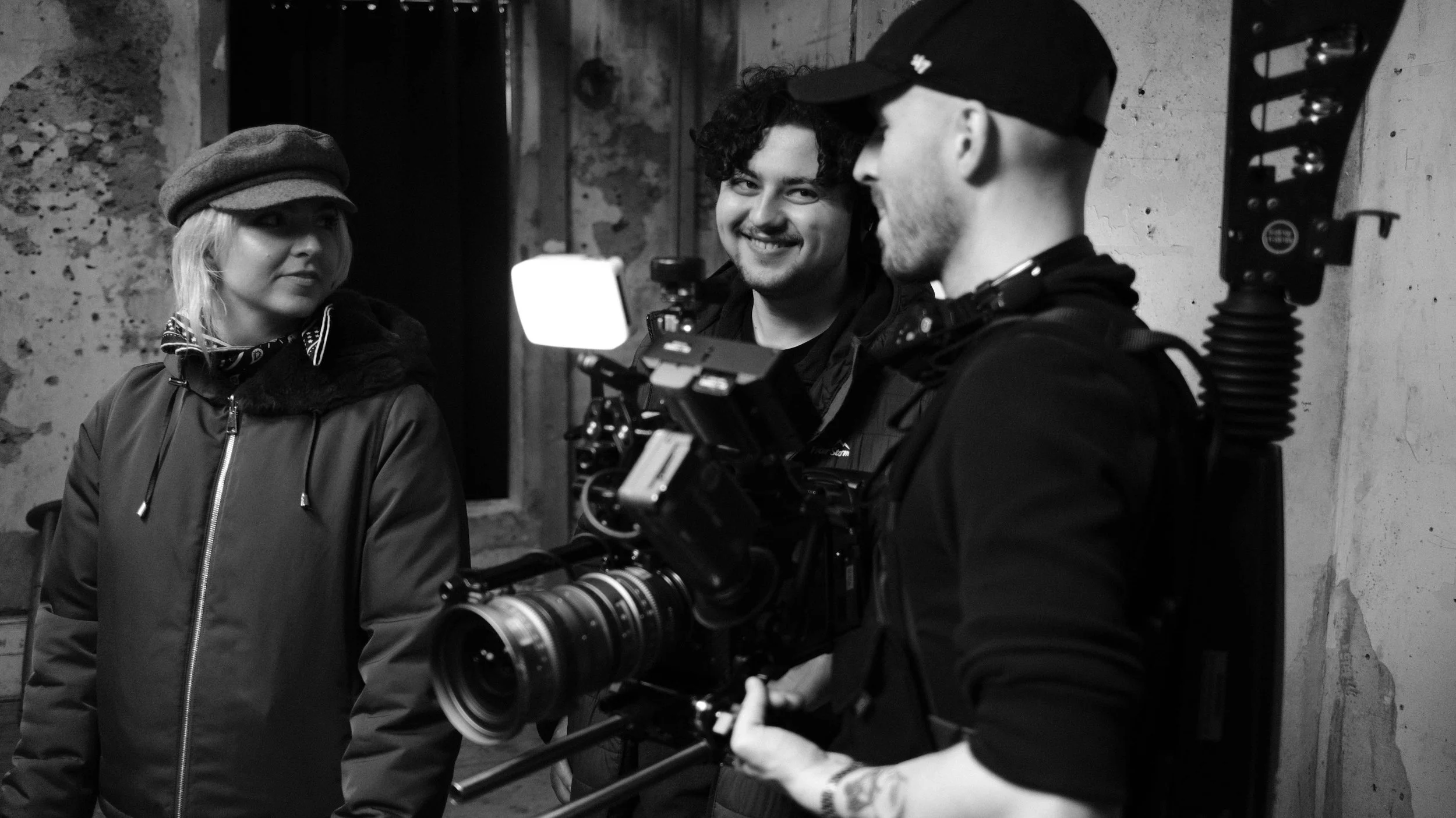
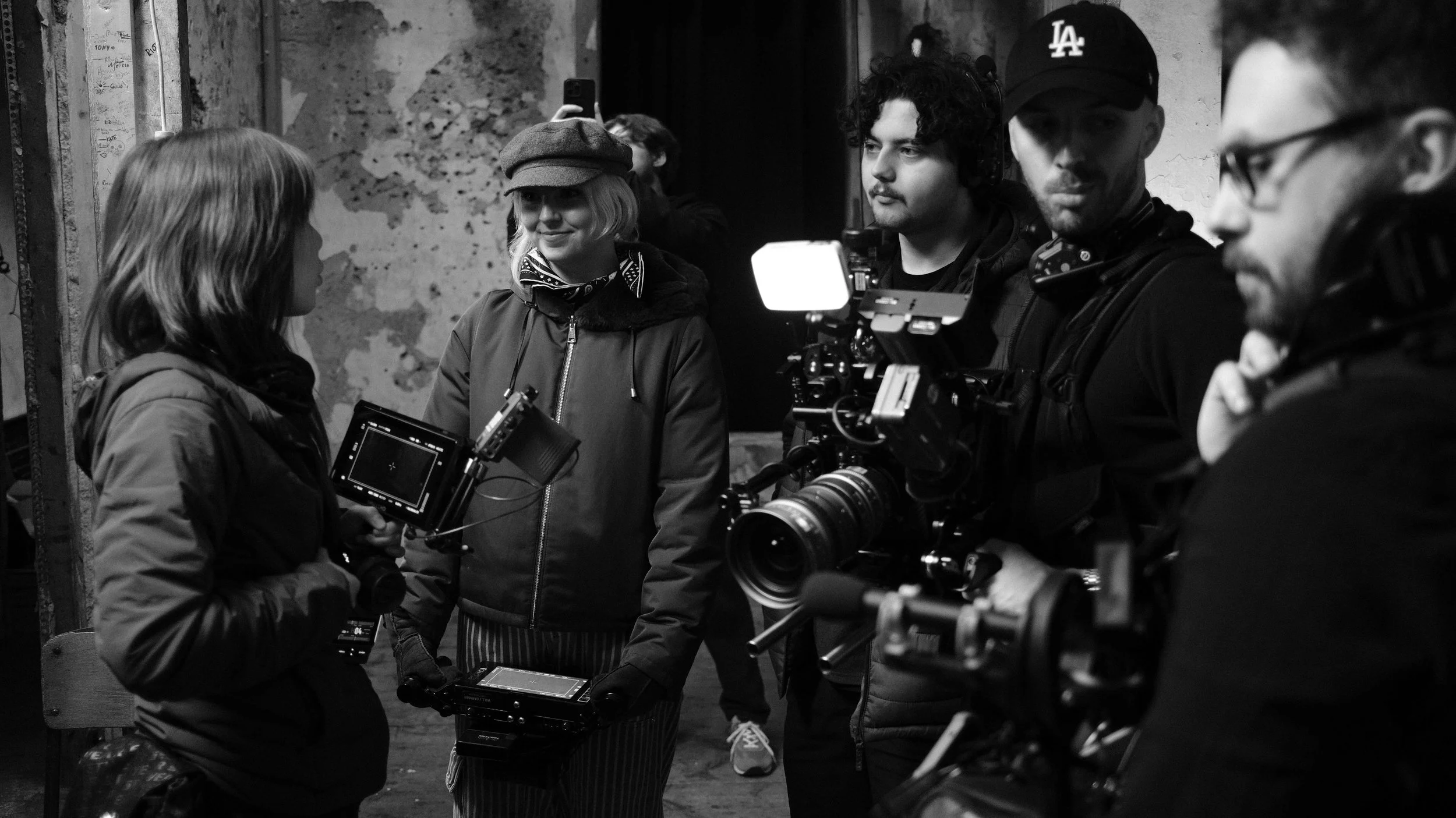
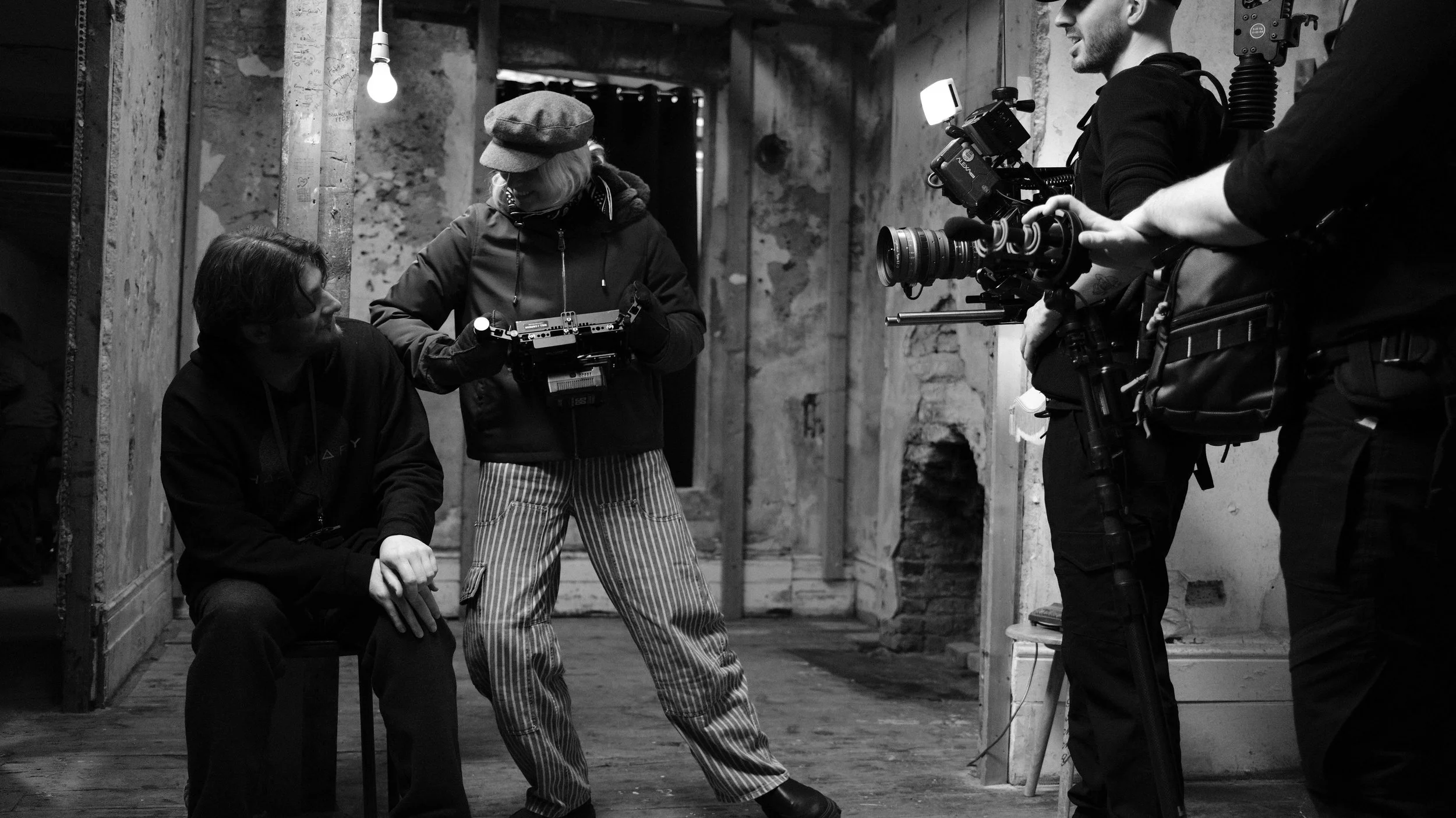
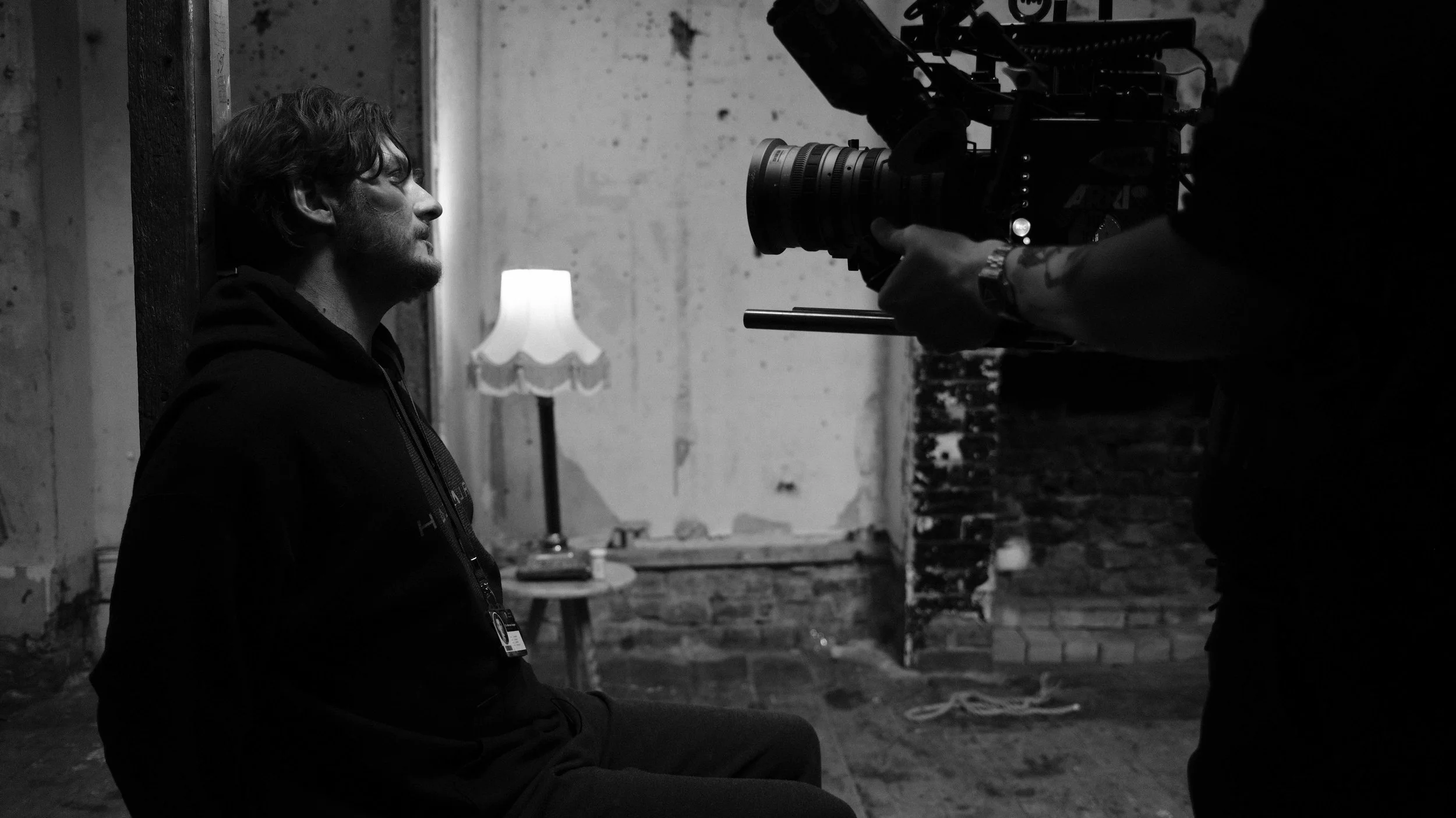
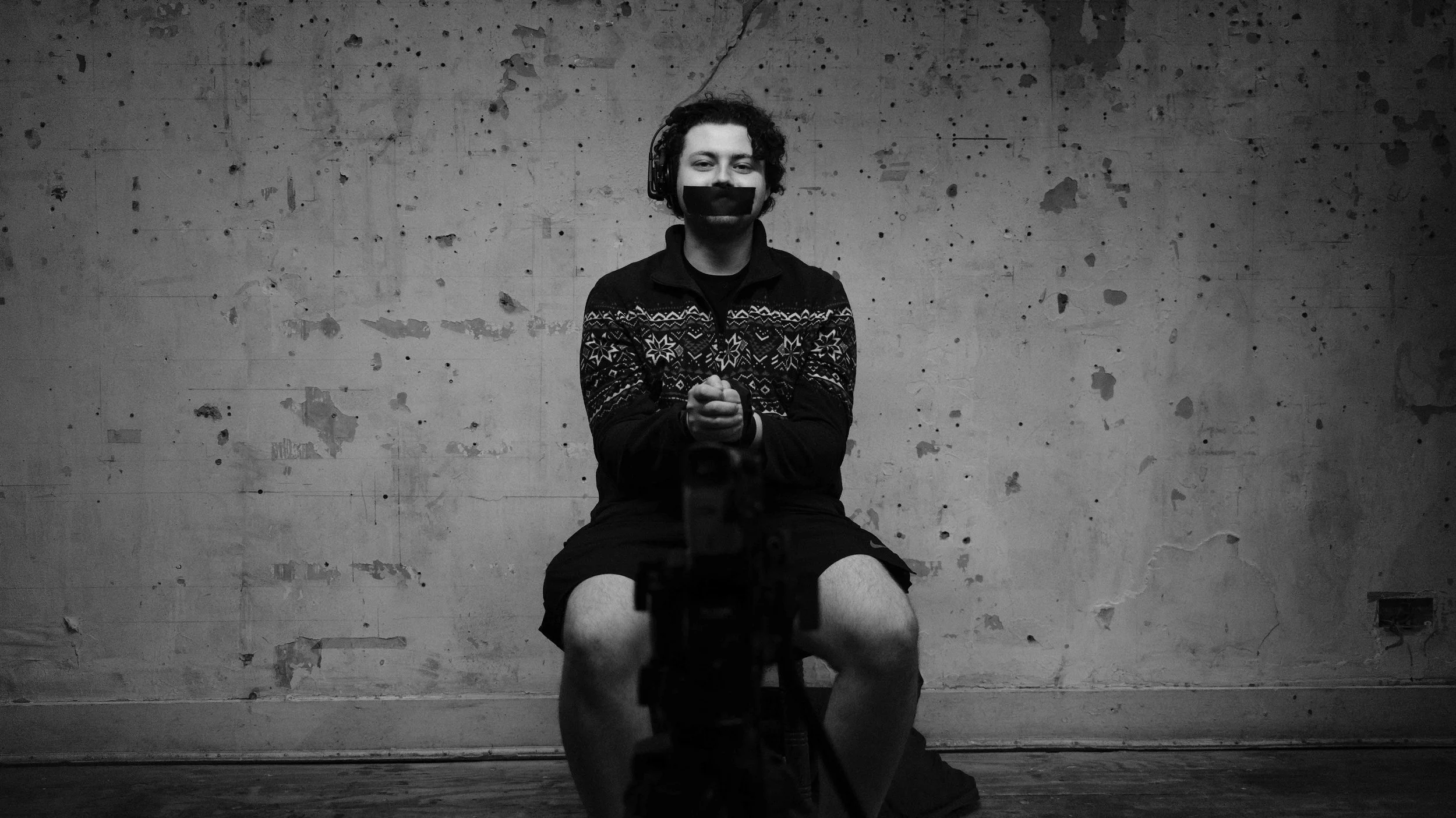
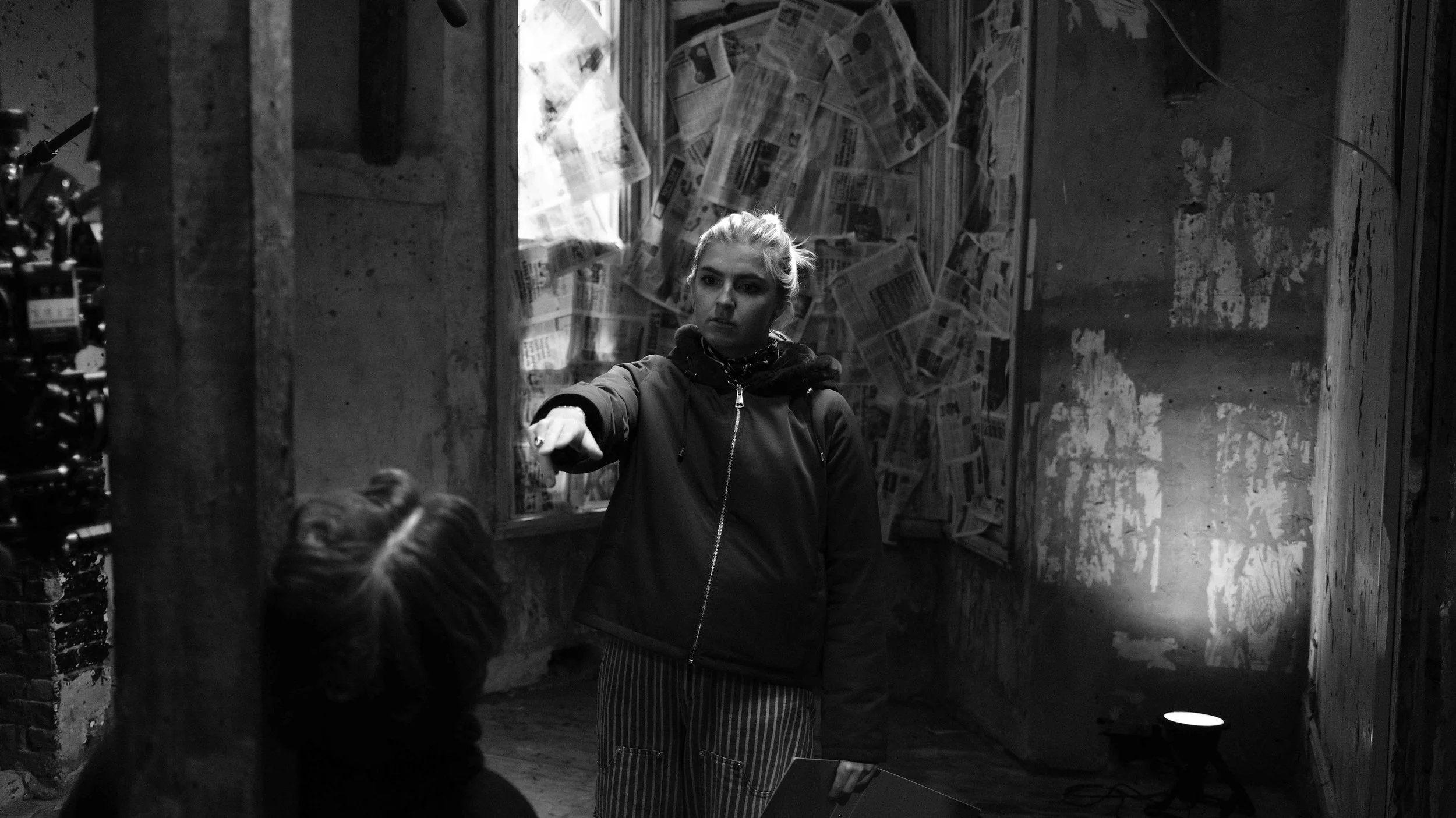
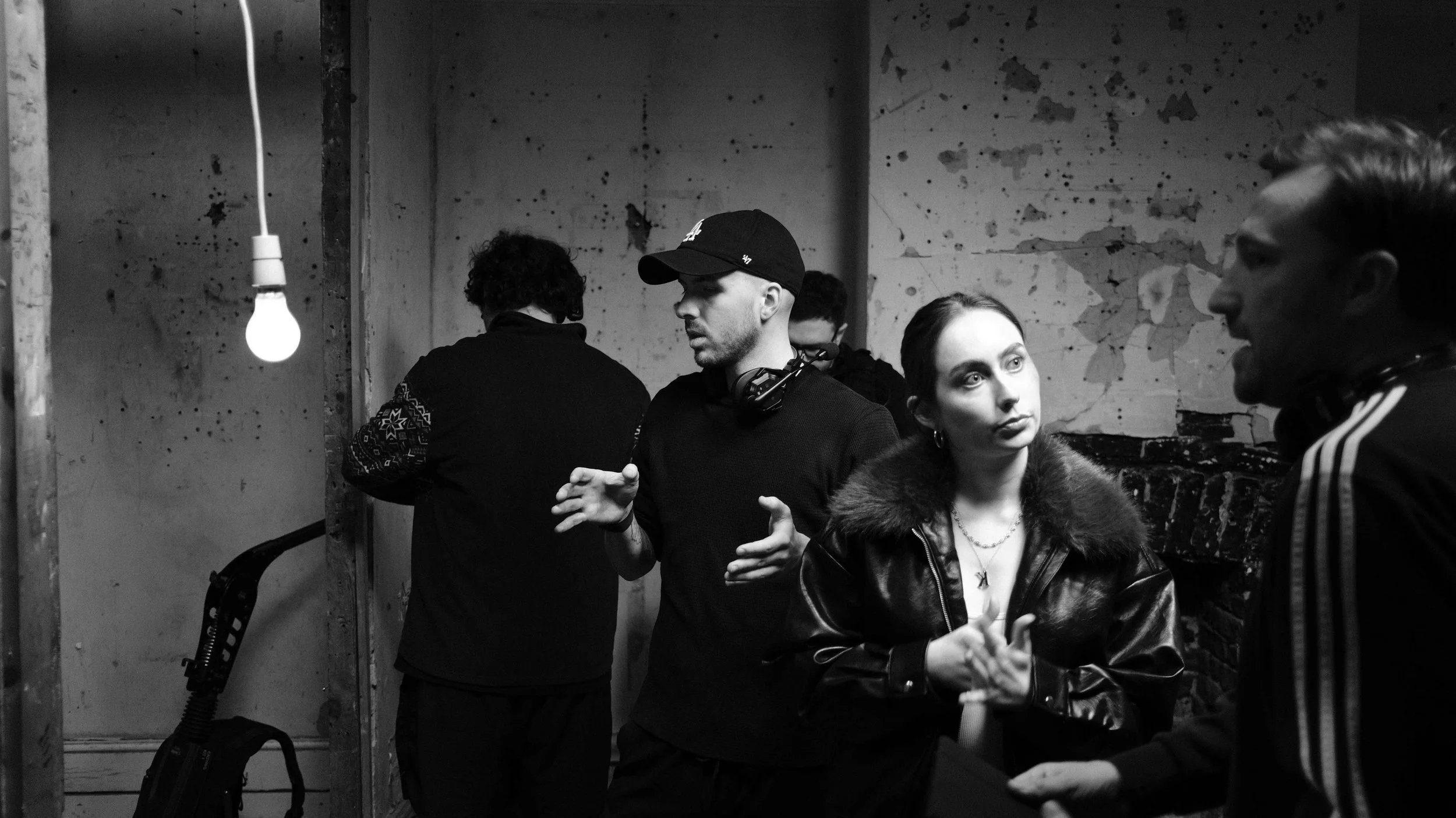
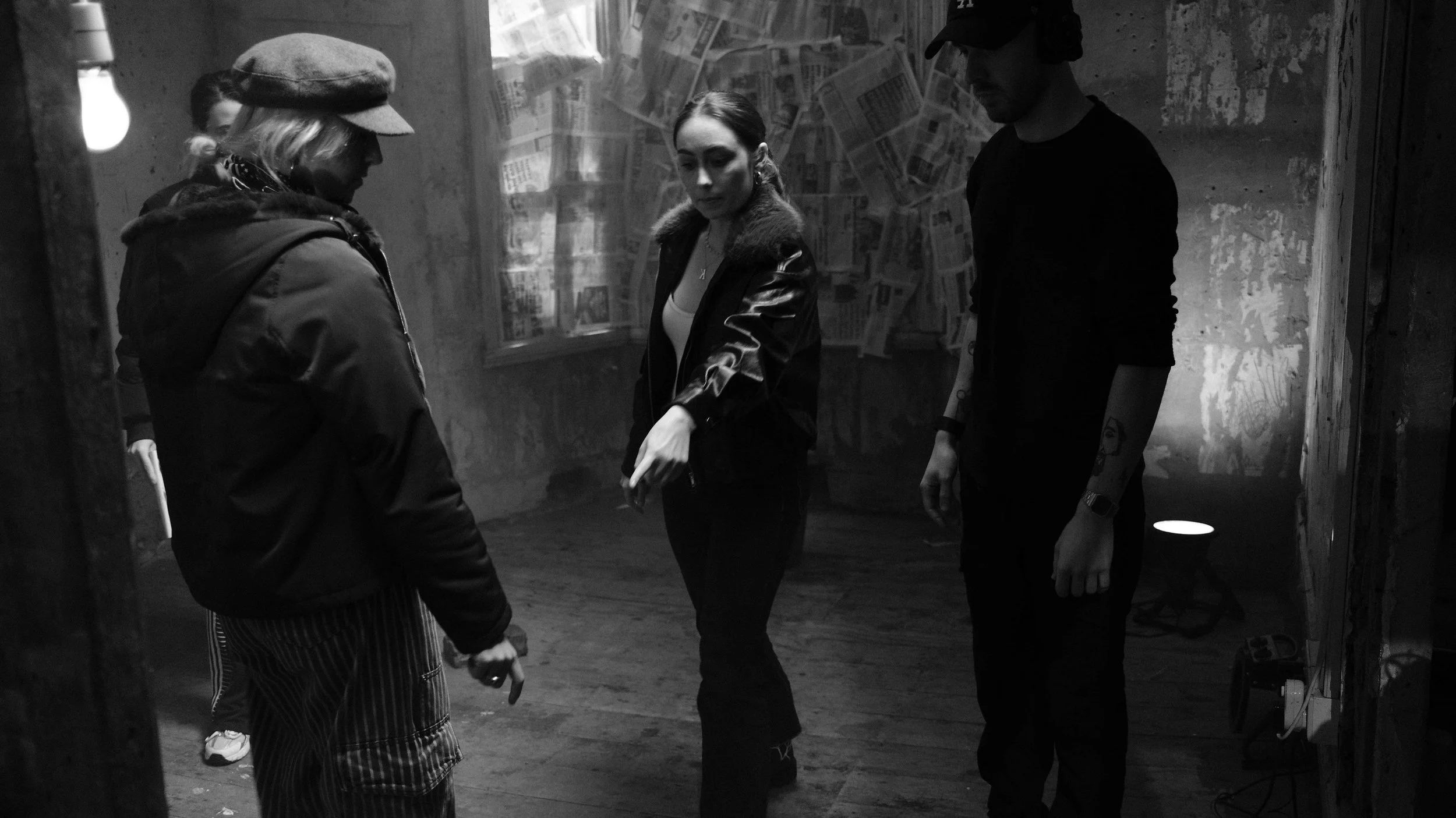
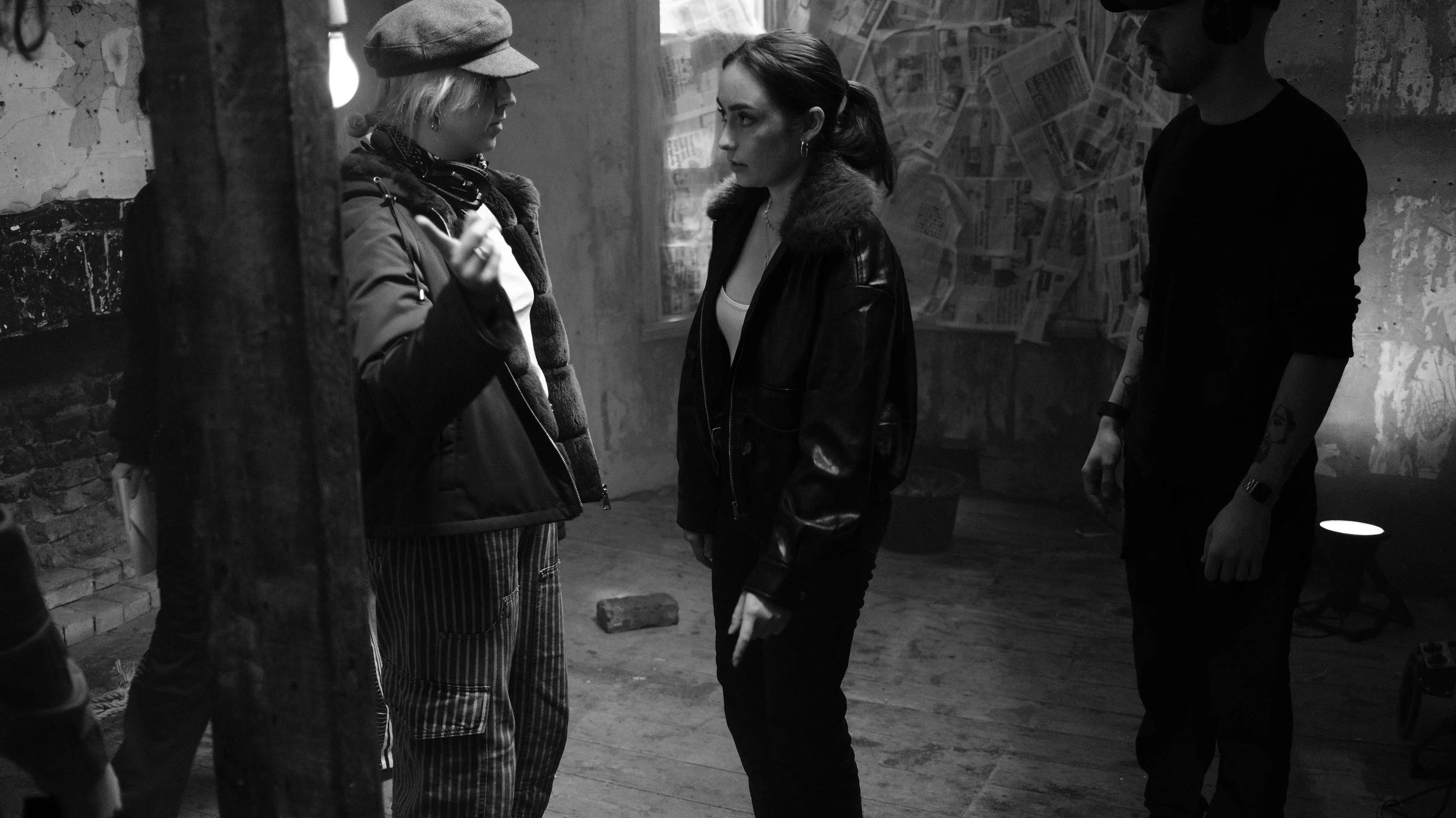
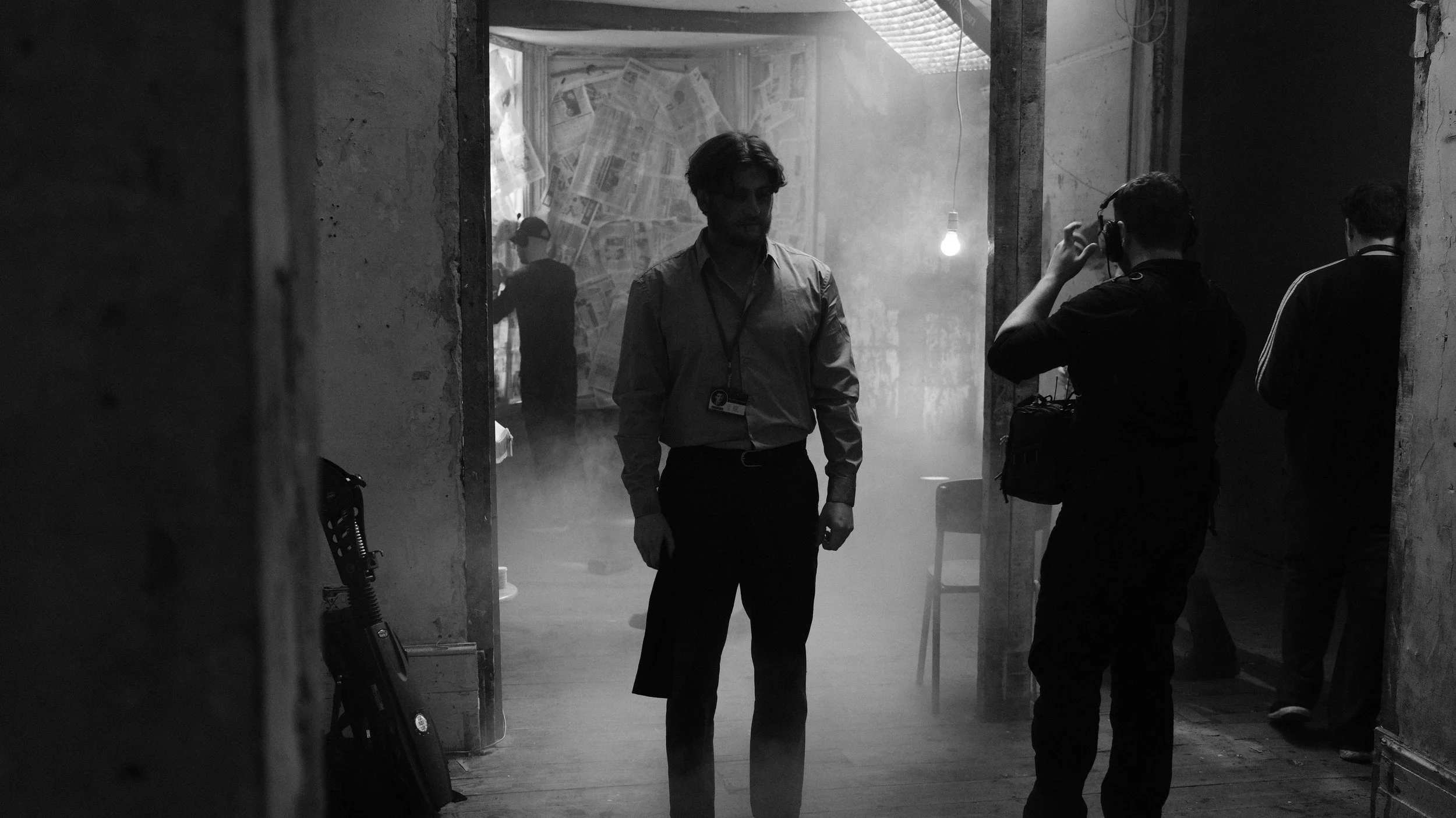
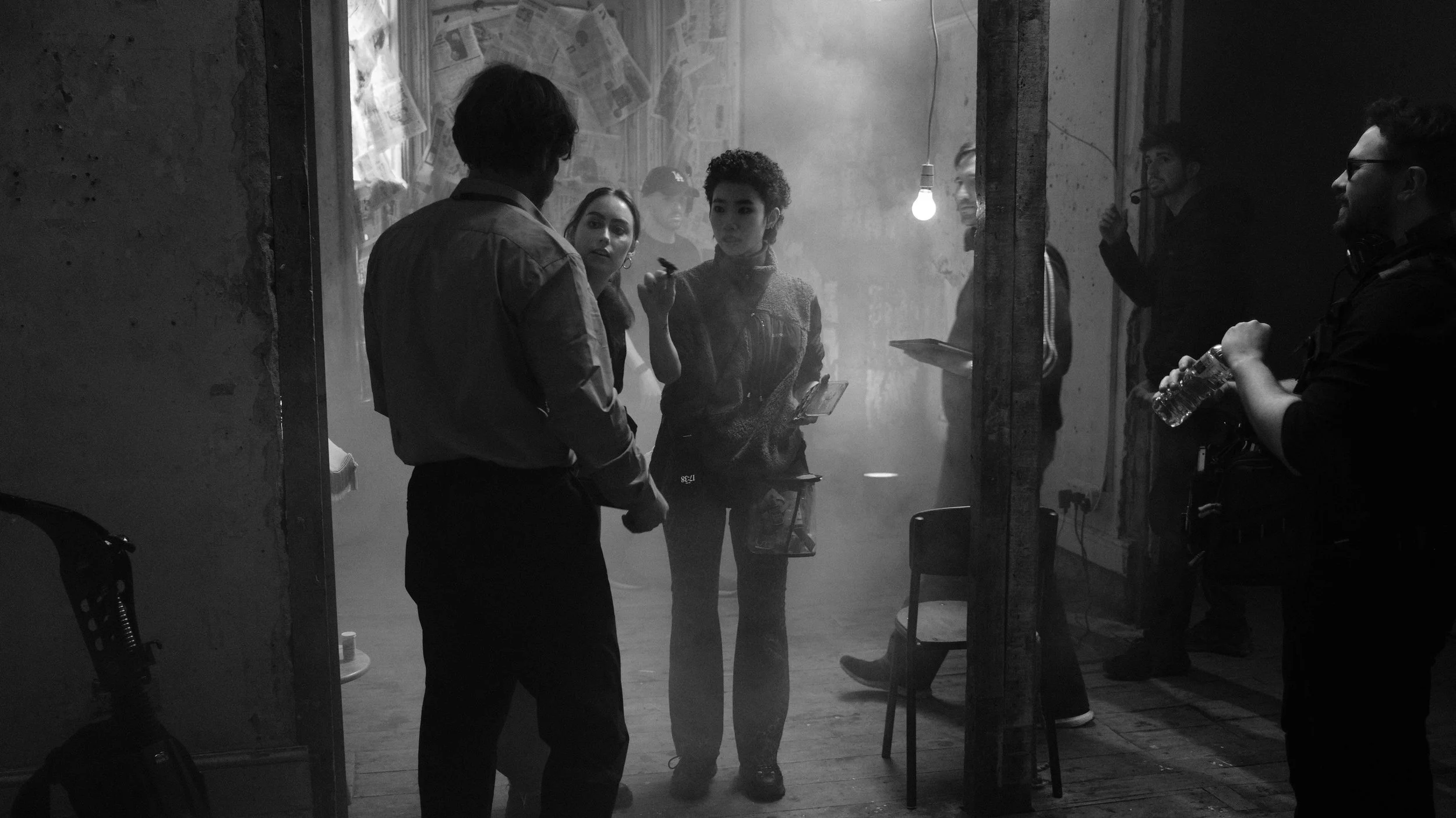
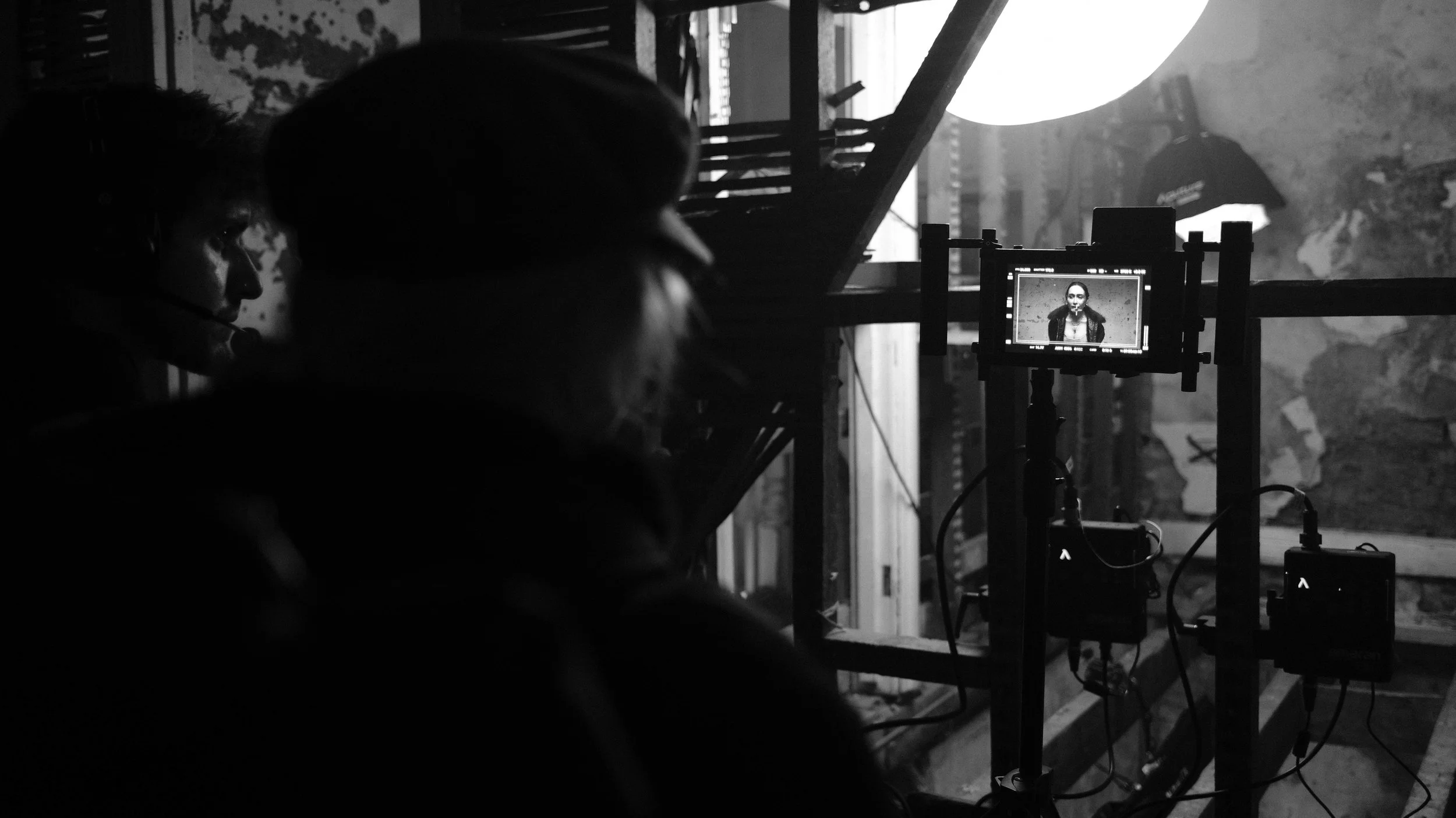
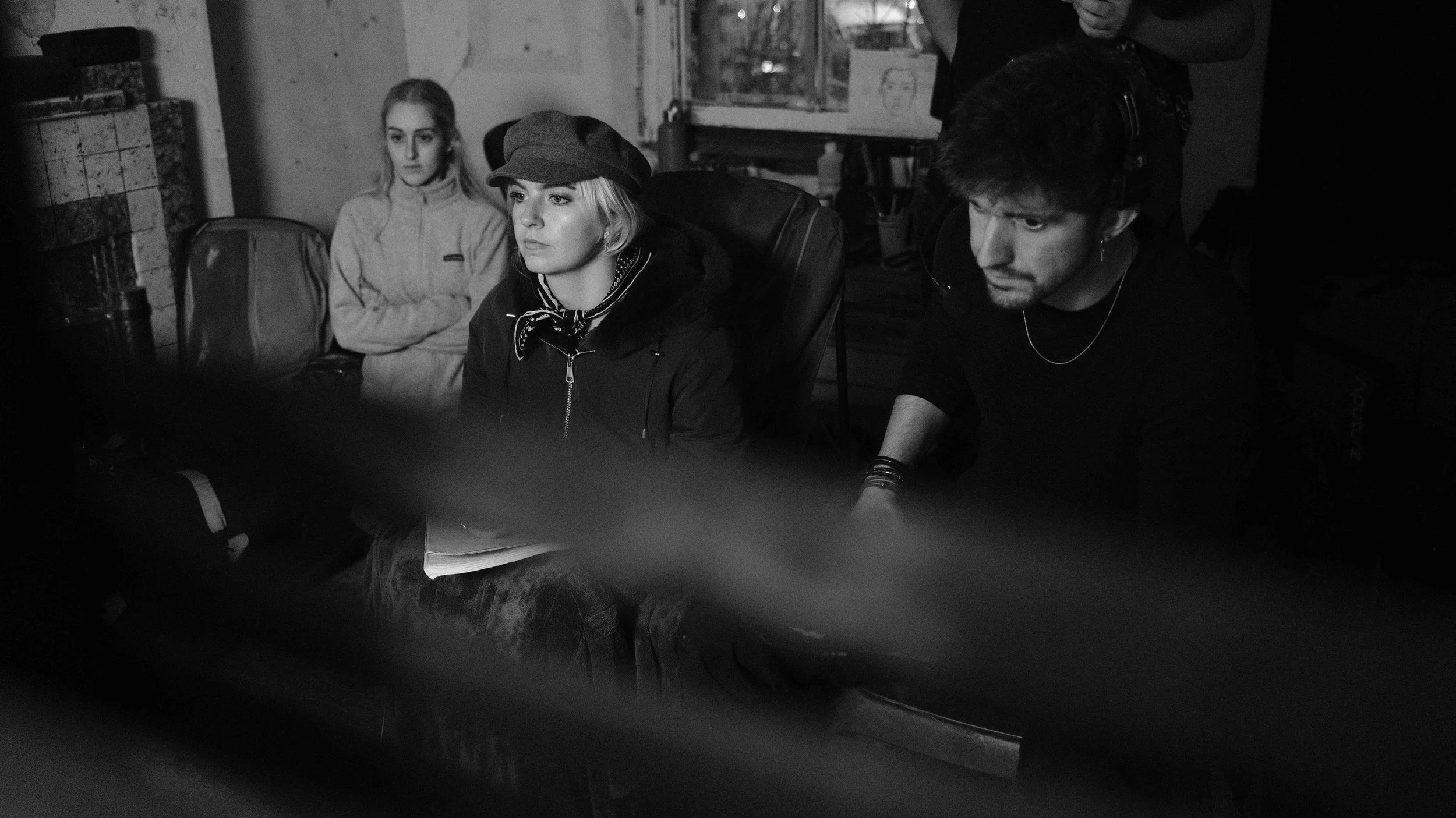
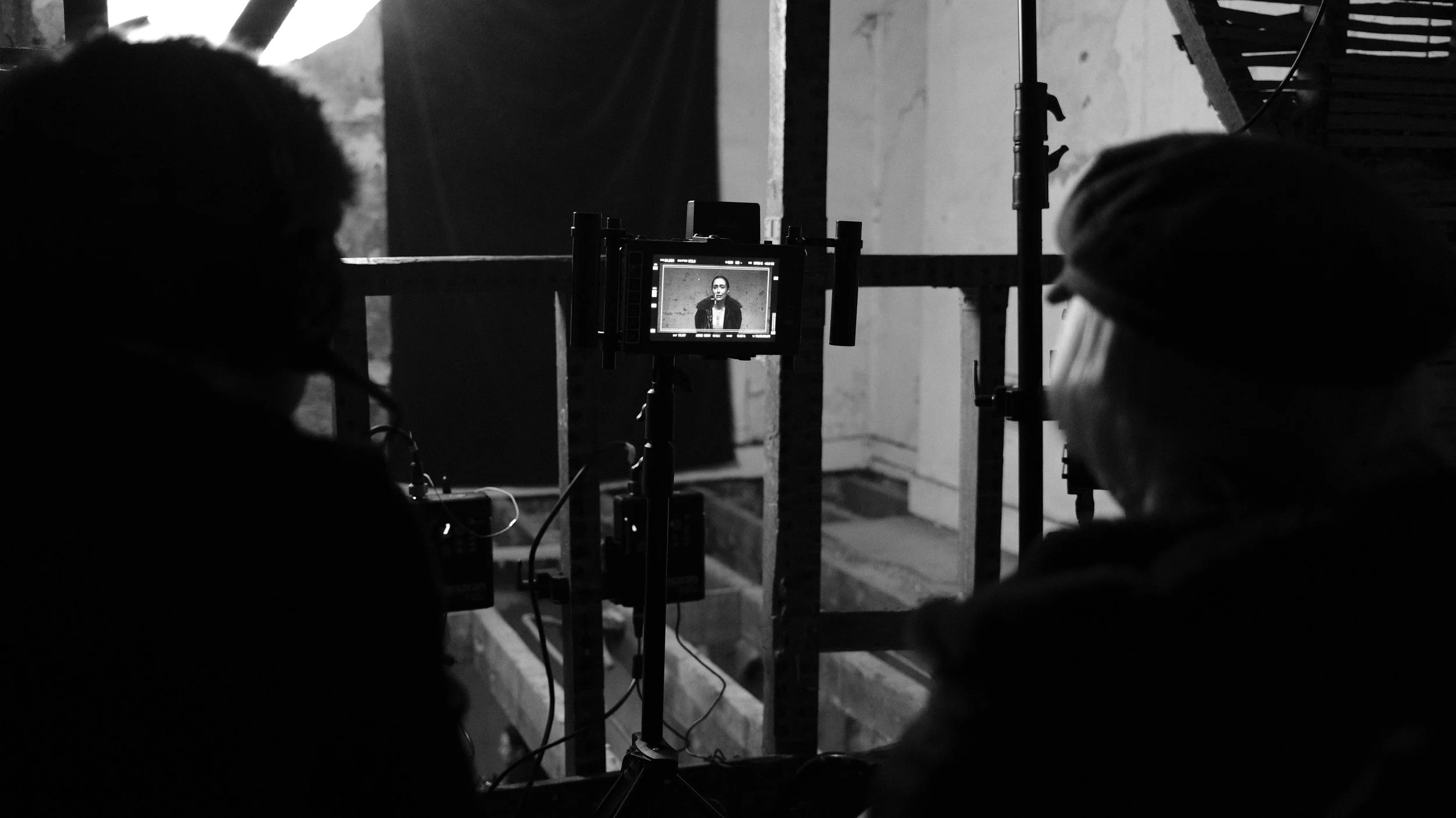
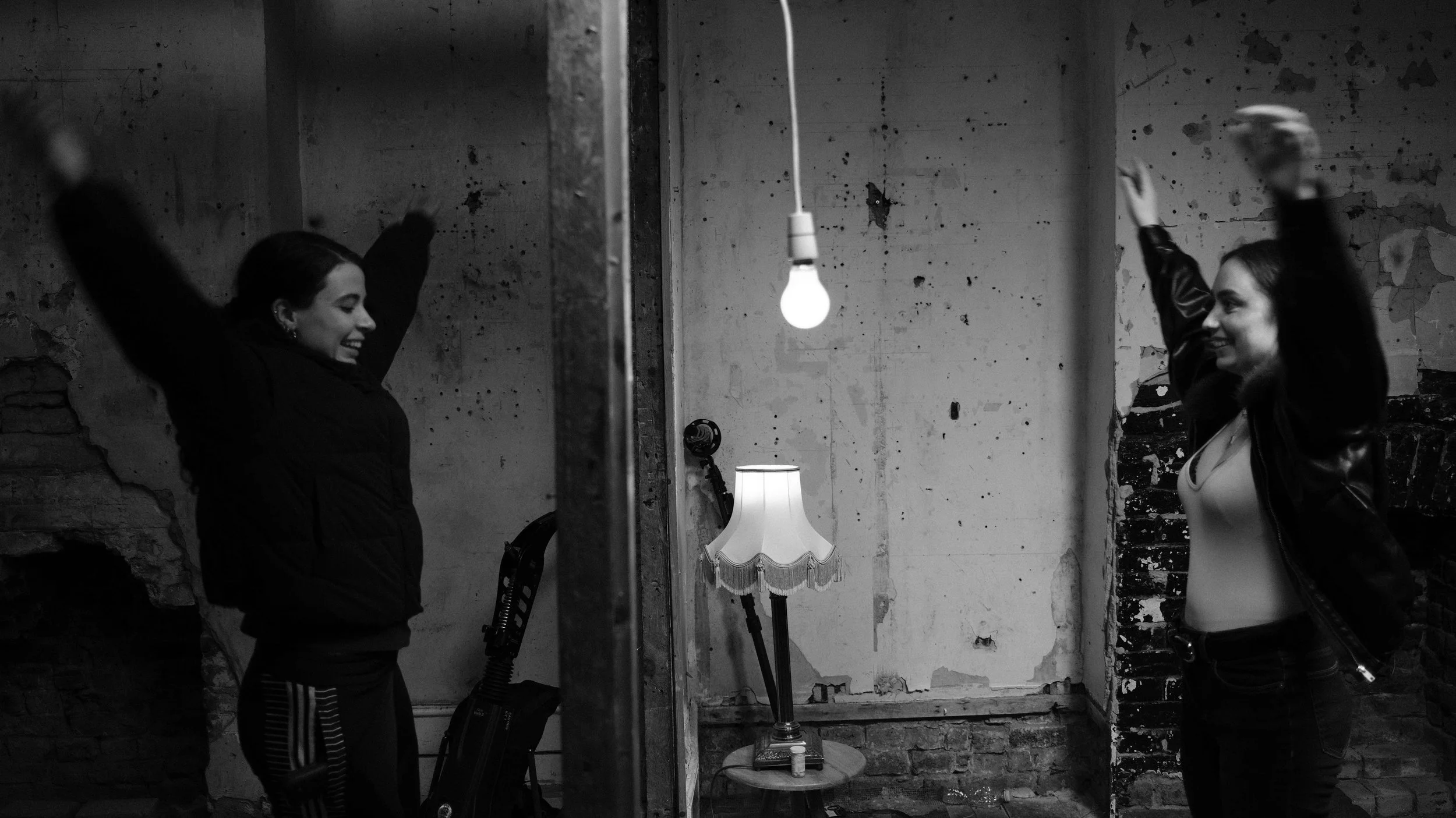
Where do I begin? A single continuous 10-minute shot was the biggest challenge, both creatively and logistically.Creatively, it meant writing a script that worked as a compelling story while being achievable in one take, with precise attention to pacing, movement, and flow.Logistically, everything had to be meticulously planned. Most of the day was spent rehearsing and coordinating timing, camera movement, and working with the MUA and SFX team to ensure the final take was seamless. We only had four takes due to turnaround time, which added extra pressure.How did the sound and the visuals marry together to create the mood of the film?
We kept the sound design quite simple, choosing not to score the film throughout. Instead, we used a powerful custom-written outro song that comes in as the film reaches its climax. We wanted the audience to really feel the intensity of the acting and the single take-to be held in the moment, with the camera driving the story.